


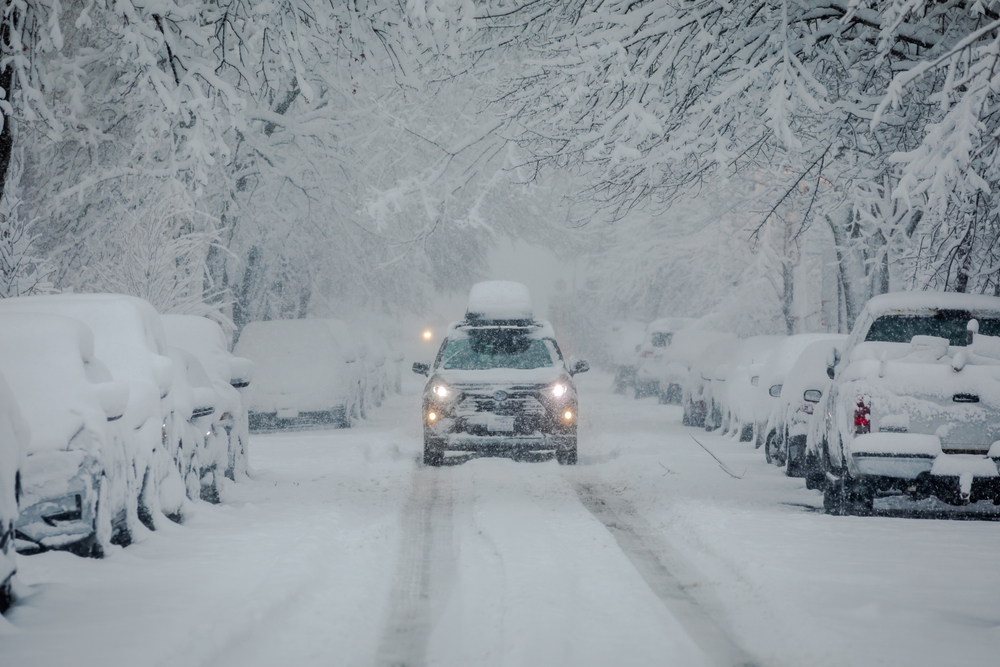
A massive winter storm has brought parts of Ohio to a complete standstill, triggering the first Level 3 snow emergency declarations in decades across 27 counties. The historic weather event, known as Storm Fern, has dumped up to 13 inches of snow across the region, forcing officials to issue stern warnings that residents could face arrest if they venture onto roadways.
The severity of the situation became clear as Franklin County and surrounding areas reported more than nine inches of accumulation, with forecasters predicting totals between six and 13 inches before conditions improve. The Erie County Sheriff’s Office characterized the conditions as extremely hazardous, implementing emergency protocols not seen in recent memory.
Ohio Roads Transformed into Danger Zones
Under Level 3 emergency protocols, all roadways are closed to non-essential activity. The restrictions carry serious legal consequences for those who ignore the warnings.
Officials made clear that operating vehicles on roadways for non-emergency reasons could result in arrest. The language leaves little room for interpretation: residents should remain home unless facing a life-threatening situation requiring immediate action.
Images from across affected counties paint a picture of chaos. In Franklin County, an abandoned commercial truck sits stranded on snow-covered pavement, its driver apparently forced to leave the vehicle behind. The scene repeats across the region as highways and local roads become impassable.
Deadly Storm Claims Lives Across Multiple States
The winter system responsible for Ohio’s crisis has proven fatal elsewhere. Fourteen deaths have been linked to the storm across six states, including New York, Tennessee, Louisiana, Massachusetts, Kansas and Texas. The diverse geographic spread of casualties underscores the unusual reach and intensity of this weather pattern.
Yet some residents have chosen to embrace the snow rather than fear it. In Granville, located in Licking County, video footage captured the lighter side of the emergency as huskies pulled a person on a sleigh through pristine snow. The moment of levity stands in stark contrast to the serious warnings issued by authorities.
Arctic Blast Compounds Dangerous Conditions
The snow represents only one component of the threat facing Ohio residents. An Extreme Cold Warning covers large portions of Ohio and northwest Pennsylvania, remaining in effect from Monday evening through Tuesday morning.
Wind chills are forecast to plummet to minus 26 degrees Fahrenheit, or minus 32 degrees Celsius. At these temperatures, exposed skin faces frostbite risk within just 30 minutes. Health officials stress that anyone venturing outside must dress in multiple layers, including hats, face masks and insulated gloves.
The Arctic air mass responsible for these brutal temperatures shows no signs of rapid departure. Forecasters expect the system to linger throughout the week, maintaining dangerous wind chills well below zero even as snow accumulation tapers off.
Emergency Levels Explained for Affected Counties
Ohio’s emergency system uses a three-tier classification to communicate road conditions and restrictions. Level 1 represents hazardous conditions requiring extra caution. Level 2 urges residents to stay home unless absolutely necessary. Level 3, the most severe classification, effectively closes roads to all but emergency personnel.
As of Monday morning, four counties remain under Level 2 warnings: Clark, Knox, Noble and Richland counties. Residents in these areas face strong advisories to remain home but do not face the arrest threat present in Level 3 zones.
The 27 counties under Level 3 declarations represent a massive swath of central and southeastern Ohio. The list includes Athens, Champaign, Coshocton, Crawford, Delaware, Fairfield, Fayette, Franklin, Guernsey, Hardin, Hocking, Jackson, Licking, Logan, Madison, Marion, Morgan, Morrow, Muskingum, Perry, Pickaway, Pike, Ross, Scioto, Union and Vinton counties.
Franklin County, home to the state capital Columbus, faces particular challenges as the urban center attempts to maintain emergency services while roads remain treacherous. The combination of heavy snow, dangerous cold and unprecedented emergency declarations has created a scenario officials describe as once-in-a-generation.
Looking Ahead as Storm System Moves East
Weather models suggest the worst of the snowfall has passed for most affected areas, though cleanup and recovery efforts will take days. Road crews face the dual challenge of clearing massive snow accumulations while working in life-threatening cold conditions.
The National Weather Service continues monitoring the situation, with particular attention to wind chill values and their potential impact on vulnerable populations. Shelters across affected counties have opened their doors to those without adequate heat, while utility companies work to restore power to scattered outages.
For Ohio residents, the storm serves as a stark reminder of nature’s power and the importance of heeding official warnings. As temperatures remain dangerously low and roads slowly return to passable condition, the focus shifts from weathering the storm to recovering from its impact.
Source: Unilad
