


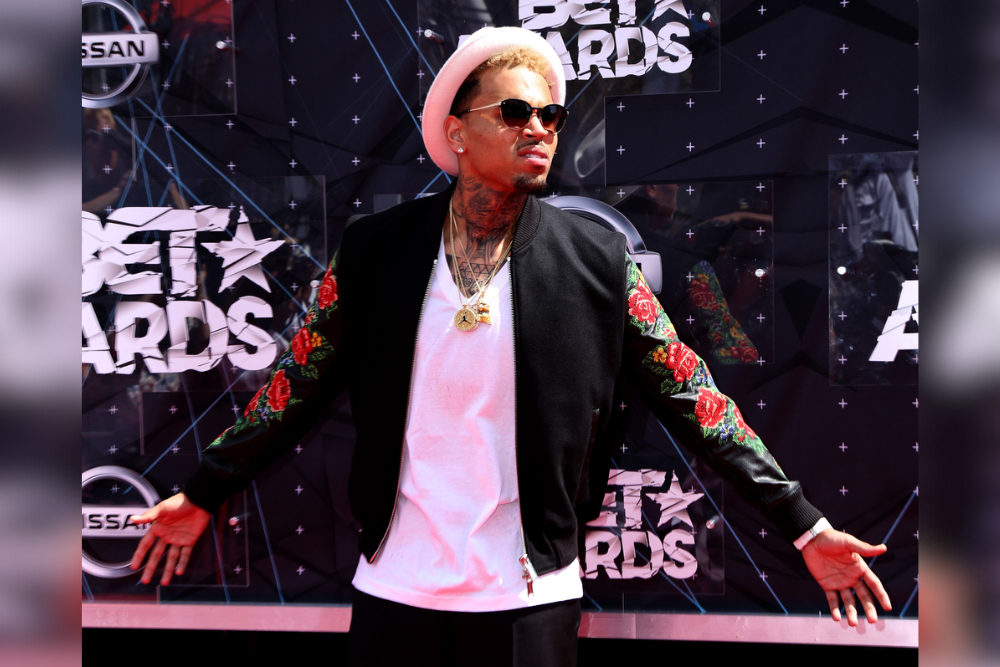
Twenty years into a career that has survived more setbacks than most artists face in a lifetime, Chris Brown just did something nobody in the history of Black American music has ever done. The Breezy Bowl XX, his twelfth concert tour and a full-scale celebration of two decades in the industry, has officially grossed $295.5 million from 1.983 million tickets sold across just 49 shows — making it the highest-grossing tour ever by a solo Black American male artist, as confirmed by Billboard Boxscore data released earlier this month.
The milestone places Brown in territory previously reserved for legacy rock acts and global pop superstars whose touring empires have been built over multiple decades. For a 36-year-old R&B and pop artist who debuted in 2005 with a self-titled album and a Billboard Hot 100 number one in Run It!, the achievement is as much a statement about longevity as it is about raw commercial power.
The Numbers Behind the Record
The scale of the Breezy Bowl XX is worth sitting with for a moment. Brown averaged approximately 40,469 attendees per show and $6.03 million per night across the tour’s 49 dates — figures that place every individual night of the run firmly in stadium territory. Of the total $295.5 million gross, the European leg accounted for $47.8 million from 490,000 tickets across shows in Amsterdam, Hamburg, Manchester, London, and Paris. The North American leg, which ran from July 30 in Miami through October 16 in New Orleans, generated the remaining $247.8 million from 1.5 million tickets — a domestic performance that speaks directly to the depth of Brown‘s fanbase in the United States and Canada.
For context, selling nearly 2 million tickets across fewer than 50 shows requires not only massive demand but precise routing and venue selection. The Breezy Bowl XX was built around stadiums rather than arenas, a strategic decision that allowed Brown to maximize capacity at each stop while delivering a production ambitious enough to fill those spaces night after night.
A Show Built for the Biggest Stages
The Breezy Bowl XX was not simply a greatest hits tour — it was a full theatrical production structured around four thematic acts titled the Rise, the Fall, Fantasy, and Legacy. Each segment reflected a different phase of Brown’s career, complete with costume changes tailored to each act’s specific visual identity. The Rise opened with Run It! and continued through the early era of Brown’s career with high-energy choreography that immediately reminded audiences why he built his reputation as one of the most dynamic live performers of his generation.
The Fall featured a video montage that addressed significant personal and professional challenges Brown has faced over the years — a moment of rare vulnerability on a stadium stage. The production also featured aerial stunts, with Brown swinging over the crowd while continuing to perform. Special guests Summer Walker and Bryson Tiller joined the North American dates, adding additional star power to a show that critics across multiple cities called one of the most impressive live productions of the entire concert season.
What This Record Means for Black Music
The cultural weight of what Brown accomplished with the Breezy Bowl XX extends well beyond ticket sales and gross revenue. Touring data has become one of the most reliable measures of an artist’s true commercial standing in the modern music industry — more so than streaming numbers, which are subject to playlist manipulation and passive listening. Selling nearly 2 million tickets at stadium prices reflects genuine, active demand from a global audience willing to spend significant money to be in the same room as one artist.
For Black American male artists specifically, the record carries particular significance. Brown is now positioned alongside artists like Michael Jackson, Prince, and Lionel Richie in the broader conversation about the most commercially dominant live performers in the history of Black music. The Breezy Bowl XX did not just celebrate two decades of Brown’s career — it redefined what is commercially possible for a solo Black male artist on a world stage, and those numbers are not going anywhere.
