


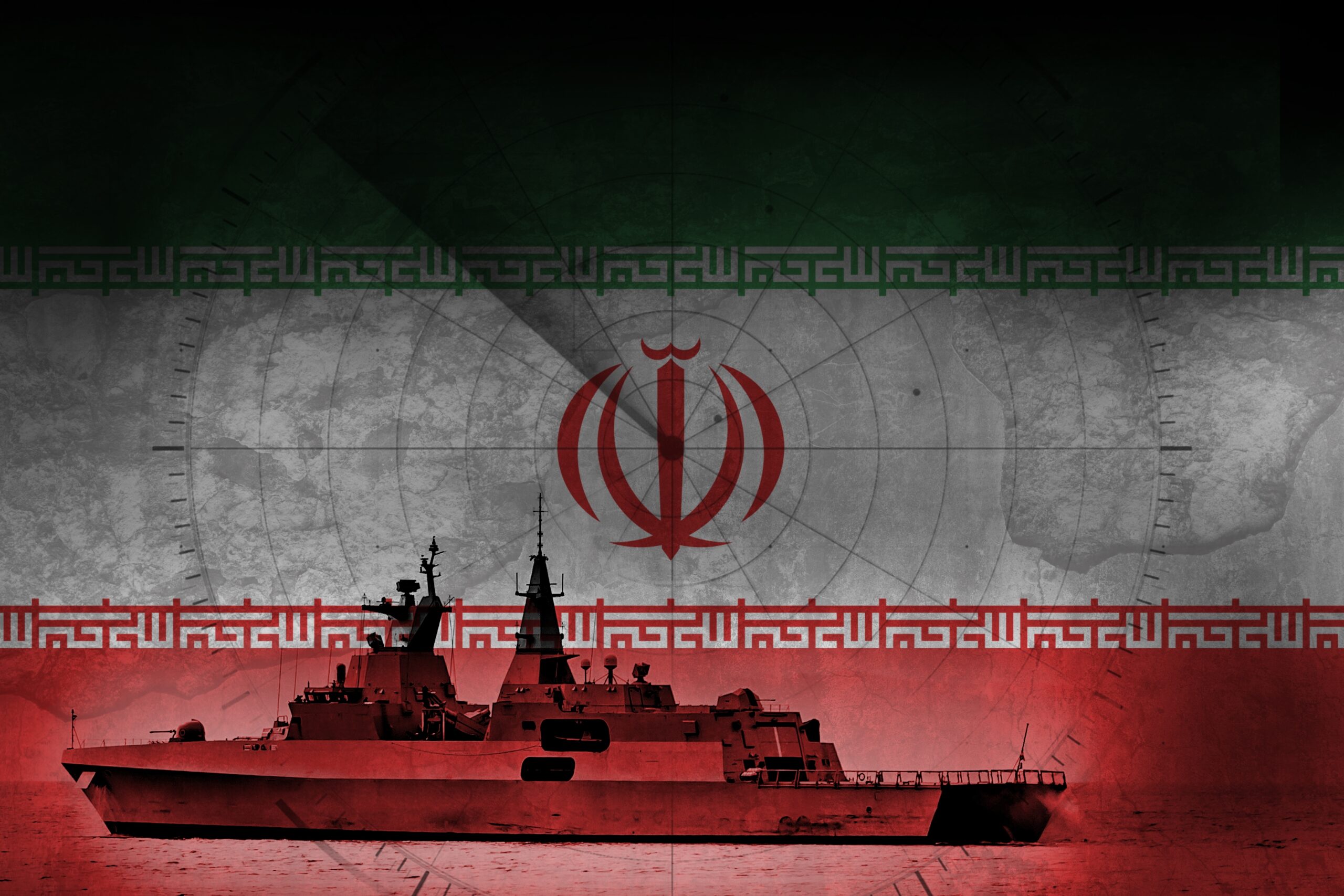
Weeks before an Iranian frigate was torpedoed and sunk near Sri Lanka, it had been sailing proudly through Indian waters as an honored participant in one of the region’s most prominent naval gatherings. India’s navy and defense ministry confirmed that the vessel had taken part in the International Fleet Review and a multilateral naval exercise organized by the Indian navy at the port of Visakhapatnam in mid to late February, an event that drew participation from 74 countries.
Images from the exercise showed the ship at sea and its crew posing on deck beneath the Iranian flag. From those celebratory waters, the frigate set course for home through the Indian Ocean, only to be struck by a torpedo fired from a U.S. submarine in international waters off the coast of Sri Lanka. The attack killed most of those on board.
A deadly strike far from the battlefield
Sri Lanka’s navy recovered 87 bodies and rescued 32 sailors from the wreckage after responding to a distress signal. By the time rescue crews arrived at the coordinates, the ship had already gone under. Only patches of oil and sailors adrift in open water marked where it had been. The survivors were transported to a hospital in Galle on Sri Lanka’s southern coast.
The sinking was a rare event in modern naval warfare, representing one of the very few instances of a submarine torpedoing a surface vessel since the Second World War. Video footage released by the U.S. Department of Defense captured the moment of the strike, showing the ship breaking apart as an underwater explosion sent a massive column of water into the air.
Washington described the vessel as a significant military target and framed the strike as part of its broader campaign against Iran’s naval forces, one of the stated objectives of the ongoing U.S.-Israeli military operation. The conflict, which escalated sharply in late February, has since drawn in more than a dozen nations and extended its reach well beyond the traditional boundaries of the Middle East.
India caught in the middle
The revelation that the ship had been a formal guest of India’s navy just days before its destruction placed New Delhi in a deeply uncomfortable position. India has long maintained a careful diplomatic balance between Washington and Tehran, and the Indian Ocean sits at the very center of the country’s strategic identity. Its navy conducts regular patrols and multinational exercises throughout the region to protect critical sea lanes used for trade and energy.
The government had not issued any public statement about the sinking as of Thursday, a silence that drew sharp criticism from opposition figures. The Indian National Congress party called the lack of response unacceptable, with a senior opposition leader arguing that a warship going down in India’s maritime neighborhood, one that had been in Indian waters just weeks before, demanded a formal response from the prime minister.
A former Indian foreign secretary weighed in as well, writing that while India bore no political or military responsibility for the attack, it carried a moral obligation to acknowledge the situation. The ship, he noted, had been in those waters because India extended the invitation.
A second warship and a diplomatic solution
The situation grew more complex Thursday when Sri Lankan officials revealed that a second Iranian warship had entered the country’s exclusive economic zone. Sri Lanka’s government said it was working to prevent further loss of life and protect stability in the region.
By Thursday evening, Sri Lanka’s president announced that 208 sailors from the second vessel, which had reportedly suffered engine failure, were being transferred to Colombo. The warship itself was to be escorted to a port on Sri Lanka’s eastern coast under an agreement reached with Iranian officials and the ship’s captain.
The episode has thrown into sharp relief just how far the conflict has traveled from its origins, and how deeply it is now reshaping the security calculations of nations that never intended to be part of it.
