


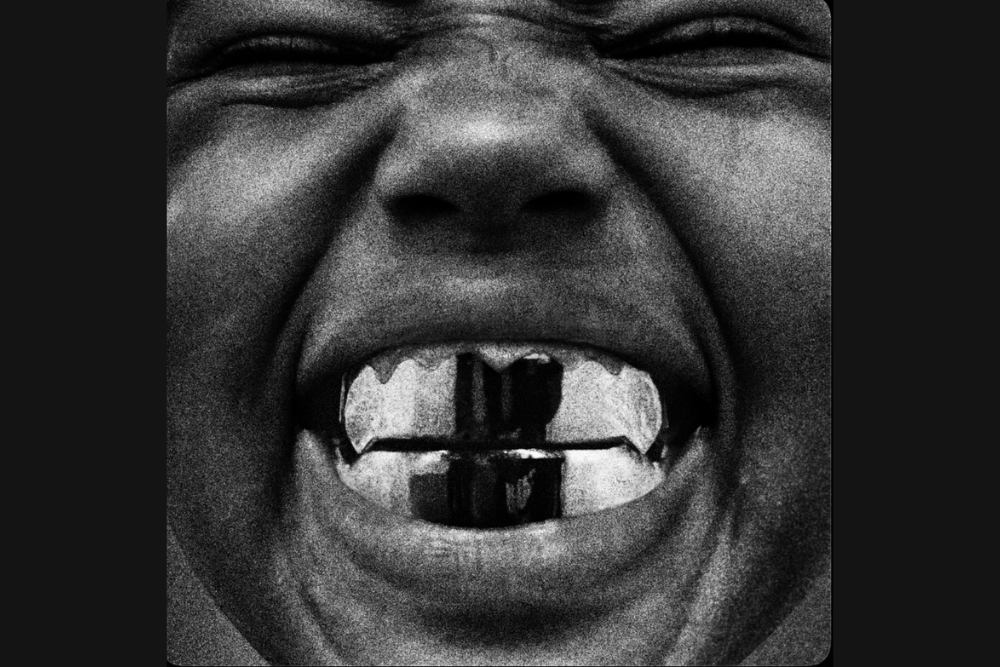
Few artists in modern music can generate the kind of anticipation — and division — that Kanye West still manages to produce without even trying. Bully, his 12th studio album, officially dropped on March 28, 2026, and within hours, the internet had already split into camps. Stans called it a triumphant return. Critics called it promising but unfinished. And somewhere in between lies the complicated truth of where Ye stands in 2026.
The album had been a long time coming. West first announced Bully in September 2024, and it was delayed eight times before finally arriving. He premiered the album at a Los Angeles listening event on March 27, 2026, before releasing it to streaming services shortly after. Even then, it arrived in two forms — a physical edition and a streaming version with a different tracklist — classic Ye chaos, right to the finish line.
What Is Bully Actually About
The album exists against heavy personal context. West published a full-page apology in the Wall Street Journal in early 2026, naming a bipolar disorder diagnosis stemming from a 2002 car accident and crediting his wife and inpatient treatment in Switzerland for his recovery. Listeners expected that weight to show up in the music. For many, it did not — at least not on the surface.
West also publicly declared the album was made with no AI, a direct reversal of comments he made in a 2025 interview where he described AI as part of his creative process. Fans who purchased the physical version were not convinced — early vinyl copies shipped with AI-generated vocals still present on certain tracks despite assurances from his team that they had been removed.
The Production Wins, the Lyrics Divide
Where most reviewers agree is on the production. Bully sounds, at times, like a man reconnecting with what made him great. The album features standout samples from artists including the Supremes, Asha Bhosle, and Stevie Wonder, with guests including Travis Scott, CeeLo Green, Don Toliver, and Peso Pluma.
Critics pointed to several tracks as highlights
- Preacher Man — widely praised as the album’s best moment, built on a gospel-infused sample
- King — the opener, described by Rolling Stone as sounding like Yeezus with smoother edges
- Sisters and Brothers — a gospel-driven standout with layered soul sampling
- Punch Drunk — praised for its sped-up soul flip and raw energy
- I Can’t Wait — built around the Supremes’ classic, carrying strong nostalgic pull
But lyrically, the album left critics wanting. Reviewers said the album is plagued by lethargic vocals, drab choruses, and broad lyricism that lacks the heart seen in Ye’s most celebrated work. The beats often lack variety, making Bully feel more like a loose collection of thoughts than a cohesive statement.
Mixed But Cautiously Hopeful
The critical consensus lands somewhere between relief and frustration. Hot Press praised it as Ye’s first good album in ten years, crediting its reflective tone as a return to the old Kanye. Slant Magazine wrote that while Bully is a small step up from his recent output, it still lacks the confidence and craftsmanship that once defined his discography.
For casual fans, Bully is an easier sell than anything Ye has released since The Life of Pablo. For longtime listeners who remember Graduation and My Beautiful Dark Twisted Fantasy, it is a reminder of both what he was and how far that peak now feels.
West is set to tour in support of Bully from April through August 2026, including a high-profile Los Angeles show on April 3 and a newly announced three-night headline run at London’s Wireless Festival in July — his first UK performances in a decade.
The game is not over for Ye. But Bully makes clear that the comeback, if it is coming, is still a work in progress.
