


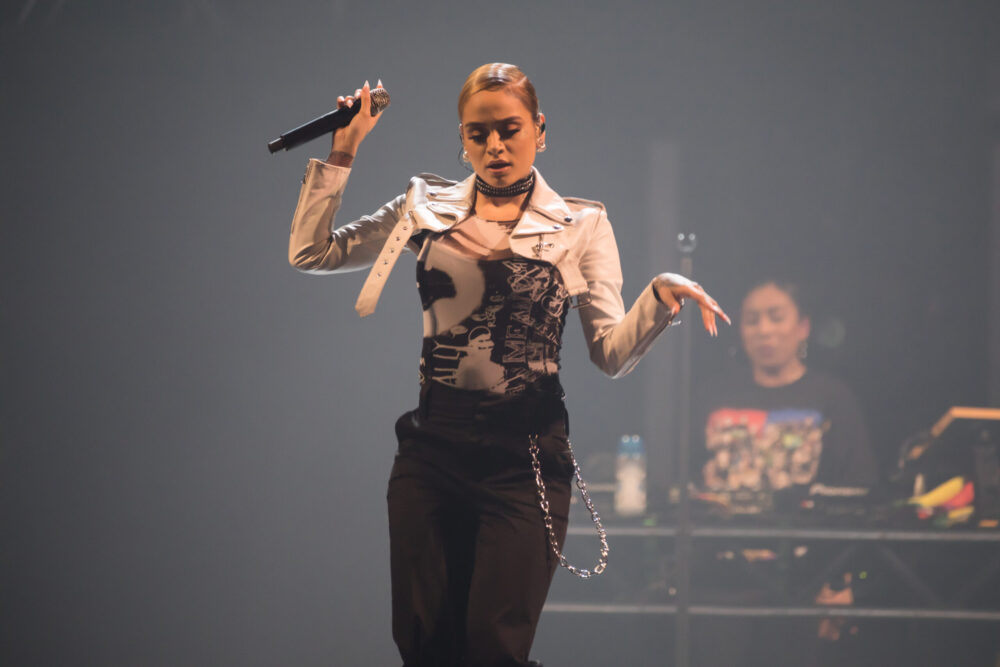
Kehlani’s self-titled album, released April 24, did not begin with creative momentum. It began with something considerably more difficult. In a recent interview, the singer described how the early stages of recording sent her into an unexpected and emotionally demanding period of self-reflection that she had not planned for and could not easily explain.
At the start of what became a two-year recording process, Kehlani found herself isolated in a studio, working through unresolved feelings that had been sitting dormant since 2020. Rather than building the album she had imagined, she spent that initial stretch creating music that was darker and more emotionally raw than anything she had mapped out going in. The material from that period did not make the final album, but it served a purpose. Getting it out allowed her to clear the space she needed to make the record she actually intended to make.
When everything shifted
Once that emotional phase had run its course, the direction of the project changed noticeably. Returning to Los Angeles, Kehlani described a moment of clarity where she felt certain something was happening creatively in a way that had not been present before. That shift produced Folded, the track that went on to become a top ten hit and a Grammy-winning song, and it confirmed for her that the difficult early period had been necessary rather than wasted time.
The self-titled album represents a deliberate statement of artistic identity, shaped as much by what she processed privately as by the music that ultimately ended up on the record. For Kehlani, the two years of work were not linear. They were interrupted, emotionally complicated and ultimately more revealing than she anticipated.
The mentor who changed her trajectory early on
The interview also moved into Kehlani’s early career, and she spoke at length about the role Nick Cannon played in giving her a genuine foundation at a time when she had very little. Cannon had first seen her perform as part of the band Poplyfe during his time as host of America’s Got Talent. What followed was an offer that Kehlani described as genuinely life-altering.
Cannon invited her to Los Angeles, offered her studio time and provided a fully furnished apartment so she could focus entirely on making music. For someone who had not previously had that kind of dedicated creative space or financial support, the gesture was transformative. It directly contributed to the conditions that made her debut mixtape Cloud 19 possible.
A pattern of quiet generosity
What Kehlani shared about Cannon extended beyond her own experience. She noted that other artists have come to her privately over the years with similar stories, describing moments when Cannon stepped in to offer support during a vulnerable point in their careers. The pattern, she suggested, is more common than the public knows. Cannon has not made a public figure of his generosity, and the artists he has helped have largely kept those experiences to themselves until they felt moved to share them.
For Kehlani, the experience sits at the foundation of a career that has grown substantially since those early days in Los Angeles. The self-titled album, arriving more than a decade after that first studio session, reflects how far that foundation has carried her.
