


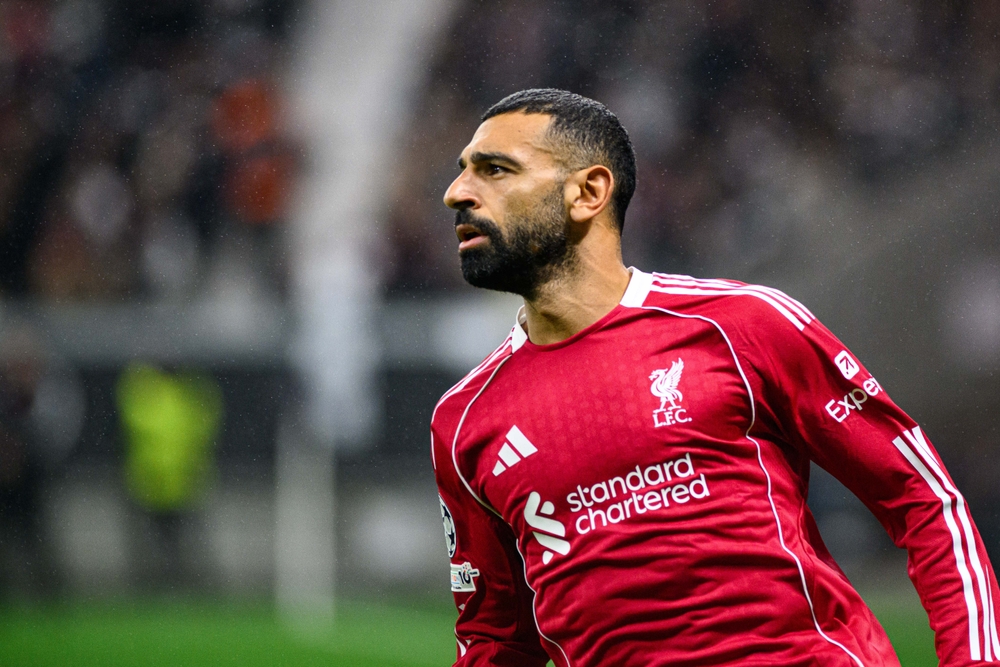
Egypt claimed their first ever victory at a FIFA World Cup on Wednesday, coming from behind to defeat New Zealand 3-1 in a result that will be remembered in Egyptian football history for generations. Mohamed Salah contributed a goal and an assist in the second half, helping his country overturn a halftime deficit to reach the top of their group and move within reach of the knockout stage for the first time in the nation’s World Cup history.
The result caps a remarkable opening stretch for Egypt at the 2026 tournament. Having drawn with Belgium in their first group stage match, they now sit at the top of Group G and know that a draw against Iran in their final match will be enough to secure first place. Even a defeat would most likely leave them among the best third-placed teams across the expanded 48-team format, making their passage to the round of 32 almost certain.
A historic result that carried personal meaning
For Salah, the occasion carried significance that went beyond the tactical or the statistical. Egypt have only qualified for the World Cup twice in the past four decades, and Salah has been present for both appearances, scoring in each tournament. The weight of that rarity was visible in how he spoke about the result after the final whistle, describing it as history for Egyptians in a way that might not register fully for countries with longer World Cup traditions but means everything to those who have waited this long.
He spoke of the responsibility he feels to deliver moments of joy for Egyptian supporters, framing the team’s entire campaign in terms of what it gives back to the people watching at home. The win against New Zealand, delivered from a position of adversity after falling behind in the first half, was exactly the kind of result that transforms a tournament from participation into genuine possibility.
How the comeback unfolded
Egypt went into halftime trailing and needing a significant second-half response. What they produced was precisely that, turning the match with goals that shifted the momentum completely and allowing Salah to impose himself on the game in the way that has defined his career at club level. His goal gave Egypt the lead and his assist extended it, with the team ultimately putting the result beyond doubt before full time.
The performance was not without imperfection, and Salah acknowledged that his team had benefited from some fortune as well as ability over the course of the 90 minutes. That kind of honest assessment from a captain following a historic win reflects the maturity of a player who understands the difference between a performance and a result, and who knows the level required to go deeper into the tournament will need to be higher than what was shown on Wednesday.
What comes next for Egypt
The final group stage match against Iran presents Egypt with a clear and achievable target. First place in the group is within reach, and the players appear to understand the opportunity in front of them. Salah’s framing before and after the New Zealand match has been consistent, emphasizing effort, commitment, and the desire to give the Egyptian public something to celebrate.
Whether Egypt can sustain that standard into the knockout rounds against teams with considerably more World Cup pedigree is the question the next phase of the tournament will answer. For now, a nation that has waited 30 years between World Cup appearances and had never won a match at the tournament has something it has never had before. A victory, a top-of-group standing, and the very real prospect of more history to come.
