



The island nation’s jet fuel crisis is grounding airlines and stranding travelers
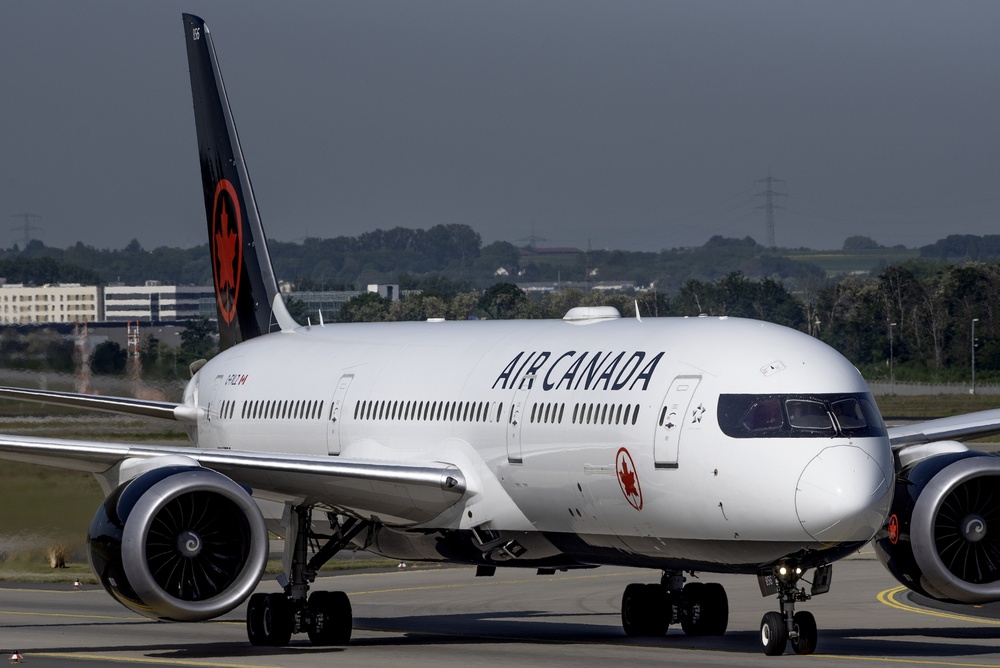
Air Canada’s sudden announcement sent shockwaves through Caribbean travel plans on Monday when the airline announced it’s pulling the plug on flights to Cuba at least temporarily. The reason? The island’s running dangerously low on jet fuel, and it’s not coming back anytime soon. The Cuban government has essentially hit the emergency brake on fuel supply, forcing airlines to make some tough calls about whether staying in the game is even worth it.
Here’s where it gets messier: The Notice to Air Missions (NOTAM) that dropped late Sunday painted a grim picture. Aviation fuel won’t be available at Cuban airports starting Tuesday, and that shortage could drag on through March 11. That’s a full month of potential chaos for travelers, families trying to visit loved ones, and airlines scrambling to keep operations afloat.
The timing is particularly brutal
Because just 48 hours earlier, Cuban officials said air travel wouldn’t be affected by the fuel rationing plan they announced on Friday. Spoiler alert: They were wrong. The Cuban Aviation Corporation released a statement Monday morning about maintaining airspace safety and “reliability,” but they conveniently left out any mention of the fuel emergency or canceled flights. Kind of like saying everything’s fine while your house is literally on fire.
The United States has been squeezing Cuba’s oil supply as part of its broader sanctions strategy, which explains why the island keeps running into these fuel nightmares. When you’re cut off from most global energy markets, fuel becomes less like a utility and more like a luxury item except everyone needs it to survive.
Air Canada’s rescue operation
Is getting creative, though. The Montreal-based carrier announced it will send empty planes to pick up roughly 3,000 stranded customers and fly them home over the coming days. They’re also bringing in extra fuel by airplane literally tanking in jet fuel to make sure they can make it back to Canada. If needed, they’ll make refueling stops on the return journey in other countries. It’s like showing up to a party without snacks, so you bring your own.
Other airlines are following a familiar playbook that’s developed over years of Cuba fuel crises. Air Europa, for instance, is making refueling stops in Santo Domingo in the Dominican Republic for its Madrid-Havana-Madrid route starting Tuesday. This isn’t their first rodeo. Airlines have learned to refuel in third countries like Panama, the Bahamas, the Dominican Republic, and even the U.S. when Havana’s supply dries up.
The human cost is real
though. Travelers and their families are understandably freaking out. One Cuban traveler, Benigno Gonzalez, who was dropping off his daughter at Havana’s José Martí International Airport on Monday morning, captured the frustration perfectly. He expressed concern that the unpredictability of these situations affects everyone who needs to travel whether it’s for family visits, business, or emergencies. When your ability to leave the island becomes a guessing game, it adds serious stress to already complicated travel plans.
What’s wild is that despite all this drama, things actually looked relatively normal at José Martí International Airport on Monday. A COPA airlines flight to Panama departed on schedule, and several American Airlines flights were expected to land throughout the day, according to airport officials. The eye of the hurricane was calm, but everyone knew the real turbulence was coming.
Fuel shortages in Cuba aren’t breaking news
they’re basically a chronic condition. The island has struggled with energy supply issues for years, which is why savvy airlines already have contingency plans gathering dust in their filing cabinets. But each crisis still disrupts thousands of lives and creates uncertainty for anyone trying to get in or out of Cuba.
The real question now is whether this shortage will last the full month or whether Cuban authorities will find some way to resupply before March 11. Either way, travelers should expect bumpy rides ahead both literally and figuratively.
