


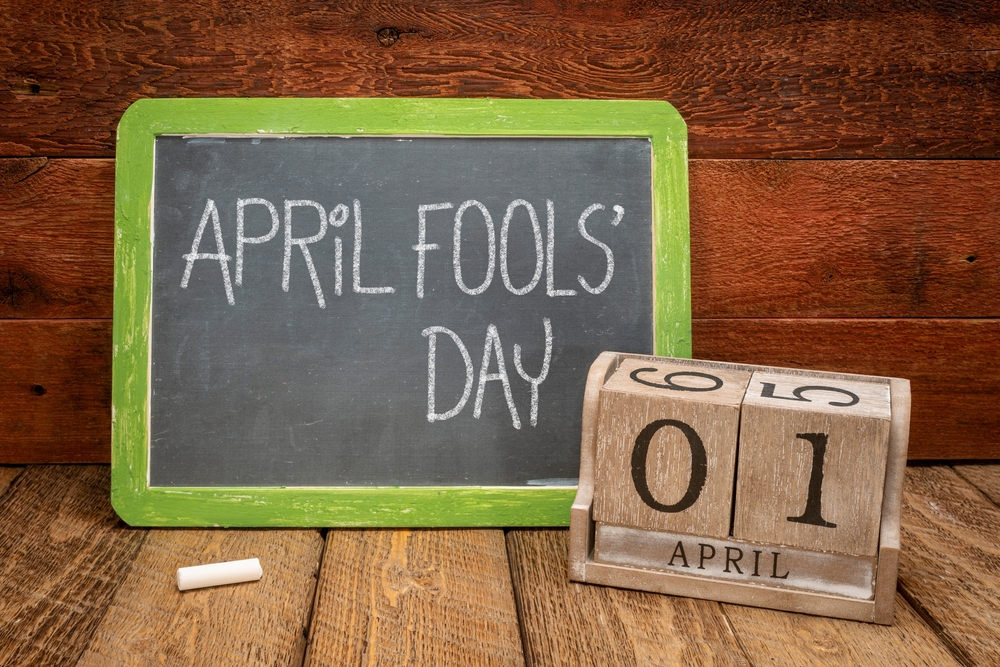
Every April 1, the internet erupts. Brands drop fake announcements, coworkers swap salt for sugar, and social media feeds become completely unreliable for exactly 24 hours. April Fools Day is one of the most universally recognized unofficial holidays on the planet — and yet, for all its familiarity, its true origin remains one of history’s most entertaining unsolved mysteries.
The Holiday Nobody Can Fully Explain
Though April Fools Day has existed in some form since at least the 1500s, historians have never pinned down a definitive date or place of origin. Competing theories point to medieval England, early modern France, and even ancient Rome. What makes the holiday fascinating is that no single culture owns it — nearly every civilization has some version of a spring trickster tradition baked into its calendar.
The most widely circulated theory connects April Fools Day to a calendar shift in France. In 1564, French King Charles IX issued the Edict of Roussillon, declaring that the new year would officially begin on January 1. Before that change, many regions celebrated the new year closer to the end of March or early April.
Those who were slow to adopt the new calendar — or simply had not heard the news — continued celebrating the new year in spring, and were mocked by those who had already made the switch. Gift-giving and well-wishing were redirected toward these confused souls as a joke, and a tradition was quietly born.
From Paper Fish to Viral Pranks
France took the holiday and ran with it in a very specific direction. The French tradition known as Poisson d’Avril — April Fish — involves attempting to tape a paper fish to someone’s back without them noticing, then shouting the phrase once the victim discovers it. The fish symbolizes a young, easily caught creature — a stand-in for gullibility. This tradition is still practiced in France today, particularly among children.
Across the Channel, Britain had its own early documentation. In 1686, writer John Aubrey referred to the celebration as Fooles holy day, marking the first known British reference to the occasion. By 1698, Londoners were being tricked into visiting the Tower of London to watch a fictional lion-washing ceremony. The prank worked on multiple victims, which says something either about the era’s information gap or the enduring human willingness to believe a good story.
How Different Cultures Celebrate
April Fools Day looks different depending on where you are in the world
- In France and Italy, the paper fish prank remains a beloved tradition, especially among school-aged children
- In Scotland, the holiday historically lasted two days — the second day focused entirely on pranks aimed at the backside, giving rise to the kick-me sign gag
- In Iran, a spring festival called Sizdah Be-dar falls around the same time and involves spending time outdoors — though some have mistakenly linked it to April Fools traditions, the two are culturally distinct
- In Ireland, the classic move involved handing someone a sealed letter with urgent instructions, only for the recipient to open it and find the words send the fool further
- In the United States, the holiday has evolved into a full-scale brand sport, with corporations spending significant resources crafting elaborate fake announcements every year
Brands Turned April Fools Into a Cultural Event
Perhaps nowhere has April Fools Day evolved more dramatically than in American marketing. What began as a personal, interpersonal prank tradition has become a multi-platform brand competition. Companies now treat April 1 as an unofficial creative showcase — a once-a-year moment to be funny, weird, and human in front of millions of consumers.
April Fools Day 2026 saw brands lean heavily into the blurred line between what is fake and what is real— a reflection of just how strange the current information landscape has become. When reality itself feels increasingly unbelievable, the art of the April Fools prank requires a sharper edge to land.
The best brand pranks work because they feel just plausible enough. The worst ones announce themselves too loudly and die within minutes. Either way, the cultural appetite for the holiday has never been stronger.
Why April Fools Day Still Matters
At its core, April Fools Day has always been about power — specifically, the temporary suspension of it. For one day, the rules of social decorum loosen. The intern can prank the boss. The student can outwit the teacher. The small brand can make a bigger splash than the corporation three times its size. There is something deeply human about setting aside one collective day to embrace absurdity, test trust, and laugh at ourselves.
Whether rooted in ancient Rome, medieval England, or a confused French calendar, April Fools Day taps into something universal — the powerful draw of spring and the human desire to shake off the weight of winter with something light, mischievous, and shared.
Five hundred years later, that impulse has not changed one bit.
