


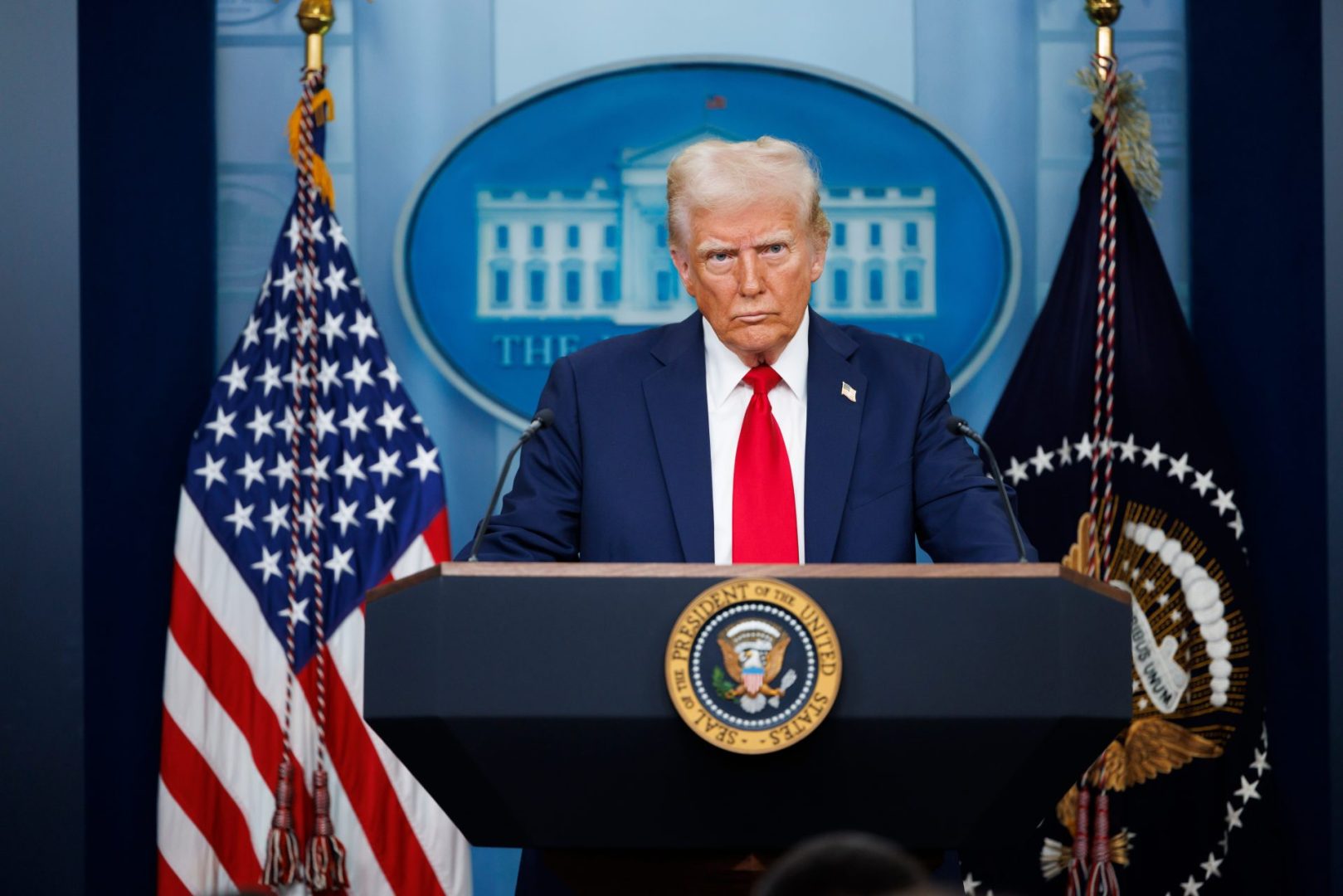
When President Donald Trump stood at the podium for his second inaugural address, he made a commitment that resonated with energy markets and Republican voters alike. He would refill the Strategic Petroleum Reserve to the top, restoring a national energy cushion that had been drained to a 40-year low under his predecessor.
That pledge shaped early drafts of what would become the Big Beautiful Bill Act, with initial proposals earmarking more than $1.3 billion for crude oil purchases to replenish the reserve. But by the time the legislation reached Trump’s desk, that figure had been slashed by more than 80%, trimmed down in search of savings as the overall price tag of the massive bill came under pressure. The final allocation landed at roughly $171 million for oil purchases plus an additional sum for maintenance, a fraction of what was originally envisioned.
At the same time, a series of congressionally mandated oil withdrawals continued pulling barrels out of the reserve even as efforts to rebuild it were underway. The result was a cushion that never had a real chance to recover.
The reserve today and where it stands
Government data puts the current level of the Strategic Petroleum Reserve at around 413 million barrels as of December. That figure stands in stark contrast to the more than 600 million barrels held during the early years of the Biden administration before Russia’s invasion of Ukraine set off an aggressive drawdown. The all-time high for the reserve, established in the years after the 1973 Arab oil embargo, was above 726 million barrels, reached in 2010.
Biden tapped the reserve heavily after the Ukraine invasion, and it bottomed out at roughly 347 million barrels in the summer of 2023. Levels have climbed back slowly since then, but the pace of replenishment during both the remainder of Biden’s term and the early months of Trump’s second term has been far too gradual to restore meaningful capacity.
Trump downplays the reserve option
With oil prices swinging wildly amid the Iran war, many analysts and opposition lawmakers have been calling on the White House to tap the reserve to help cool the market. Trump has so far pushed back against that idea, suggesting at a weekend briefing that the country has plenty of oil and hinting he might look at adding to the reserve rather than drawing it down. At a Monday press conference he reiterated his belief that prices would reverse quickly once the conflict wound down.
Energy Secretary Chris Wright has echoed that position, describing the current price spike as a short-term problem likely measured in weeks rather than months. Wright also raised a practical concern, noting that even a reserve release might not solve the core problem, which he characterized as a logistics challenge for refineries in Europe and Asia that are struggling to source crude due to the Hormuz closure rather than a straightforward supply shortage.
Analysts see real risk ahead
Not everyone shares that optimistic read. Energy analysts have warned that if the Strait of Hormuz remains effectively closed for several more months, prices could climb well beyond current levels, potentially reaching territory not seen in years. Global oil inventories were already sitting at a five-year low before the conflict began, and the ongoing disruption is accelerating the drawdown at an alarming pace.
G-7 finance ministers convened Monday to discuss a coordinated release of emergency reserves across member nations, but the talks ended without an agreement. France, which currently holds the G-7 presidency, indicated the group was not yet ready to move on a joint release but would continue monitoring the situation closely.
A political fight with no easy answers
The reserve’s current state is as much a product of partisan friction as policy failure. Republicans spent years criticizing Biden for depleting the reserve, accusing him of tapping it for political advantage ahead of elections rather than genuine emergencies. Yet when the opportunity arose to fund a serious replenishment effort through the Big Beautiful Bill Act, the ambition of the early drafts gave way to budget pressures and the final result was a modest allocation.
Democrats are now calling for the reserve to be used immediately, arguing the current crisis is precisely the kind of emergency it was designed for. The White House has not closed the door entirely but shows no urgency to act, leaving the country in an awkward position with a depleted buffer, rising prices and a war that shows no clear end in sight.
