


Six-time Super Bowl champion left out of 2026 class as Hall leadership considers major changes to selection process and committee structure
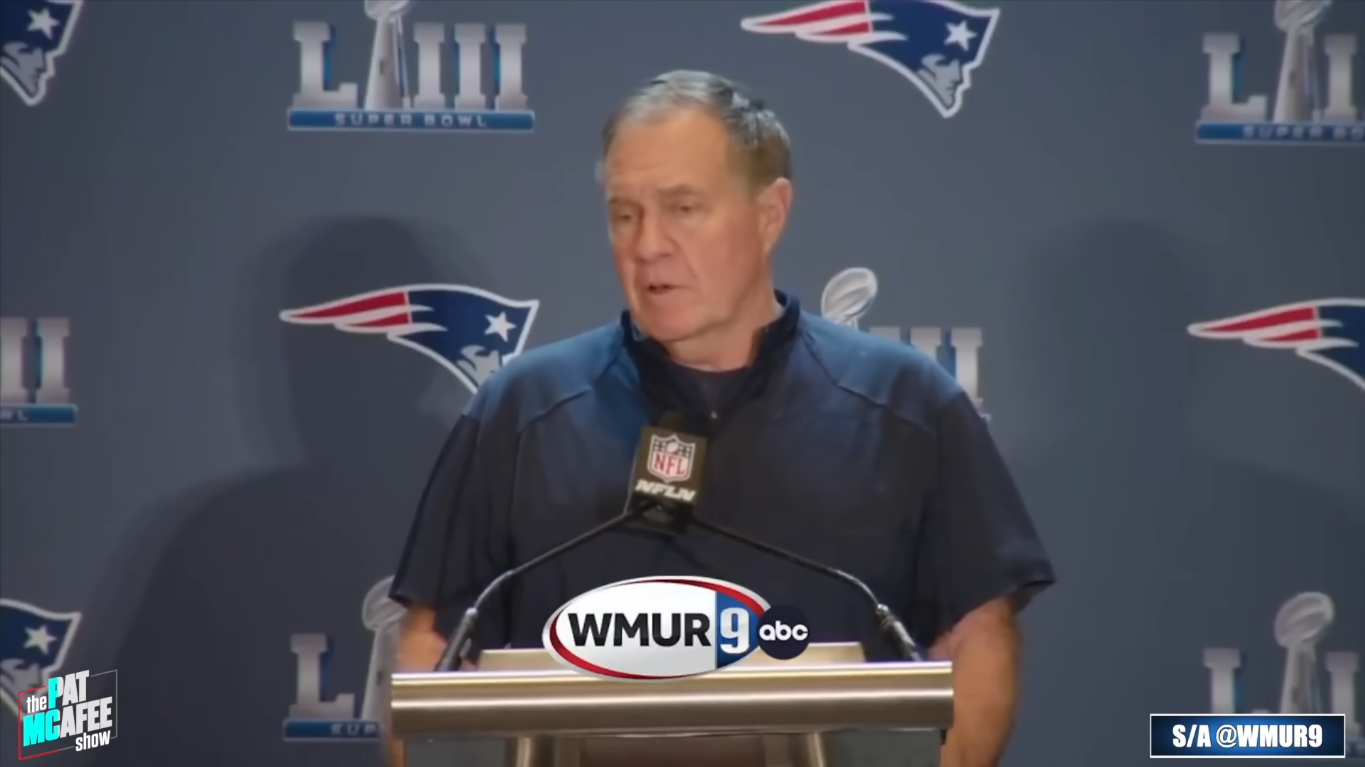
Here’s a Hall of Fame moment that didn’t happen Thursday night: Bill Belichick wasn’t announced as an inductee. The legendary coach who won a record six Super Bowls with the New England Patriots got passed over in 2026, generating immediate outrage and forcing the Pro Football Hall of Fame to seriously reconsider how it selects its newest members. Hall of Fame president Jim Porter acknowledged the firestorm following the five-player class announcement, hinting that substantial changes to the voting panel and selection process could be coming down the pipeline.
The problem? A recent rule change that grouped coaches and contributors with longtime retired players created a logjam that worked against Belichick’s candidacy. Instead of a straightforward up-or-down vote on individual candidates, voters had to choose three of five candidates in the combined Seniors/Coaches/Contributors category. This year, Patriots owner Robert Kraft found himself competing for votes alongside Belichick and three Seniors players: Ken Anderson, Roger Craig, and L.C. Greenwood. Only Roger Craig made it through, while Belichick left empty-handed despite his historically dominant resume.
The voting system that backfired
The voting mechanism that produced Belichick’s snub isn’t new, but it’s proven problematic. Instead of requiring an up-or-down evaluation of each candidate, the new process forces voters to select three from the group, with leading vote-getters and anyone clearing the 80% threshold advancing. This year marked the third consecutive year that no coach gained entry into the Hall of Fame a streak that’s raising serious questions about whether the current structure works.
Last year’s voting produced similarly disappointing results. Sterling Sharpe was the only Seniors player inducted, while coach Mike Holmgren failed to garner sufficient support despite his credentials. The pattern suggests that grouping coaches with players in limited-selection ballots puts coaching legends at a disadvantage when competing for restricted voting slots.
Porter didn’t seem eager to completely reverse the recent rule change that created this situation, noting that coaches and contributors had been grouped with players for more than 50 years before being separated about a decade ago. His response deflected somewhat from the obvious problem: if the system worked fine for five decades, what’s changed now? He seemed to be suggesting that the issue might be voter behavior rather than the structure itself.
Rule violations and voting integrity concerns
Porter indicated that the Hall plans to examine voters who may have violated protocol, including those who publicly discussed confidential debates about candidates or who didn’t vote for what they considered the “most deserving” candidates in each category. One voter, Vahe Gregorian of the Kansas City Star, actually wrote a column explaining why he chose Seniors players over Belichick acknowledging that he believed Belichick deserved induction but felt compelled by the possibility of the Seniors players never getting another chance.
Porter pushed back hard on that reasoning, emphasizing that voters can’t pick players based on whether they might not receive future opportunities. That’s simply not allowed, regardless of how sympathetic the reasoning might be. Instructions emphasizing picking the most deserving candidates were read four separate times before voting commenced a level of clarity that suggests voter understanding wasn’t the issue.
Plans to prevent future catastrophes
Looking forward, Porter outlined several potential modifications to the process. The Hall plans to return to in-person voting and discussion after moving to virtual meetings during the COVID-19 pandemic. The voting timeline will likely shift closer to the NFL Honors announcement to reduce leak possibilities, a change that makes sense given the early circulation of voting information this year.
The organization will also consider publishing vote totals and individual ballots in the future, though not for this year’s class. Additionally, the Hall may look at removing voters who violated the established rules or didn’t follow proper protocol.
Still, Porter resisted suggesting an overhaul. He emphasized protecting the Hall’s integrity and the process itself, framing potential changes as tweaks rather than revolutionary shifts. Whether those tweaks address Belichick-level snubs remains to be seen but this controversy has clearly put the selection system under unprecedented scrutiny.
