


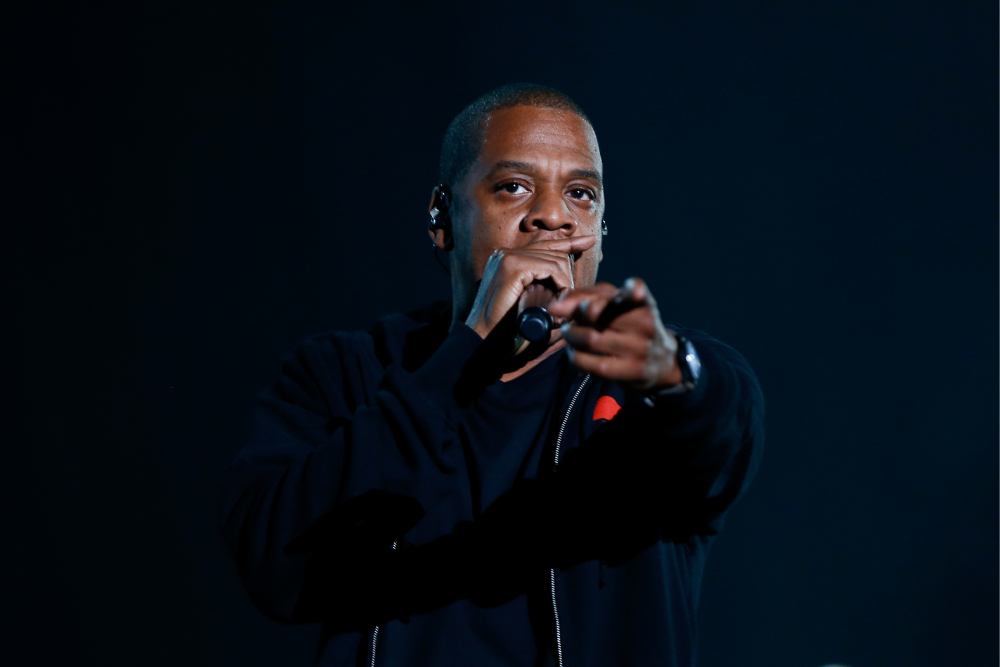
Sean Carter has built a career on rewriting the rules of what’s possible for Black artists in business. That reputation made his recent GQ interview land harder than a typical celebrity profile. In it, the rapper and entrepreneur laid out a vision of Black ownership that struck many observers as a significant departure from what the term has historically meant, and the response has been pointed.
What Jay-Z actually said about ownership
The most debated moment from the interview centered on how Jay-Z defined Black ownership. He argued that a business can be considered Black owned even if the Black stakeholder holds as little as 1% of it. His position framed any level of ownership as meaningful progress, suggesting that participation in a business structure matters regardless of the size of the stake.
He also addressed critics directly, indicating he is largely unbothered by public pushback. That posture drew its own criticism. Many felt that dismissing community concerns, particularly on a topic with this much historical weight, signaled a disconnect from the people his business brand is often associated with.
The choice to sit with GQ rather than a Black media platform like Drink Champs also drew comment. For some, it reinforced the perception that Carter is more comfortable speaking to mainstream audiences than to the communities whose cultural capital helped build his profile.
Why the ownership debate matters beyond Jay-Z
The criticism of his comments cannot be separated from a longer historical conversation about what Black ownership has meant and why it matters. Thinkers like Malcolm X and Marcus Garvey built entire economic frameworks around the idea that Black communities needed full, autonomous control over their businesses and institutions. The point was never symbolic inclusion. It was decision-making authority and the ability to direct resources back into the community.
Measuring that against a 1% ownership stake, critics argue, misses the point entirely. A fractional stake rarely comes with voting rights, board influence, or the ability to shape how a company operates. What it offers, more often, is visibility. And visibility without power does not move the needle on economic independence.
This matters because the language of ownership carries weight. If Black owned can be applied to a business where a Black investor holds a negligible share, the term loses the functional meaning it was built to convey. It becomes a branding tool rather than a structural reality.
The harder question about Black ownership
Jay-Z‘s business record is not in dispute. He has built or co-built companies across music, spirits, sports management, and technology. He holds meaningful stakes in multiple ventures. That track record is real.
What the backlash is pointing at is something more specific. When a figure with that level of influence publicly redefines ownership in a way that lowers the bar, it shapes how younger entrepreneurs and consumers think about what they are building and what they are buying. A generation learning to navigate capitalism through that framework may end up confusing access with control.
The conversation that followed the GQ interview reflects something the Black business community has been working through for decades. Participation in the economy is not the same as ownership of it. A seat at someone else’s table is a different thing from building and running the table yourself. Jay-Z knows this distinction well. His critics are asking why his public framing doesn’t reflect it.
