


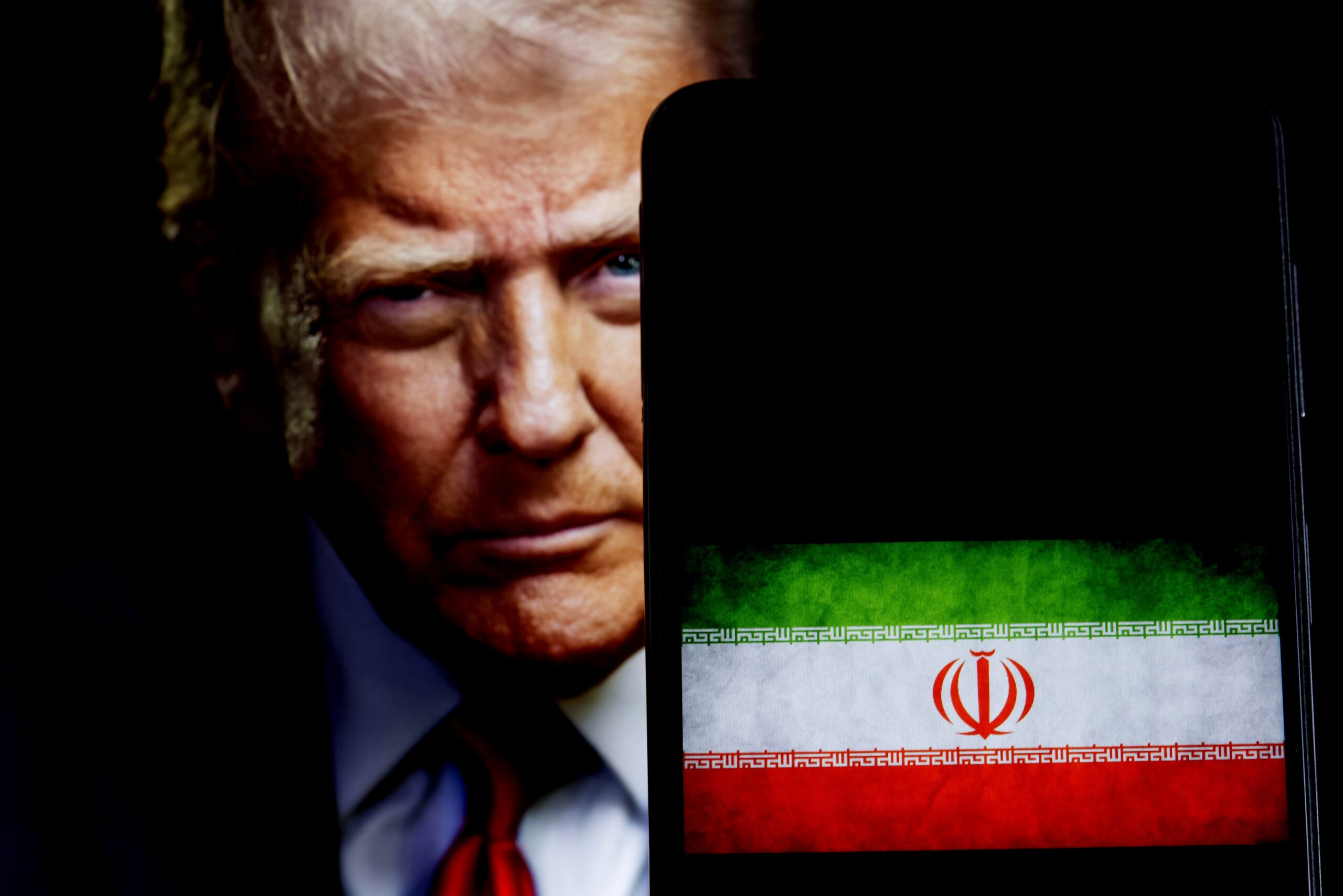
A group of Senate Democrats is threatening to bring the chamber’s legislative business to a near standstill unless Republicans agree to hold open public hearings with key Trump administration officials on the justification for the ongoing war with Iran.
The effort is being led by a coalition that includes senators from New Jersey, Virginia, Illinois, Wisconsin, Connecticut and California. The group made its intentions clear to reporters late Monday, voicing deep frustration that every briefing provided to Congress so far has taken place behind closed doors under classified conditions.
The senators said they were acting as individuals rather than on behalf of the broader Senate Democratic caucus, but their message was pointed. They want Secretary of State Marco Rubio and Secretary of Defense Pete Hegseth to testify in open session, and they are prepared to make Senate Republicans feel the consequences of refusing.
The tools Democrats plan to use
While Democrats hold minority status in the Senate, they retain a handful of procedural levers that can meaningfully slow the chamber’s operations. One senator alone can block unanimous consent, a routine mechanism the Senate relies on to move most of its daily business efficiently. Used strategically, that power can delay nominations, stall legislation and force floor votes that consume valuable time.
The group has signaled it is prepared to push additional war powers votes, crowding out other items on the Republican legislative agenda until public testimony is granted. One senator in the coalition acknowledged that Democrats have a limited number of tools at their disposal but made clear the group intends to use all of them.
This approach follows a war powers resolution the Senate voted down last week, a measure that would have placed restrictions on the president’s authority to use military force against Iran. The vote fell largely along party lines, with most Republicans rejecting the measure.
A war with growing costs and unclear goals
The conflict with Iran, which began roughly a week and a half ago, has grown into a full-scale regional confrontation involving more than a dozen countries. Among those killed since fighting began is Iran’s supreme leader, whose son has since been elevated to replace him. Seven U.S. service members have died in the conflict.
The Democratic push for transparency comes as the White House has offered shifting and at times contradictory explanations for why the war started. Administration officials have pointed to Iran’s nuclear program as a grave and immediate threat to Israel, even as a U.S.-led operation last year was described by Trump himself as having obliterated the country’s enrichment capability. The president has also raised the possibility of pursuing regime change in Tehran, adding another layer of ambiguity to the stated objectives.
Trump signals an end but offers few details
President Donald Trump said on Monday that the war would resolve very soon, but declined to offer a timeline or outline specific conditions that would mark the conflict’s conclusion. He described the military campaign as running ahead of schedule and said U.S. objectives were largely complete, while simultaneously vowing the country would not stop until a decisive victory had been achieved.
That contradiction sits at the heart of what Senate Democrats say is a transparency crisis. With oil prices in turmoil, American troops dying and a regional war expanding by the day, the group argues the public deserves more than classified briefings delivered out of sight.
The senators made clear they are not backing down and that the pressure on Republican leadership to schedule open hearings will only intensify as the conflict continues.
