


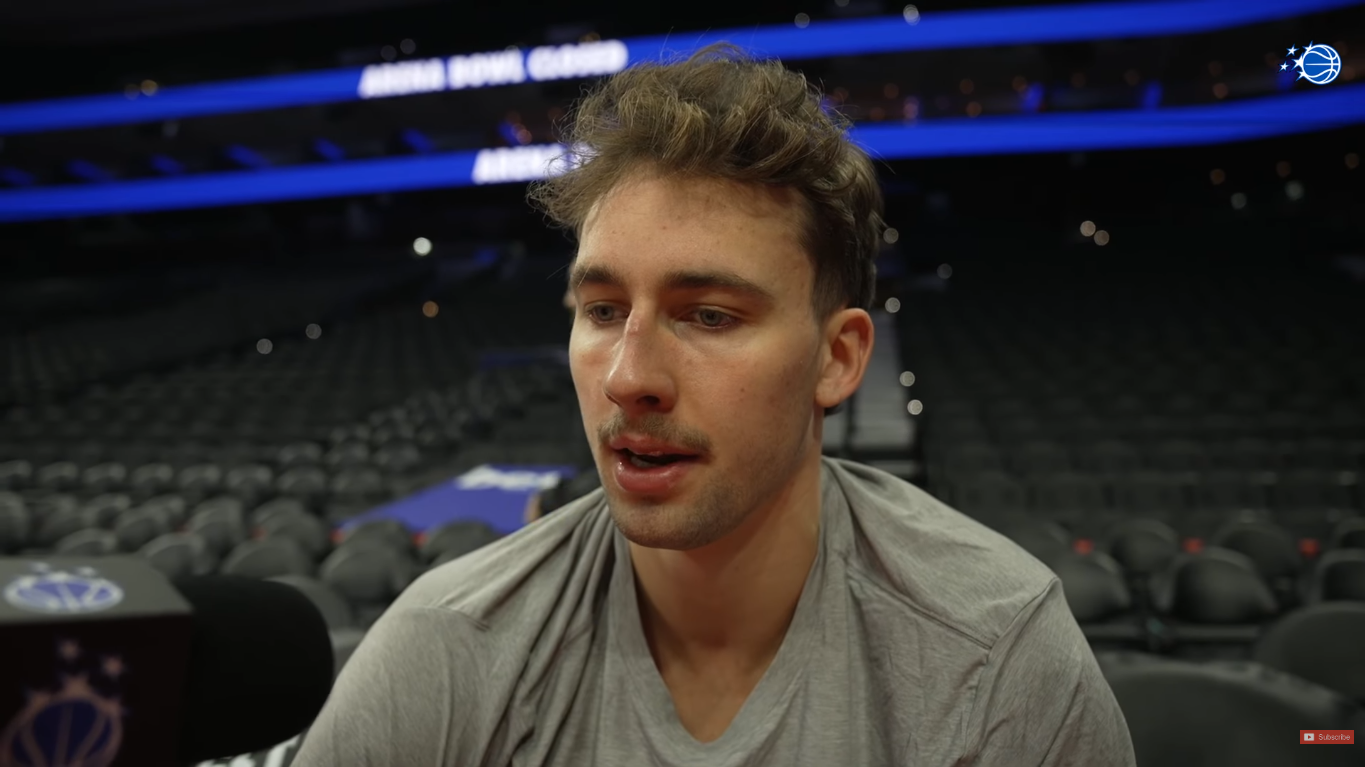
The All-Star forward has missed 25 of 29 games since early December, and tests show he needs more time to recover from a high ankle sprain that won’t quit
Franz Wagner’s high ankle sprain just became an indefinite absence instead of a “wait and see” situation, and the Orlando Magic’s injury nightmare officially hit crisis status. The team announced Wednesday that Wagner requires additional time and rehabilitation for soreness in his left high ankle sprain sustained December 7 against the New York Knicks. Instead of a timeline, Orlando will reevaluate him in three weeks. That’s basically code for: we don’t know when he’s coming back, but it’s not anytime soon. Wagner has already missed 25 of the Magic’s last 29 games, hasn’t played more than two games in a row, and now faces an indefinite recovery timeline. For a team desperately trying to stay competitive, this is exactly the setback they couldn’t afford.
The injury context makes this particularly brutal for Orlando’s aspirations
Wagner, Banchero, and Suggs the Magic’s core three have played together in only 19 of 135 games across last season and this one (14.1% availability). That’s basically never. When those three actually do play together, the Magic absolutely dominate: shooting 50.9% from the field, 39.6% from three, and outscoring opponents by 40 points in 148 total minutes. That’s championship-level basketball. Except they almost never play together because someone’s always injured.
Wagner’s individual production when healthy is elite
In 28 games this season, he’s averaging 21.3 points, 5.8 rebounds, and 3.6 assists while shooting 47.9% from the floor. The Magic score 117.2 points per game when Wagner plays. Without him? That drops to 112.7. That’s a meaningful differential that compounds over a season. With him, Orlando is 16-12. Without him, they’re 12-13. That’s a 4-game swing in win-loss record based almost entirely on Wagner’s presence.
The 25 games missed this season represents a career high for Wagner, which indicates how severe this particular injury has been. High ankle sprains are notoriously difficult to recover from because they involve the syndesmotic ligaments connecting the tibia and fibula. They don’t typically heal quickly, and rushing back can turn an injury that takes 6-8 weeks into one that lingers for months. The Magic clearly learned that lesson and are now taking the indefinite approach rather than forcing a timeline that compounds damage.
Orlando’s schedule heading out of the All-Star break is unforgiving without Wagner
They return Thursday against the Kings in Sacramento, then face the Suns, Clippers, and Lakers all on the roadbefore finally returning home for a four-game homestand. That’s five consecutive games against NBA’s best, starting on the road, without one of your three best players. The Magic are 28-25 currently, which is respectable but fragile.
What’s genuinely frustrating for Orlando is that they’ve built something viable when healthy
The three-man core is special. Their shooting percentages when together are historic. Their point differential is elite. But none of that matters if they can’t stay on the court. Wagner’s indefinite absence isn’t just about losing one player it’s about losing access to the only combination that’s proven to work.
The reevaluation in three weeks essentially means the Magic are operating without Wagner until at least early March. That’s the realistic timeline, which puts his potential return sometime in the second half of the season at best. By then, Orlando might have already fallen out of playoff positioning given their fragile record and difficult upcoming schedule.
For the Magic, Wagner’s setback is a reminder that potential only matters if players can stay healthy enough to realize it. Right now, that’s the one thing Orlando can’t seem to control.
