


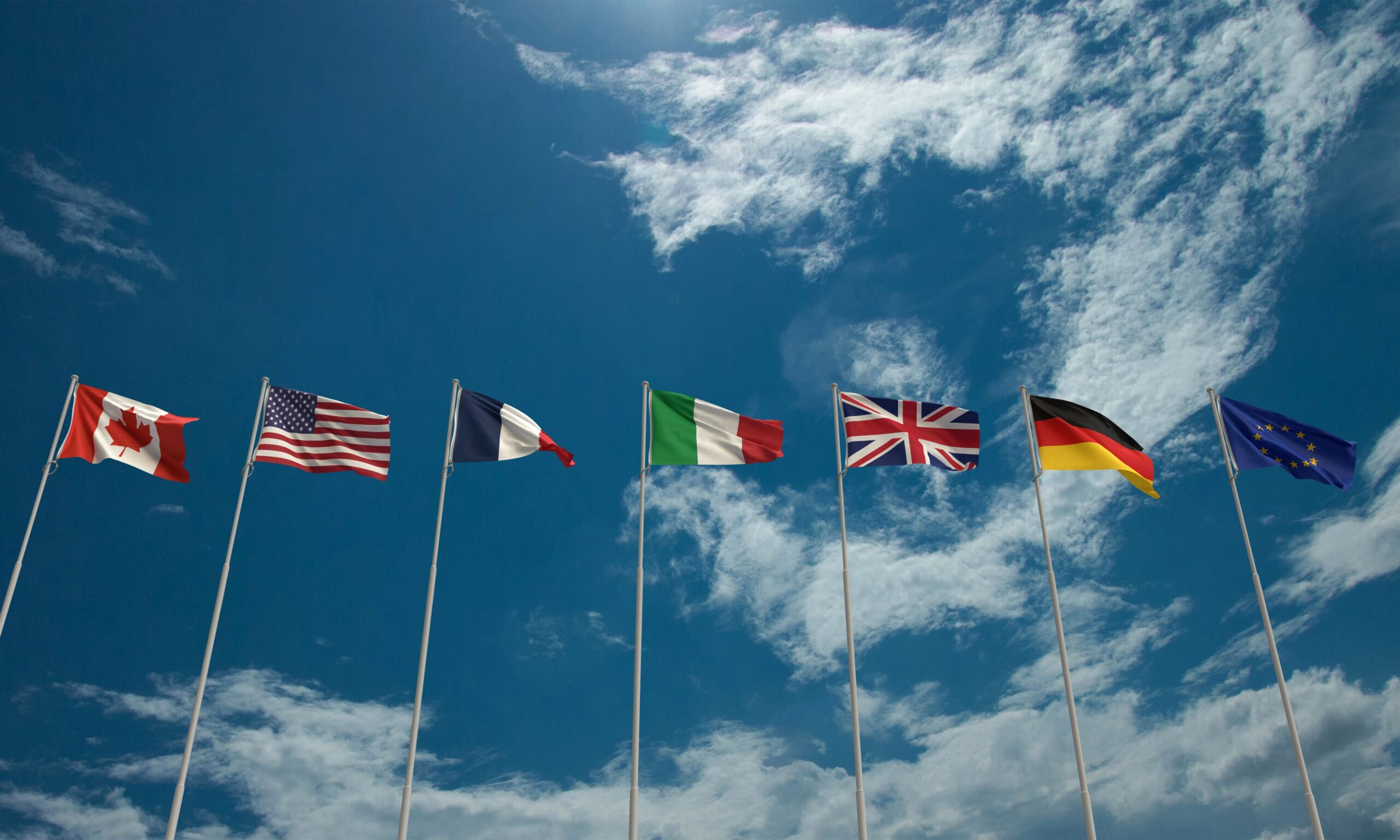
Finance ministers from the Group of Seven (G-7) nations are preparing to discuss a possible coordinated release of emergency oil reserves as surging crude prices and a near-total shutdown of oil flows through the Strait of Hormuz put mounting pressure on global energy markets. The talks were scheduled for Monday afternoon Paris time, with France, the current holder of the G-7 presidency, taking the lead in organizing the call.
The French government confirmed publicly that the use of strategic reserves was under active consideration. No final decision had been reached as of Monday morning, and the discussions were described as exploratory. Any release would be coordinated with the International Energy Agency, the Paris-based body that oversees the world’s collective emergency oil supply framework.
The possibility of a joint drawdown helped ease some of the day’s price pressure. Brent crude had surged to nearly $120 a barrel earlier in the session, up sharply from around $72 before the conflict began, before pulling back toward $107 as news of the potential action spread. The effective closure of the Strait of Hormuz has largely trapped oil exports from Persian Gulf producers, forcing major drillers in the United Arab Emirates and Iraq to cut output due to a lack of available storage. Saudi Arabia has been racing to reroute shipments through the Red Sea.
A rare but not unprecedented move
Coordinated releases from strategic petroleum stockpiles have occurred only five times in history. Two of those instances came in direct response to the Russian invasion of Ukraine in 2022. Earlier drawdowns were triggered by supply disruptions in Libya, the destruction caused by Hurricane Katrina and the outbreak of the first Gulf War. The scale being discussed this time is significant. Figures circulating among officials suggest a release in the range of 300 million to 400 million barrels, representing roughly a quarter to nearly a third of the approximately 1.2 billion barrels held collectively in reserve by member nations.
Divisions beneath the surface
The talks are unfolding against a backdrop of quiet tension among allies. Some European nations have raised concerns that the United States may use the moment to push for a loosening of sanctions on Russian oil, particularly as Russia’s economy shows signs of serious strain. The Trump administration has already granted a waiver allowing India to purchase Russian oil held at sea and has signaled that additional sanctions relief could follow. European partners have been left with limited clarity about American intentions in the days since the conflict began.
The prospect of easing Russian oil sanctions as a tool for cooling energy prices represents a significant point of divergence between Washington and its European counterparts, and one that could complicate any coordinated response if it is pushed too forcefully.
Consumers and refiners feel the strain
The impact of the supply disruption has already reached ordinary consumers in markets around the world. Long lines have formed at filling stations in several countries, and a sharp rise in jet fuel costs has pushed airline ticket prices higher. Refineries across Asia that depend heavily on Middle Eastern crude have been forced to reduce operating rates as they struggle to secure alternative supplies.
As recently as Friday, senior officials on both sides of the Atlantic were playing down the likelihood of any imminent reserve release, describing the situation as manageable. That tone shifted notably over the weekend as oil prices continued to climb and the Hormuz closure showed no signs of resolution. The speed of that shift reflects just how quickly the calculus changed when markets opened Monday morning.
