


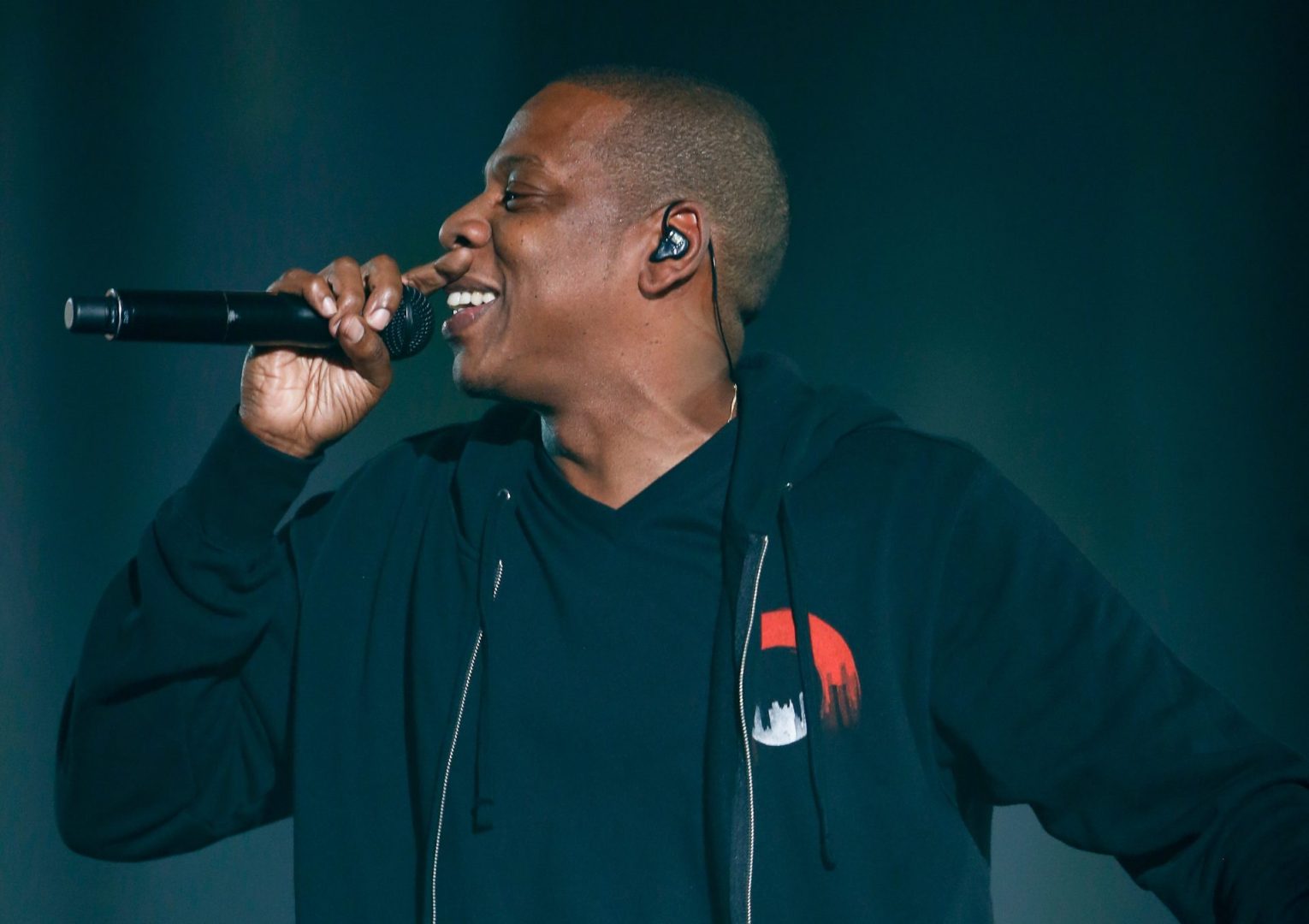
JAY-Z has never been a man who rushes to defend himself publicly, which is part of what makes his recent comments about J. Cole feel significant. In a candid interview, the Roc Nation co-founder addressed a narrative that has followed him for years, the idea that Cole was somehow underserved or undervalued during his time at the label. JAY-Z’s response was not defensive so much as clarifying. The distance, he suggested, was never neglect. It was a deliberate form of respect.
Cole signed to Roc Nation as its first artist in 2009, a moment that felt like a genuine statement of intent from one of hip-hop’s most powerful figures. Over the following decade he built one of the most loyal fan bases in rap, largely on his own terms. By around 2020 he had parted ways with Roc Nation to focus on Dreamville Records, his own imprint. The split prompted plenty of speculation but little public comment from either party until now.
JAY-Z and the philosophy of stepping back
What JAY-Z described in the interview was less a management style and more a philosophy rooted in a belief that artistic expression belongs to the artist. He framed his approach to Cole not as disengagement but as intentional restraint, a recognition that the path Cole needed to walk was one he had to find for himself.
He acknowledged offering guidance along the way, including encouraging Cole to collaborate with hitmaking production duo Stargate at a point when broader commercial exposure seemed within reach. But he was clear that offering a suggestion and issuing a directive are very different things. He never pushed Cole toward a decision that was not his own to make.
That philosophy, he explained, reflects a broader evolution in how Roc Nation operates. The company has moved steadily away from the traditional label model, which JAY-Z described as something he was never entirely comfortable with, toward a structure that prioritizes creative independence and flexibility for its artists.
Cole and the contrast with Bleek
To illustrate the difference in his approach with various artists, JAY-Z drew a contrast between Cole and Memphis Bleek, a rapper and longtime collaborator who has been in JAY-Z’s orbit since the mid-1990s. The dynamic with Bleek, he explained, is closer to a fraternal relationship, one built on years of proximity and a different kind of trust. With Cole, the connection called for something different. The tools were there, but the direction had to come from within.
It is a distinction that says something meaningful about how JAY-Z thinks about mentorship. Not every artist needs the same thing, and not every form of support looks like hands-on involvement.
No tension, only pride
Perhaps the most revealing part of JAY-Z’s comments was his tone when discussing where Cole stands today. There was no residual tension, no coded language and no suggestion of unfinished business. He expressed genuine pride in what Cole has built, describing himself as a fan of the music rather than a former boss looking back on a professional relationship.
He mentioned catching new Cole material recently through DJ Clue rather than directly from Cole himself, a detail that lands somewhere between telling and entirely normal depending on how you read it. What it does suggest is that the two exist in each other’s orbit even without a formal connection, which may be exactly the kind of relationship JAY-Z always envisioned.
For an artist who has spent decades being studied and second-guessed, JAY-Z’s account of his relationship with Cole reads like a quiet correction to a story that had already been written without his input.
