


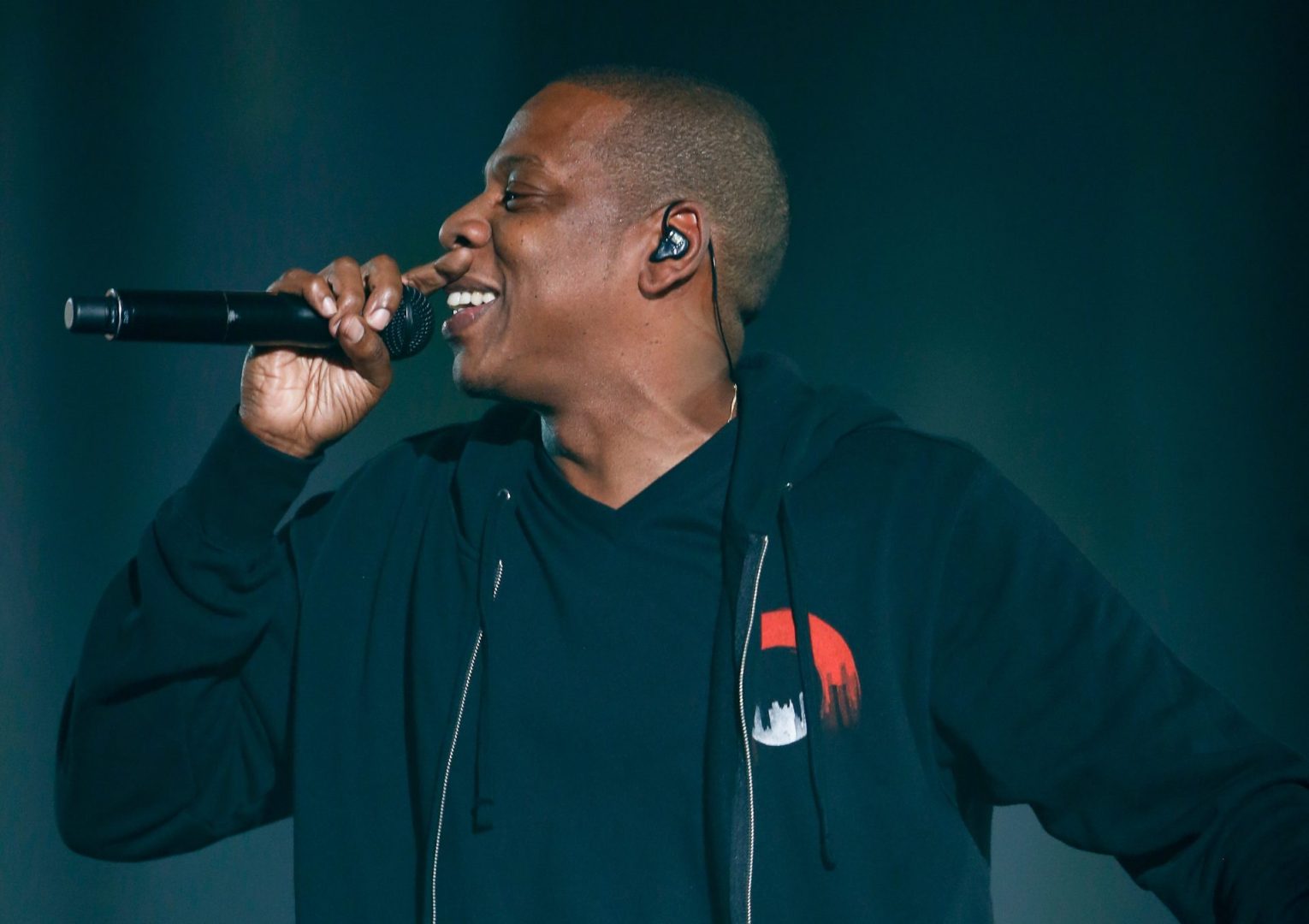
Jay-Z has seen rap beef up close. His own clash with Nas in the late 1990s is widely considered one of the defining rivalries in hip-hop history, which makes his perspective on the Kendrick Lamar and Drake feud carry a particular kind of weight. In a recent interview, Jay-Z reflected on what that rivalry produced musically and what it cost the culture that cheered it on.
His overall assessment was conflicted. He appreciated the creative output, the volume of music released in a compressed period and the energy it generated across the genre. But the broader fallout, particularly the behavior it inspired on social media, left him with a feeling he described as something close to regret that it happened at all.
Jay-Z and the problem with stan culture
What bothered Jay-Z most was not the artists themselves but what the beef did to the fans. The rivalry hardened allegiances in ways that he found troubling, creating a dynamic where admiring one artist seemed to require dismissing or attacking the other entirely. That kind of binary loyalty, he suggested, stops being about music and starts becoming something more corrosive.
He pointed specifically to how the conflict spilled over onto people who had no direct involvement, including children. Social media accelerated and amplified every moment, turning what might once have been a compelling artistic exchange into something that consumed far more space and caused far more damage than he felt was justified. He acknowledged the irony of saying so, given his own history of public disputes with other artists, but framed his current perspective as the product of genuine growth and reflection.
He also raised a broader concern about what he described as a coordinated effort to suppress Black voices, arguing that the culture was inadvertently feeding into that dynamic by channeling so much energy into internal conflict and online antagonism. Stan culture, in his view, had become a vehicle for something far less constructive than fan enthusiasm.
The Super Bowl decision and the conspiracy that was not one
Jay-Z also addressed lingering speculation about his decision to select Kendrick Lamar to headline the Super Bowl Halftime Show. For some observers, the choice was read as a statement of allegiance in the aftermath of the beef. Jay-Z rejected that interpretation directly and without much patience for it.
He described the decision as straightforward, based on Lamar’s exceptional year and his standing as the right artist for that moment. He expressed clear frustration at the suggestion that the booking was part of a broader conspiracy to undermine Drake, noting that his own stature in the industry made that kind of calculation unnecessary and frankly absurd. His argument was simple: he chose the best option available, and the beef between two other artists had nothing to do with it.
Regret, Nas and a moment of self-reflection
Perhaps the most candid moment in Jay-Z’s comments came when he reflected on his own rivalry with Nas. He said he regrets it, describing Nas as someone he genuinely admires and considers a friend. The admission was layered with self-awareness. He knows his position on beef is complicated by his own history, including some of the more personal and widely criticized moments from his own past disputes.
That tension, between the artist he was and the perspective he now holds, runs through everything he said about the Kendrick and Drake situation. He is not pretending to be innocent of the same impulses. He is simply suggesting that what was survivable before social media may not be in the current environment, and that hip-hop, a culture built on evolution, might be ready to leave this particular tradition behind.
