


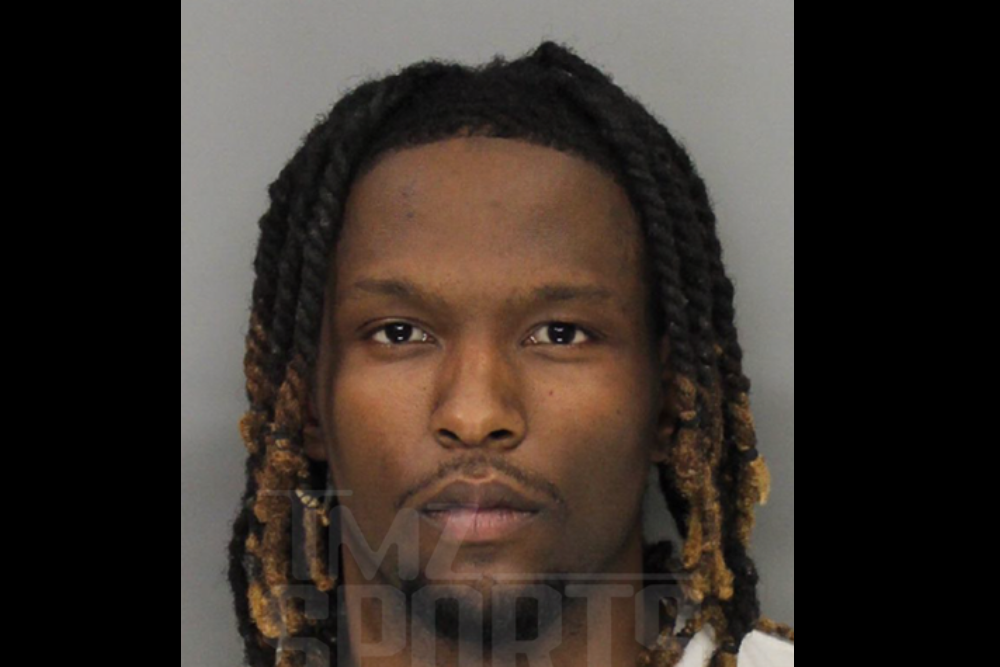
Newly released 911 audio from the night Jordan Jones was killed outside a bar in Acworth, Georgia, paints a clear picture of what happened and why. Witnesses who called emergency dispatchers in the immediate aftermath described a man who saw something wrong, said something, and was shot for it. Jones, 28, worked as a security guard at Saddle Bar on the night of March 7. According to callers at the scene, he was in the parking lot when he observed a man physically assaulting a woman and moved to intervene.
A witness told the dispatcher that Jones approached the alleged attacker, identified as Daniel Di Vonne Parsons, and told him directly that assaulting a woman was not acceptable and that he needed to leave. According to the caller’s account, Parsons returned to his vehicle, retrieved a firearm, and shot Jones in the back. Parsons then drove away from the scene in a black BMW.
The audio captures the chaos of the moments that followed. A second caller, audibly distressed, pleaded with dispatchers to send help as quickly as possible, describing the scene and urging emergency responders to arrive without delay. The callers provided a description of the alleged shooter and confirmed he had already fled before help arrived.
Jones was more than a security guard
Jones was not just working a shift that night. He had a future in football ahead of him. He had been set to play in the Arena Football One League with the Michigan Arsenal in the upcoming season, a detail that underscores what was lost when he was killed. His death cut short both a life and a career that still had somewhere to go.
Acworth Police confirmed that Jones was transported to Kennestone Hospital in Marietta, Georgia, where he died from his injuries. He was 28 years old. The news spread quickly through the football community and among those who knew him personally, and the response reflected the kind of person those closest to him described.
A community responds to the loss of Jones
The manager of Saddle Bar told reporters that a candlelight vigil was held at the establishment in the days following Jones‘ death. His mother, family members, and friends gathered at the location where he had worked and where he lost his life. The bar’s management also announced plans to increase security measures and expand police presence at the venue going forward, a direct response to what happened that night.
The vigil was a public acknowledgment of what the 911 audio had already made clear. Jones did not hesitate. He saw a woman being hurt and he acted. The people who were there that night knew it in real time, which is why they were on the phone with dispatchers within seconds trying to get him help.
Parsons arrested and charged
Daniel Di Vonne Parsons, 25, was arrested in connection with the shooting. He faces charges of felony murder, aggravated assault, and aggravated battery. The charges reflect the severity of what prosecutors allege occurred in that parking lot and the fact that Jones died as a direct result of the confrontation Parsons initiated after being told to leave.
The case is moving through the courts in Georgia. Parsons has not made any public statement through legal representatives as of the time this article was published.
What the 911 audio leaves behind
For the people who knew Jordan Jones, the audio is both painful and important. It confirms what they already believed about his character. He was working a security shift, saw a woman in danger, and chose to do something about it. That decision cost him his life, and the record of what happened exists now in the voices of strangers who watched it unfold and picked up their phones because they could not believe what they had just seen.
Jones was 28 years old. He had a football season ahead of him. He leaves behind a family, a community, and a 911 tape that tells his story better than most tributes ever could.
