


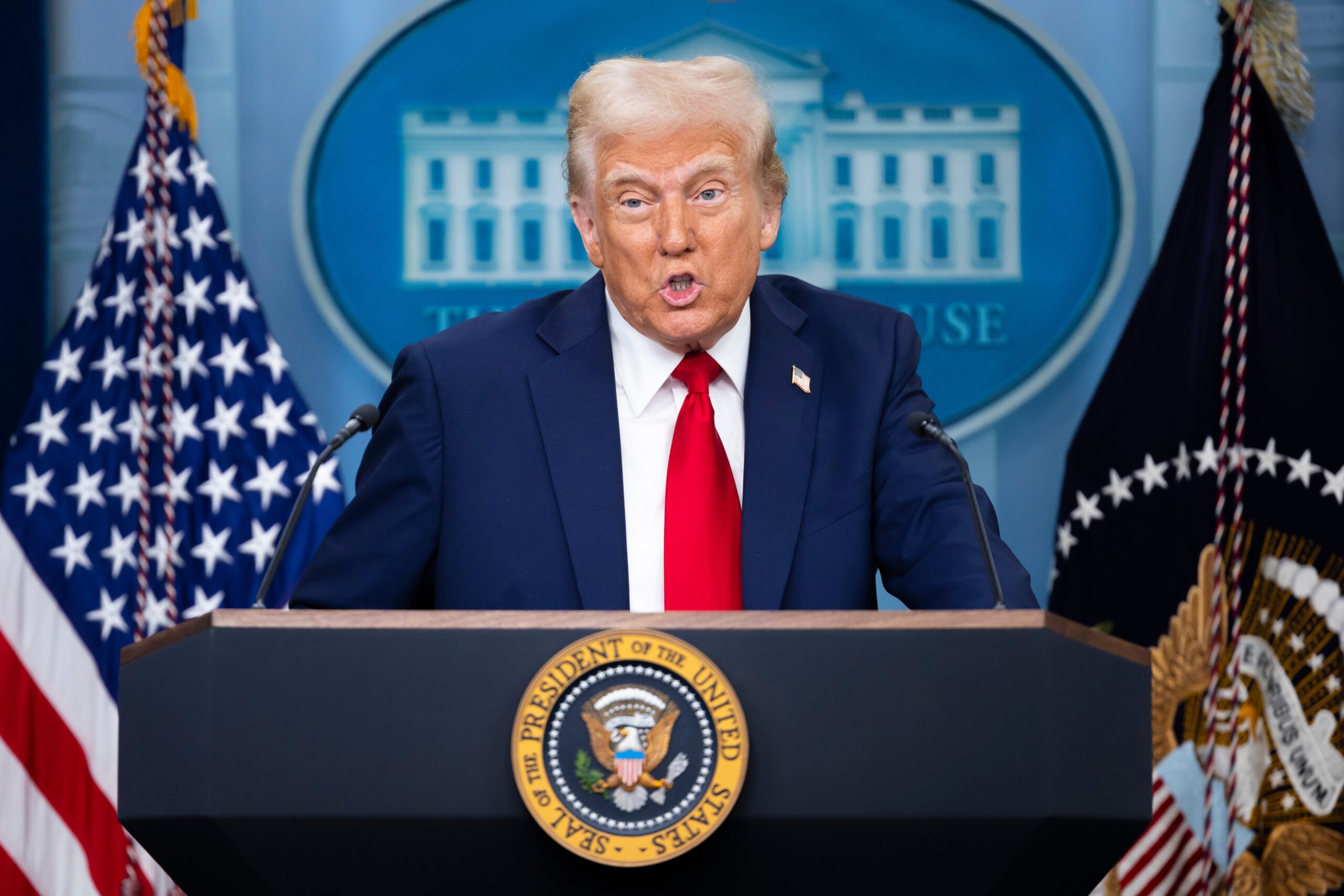
A federal judge in Massachusetts stepped in on Wednesday to halt the Trump administration’s effort to end temporary protected status for thousands of Ethiopian immigrants living in the United States. The ruling found that the administration had bypassed the process laid out by Congress, making its attempt to terminate the designation unlawful.
U.S. District Judge Brian Murphy, appointed during the Biden administration, issued the stay after determining that the government had acted outside its legal authority. At the heart of the decision was a foundational question about the limits of executive power and whether the president can override statutory obligations established by the legislative branch.
What TPS means and why it matters
Temporary protected status is a humanitarian designation that allows immigrants from certain countries to live and work legally in the United States without facing deportation. It applies to individuals whose home countries are experiencing armed conflict, environmental disasters or other conditions that make safe return impossible. For Ethiopian immigrants, the designation was first granted in 2022 under the Biden administration and later extended in 2024, covering thousands of people who had built lives and livelihoods in the country.
In December, the Department of Homeland Security announced that Ethiopia no longer met the legal threshold for the designation, with protections set to end in February. Wednesday’s ruling put that termination on hold.
The court’s reasoning
Judge Murphy’s order was pointed in its criticism of how the administration handled the process. He wrote that the executive branch does not have the authority to substitute its preferences for the will of Congress, and that the government’s actions in this case ignored both that principle and the law underpinning it. The ruling framed the matter not just as a policy dispute but as a constitutional one, touching on the separation of powers and the role of federal agencies in carrying out statutory mandates.
The decision adds to a growing list of legal setbacks the Trump administration has faced in its effort to scale back TPS protections. The administration has moved to end the designation for 13 countries in total, a sweeping rollback tied to its broader immigration enforcement agenda.
The administration pushes back
The Department of Homeland Security rejected the court’s reasoning in a statement issued after the ruling. The agency characterized the judge as a judicial activist and argued that conditions in Ethiopia had improved enough to no longer justify the designation. Officials maintained that the word temporary in the program’s name carries real meaning and that the administration’s job is to apply the law as written rather than to extend protections indefinitely.
The White House has consistently framed its TPS rollbacks as an effort to restore integrity to the legal immigration system, arguing that the designations had been stretched well beyond their original intent under previous administrations.
A bigger battle ahead
Wednesday’s ruling is unlikely to be the final word. The Supreme Court is set to hear arguments later this month on the administration’s efforts to strip TPS from Syrian and Haitian nationals, a case that could set a significant precedent for how far executive authority extends over humanitarian immigration programs.
For now, Ethiopian immigrants covered under the designation can remain in the country while the legal fight continues. But the broader question of whether the administration can ultimately dismantle these protections across multiple countries remains very much open and the courts appear ready to weigh in at every step.
The ruling signals that judges are willing to scrutinize not just the outcomes of immigration policy but the process by which those decisions are made, a development that could shape the administration’s approach for months to come.
