


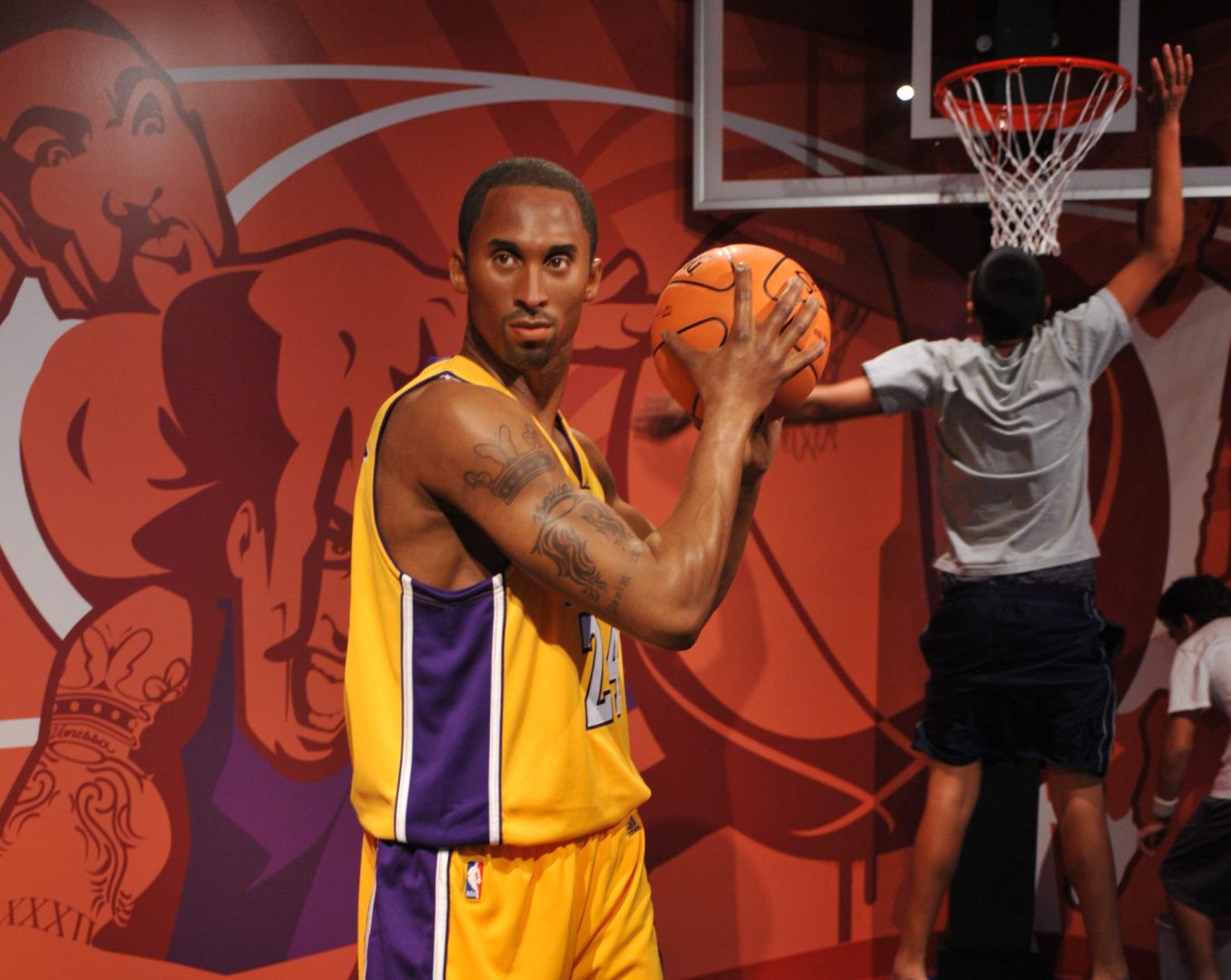
There are performances in sports that transcend statistics, nights so singular they become permanent fixtures in cultural memory. For Kobe Bryant, that night came in the 2005 to 06 season, when the Los Angeles Lakers guard put up 81 points against the Toronto Raptors in a performance that left the basketball world searching for comparisons. Only Wilt Chamberlain’s 100-point game stood above it in the record books.
It was the peak of a remarkable season. Bryant averaged 35.4 points per game on 45 percent shooting, leading the league in scoring and doing so in an era shaped by fewer possessions, tighter defensive rules and far less reliance on the three-point line. The conditions made the achievement even more striking. Against that backdrop, his 81 points felt not just historic but nearly unrepeatable.
In 42 minutes of action, Bryant went 28 of 46 from the field, 7 of 13 from beyond the arc and 18 of 20 from the free-throw line, finishing with six rebounds and three steals in a 122 to 104 victory. The Lakers were not a championship contender that season, but Bryant played as if the game itself demanded his absolute best regardless of the standings.
Kobe on whether his record could be broken
Years after that night, Bryant was asked whether anyone could realistically surpass his mark. His answer was measured but open. He believed it was possible, but that doing so would require an extraordinary combination of physical readiness and mental belief. The challenge, in his view, was not just the scoring itself but sustaining that level of output across the full duration of a game. The energy required, he suggested, was something most players never had the opportunity or occasion to channel all at once.
That perspective aged in a particular way once modern stars began flirting with the number. Devin Booker, Damian Lillard, Luka Doncic, Donovan Mitchell and Joel Embiid all reached the 70-point threshold in recent seasons, each performance reigniting the conversation about whether Bryant’s mark was truly safe. But none of them got close enough to make it feel imminent.
Kobe’s record falls to the most unlikely candidate
Then came Bam Adebayo. The Miami Heat center, a player whose career scoring average had only occasionally cleared 20 points per game, erupted for 83 points against the Washington Wizards, surpassing Bryant’s record in a performance that immediately triggered widespread debate. Adebayo shot 20 of 43 from the field, 7 of 22 from three and 36 of 43 from the free-throw line, relying heavily on foul drawing to carry him past the historic threshold.
The reaction across the basketball world was complicated. Some celebrated the sheer improbability of a player of Adebayo’s profile reaching that number. Others questioned the circumstances, pointing to the game’s outcome having been decided well before the final buzzer. Adebayo also became the first player in NBA history to score more than 70 points in a single game while shooting below 50 percent from the field, a statistical footnote that did little to quiet the skeptics.
Among those with reservations was Robert Horry, who acknowledged the difficulty of the feat while stopping short of placing it alongside Bryant’s performance in terms of historical weight. The split reaction was perhaps inevitable. Records invite scrutiny, and this one carried the added weight of belonging to one of the most revered players the game has ever seen.
What Kobe Bryant’s 81 will always mean
Whether Adebayo’s 83 points are viewed as a pure record or a qualified one likely depends on who is doing the viewing. What is beyond dispute is that Bryant’s prediction proved accurate. He believed the record could fall. He believed the right player in the right moment with the right mindset could do what he had done and then surpass it.
That it ultimately came from a power forward known more for defense and interior play than for volume scoring made the moment stranger and more fascinating than anyone could have anticipated. Bryant’s 81 points will never lose their place in the collective imagination of the sport. But the record, at last, belongs to someone else.
