


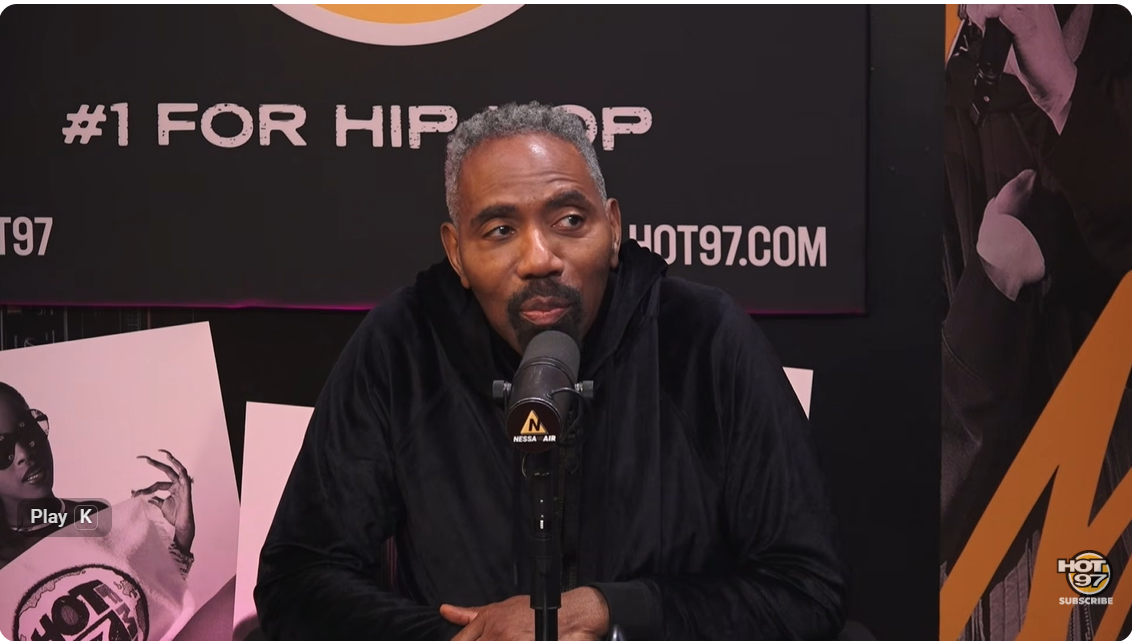
Louis Carr spent nearly four decades at Black Entertainment Television building one of the most productive sales operations in cable television, generating more than $10 billion in advertising revenue over his career. He was not angling for the top job. Then Scott Mills left after a 40-year run with the network, and Carr found himself stepping into the presidency.
Ninety days in, he is still defining what the role means. In a recent conversation with Forbes senior writer Jabari Young, Carr laid out a vision for BET that goes beyond ratings and programming schedules. The network, he argued, has an obligation to the audience it was built to serve, and he intends to take that obligation seriously.
What Carr wants BET to stand for
The framework Carr is working within centers on three ideas: community, culture and connection. He has been direct about the belief that brands targeting Black consumers cannot operate at a distance from the communities they profit from. Engagement, in his view, is not optional.
View this post on Instagram
Part of that engagement involves information. Carr has spoken openly about the problem of misinformation spreading through communities that lack access to reliable, representative media. His argument is that BET, with its reach and its history, is positioned to fill that gap. The network he is describing functions less like a passive entertainment platform and more like an active participant in the lives of its viewers.
That framing shapes his programming priorities as well. BET is bringing back award shows and stand-up comedy, formats with strong roots in Black cultural tradition. The decisions are deliberate. Carr is not interested in chasing trends that pull the network away from what it has always done well.
The people who shaped him
Carr has been forthcoming about the mentorship that carried him to this point. He credits BET founder Robert Johnson and Black Enterprise founder Earl Graves Sr. as two of the defining influences on how he thinks about leadership and responsibility in Black media. He has described both men as figures who cleared a path that others could walk.
His own path into the industry started in sales, following a push from a friend that landed him at Johnson Publishing Company before he eventually made his way to BET. The arc of that career, from an entry-level position to the presidency of the network, informs how he talks about longevity and what it actually requires.
Reinvention as a career strategy
Carr has been consistent on one point across his nearly 40 years in media: the professionals who last are the ones who keep updating themselves. Technology changes. Audience behavior changes. The business models that worked a decade ago may not survive the next one. His view is that adaptability is not a soft skill but a professional requirement, and that staying current across systems, processes and platforms is what separates careers that endure from ones that stall.
That perspective is relevant now more than ever. The media landscape BET operates in today looks nothing like the one the network was launched into. Streaming has fragmented audiences. Social platforms have changed how culture moves. Carr is stepping into the presidency at a moment when the definition of what a television network is supposed to do is still being renegotiated.
Where BET goes from here
Carr has not announced a sweeping overhaul. What he has communicated is a set of principles that will guide the decisions ahead. BET was built on Black culture, and that origin is where he intends to keep the network anchored. The programming may evolve, the platforms may multiply, and the business model will almost certainly shift, but the audience and the mission, in his telling, stay the same.
For a network that has spent decades as the dominant brand in Black entertainment, the question now is whether it can also become something its audience genuinely relies on. Carr is betting it can.
