


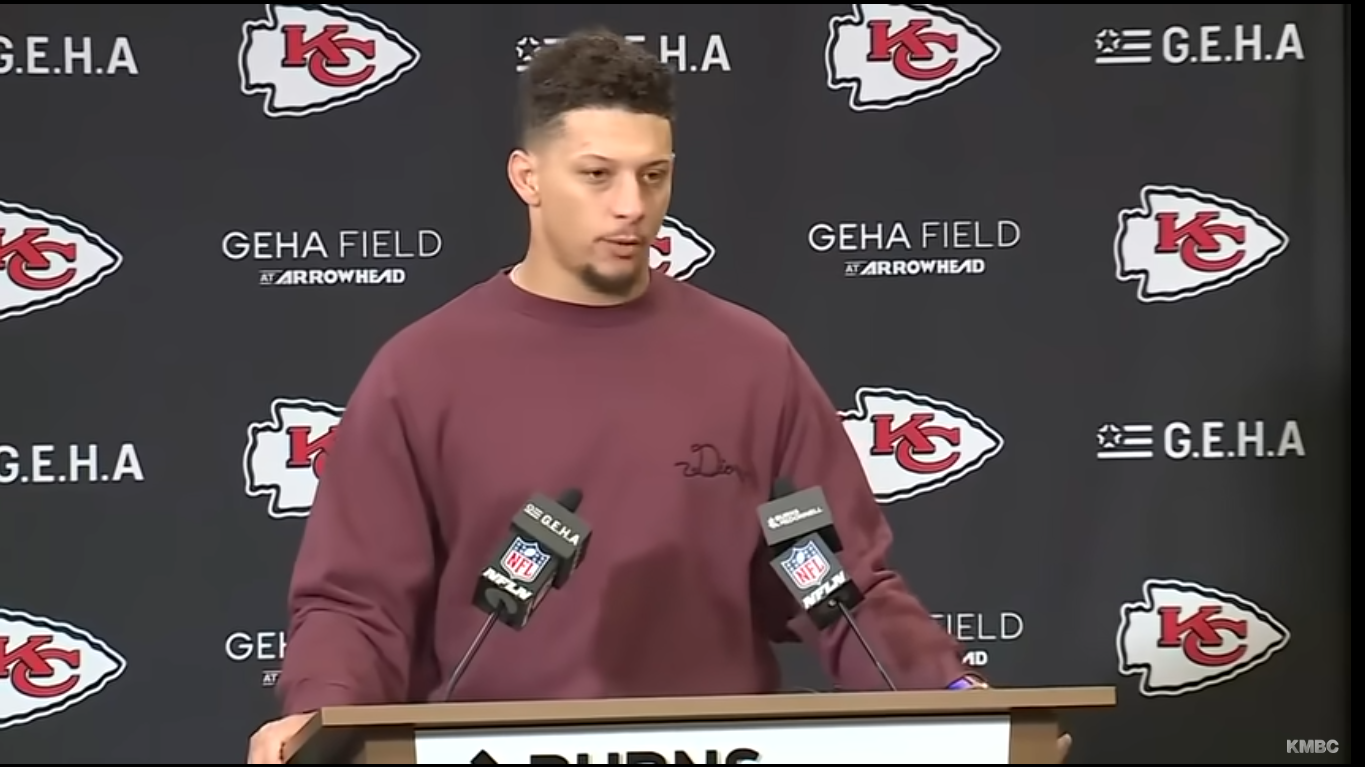
The Kansas City Chiefs restructured Patrick Mahomes’ contract this week for the fourth consecutive year, converting $54.45 million into a signing bonus and lowering his 2026 cap number to $34.65 million. It created $43.65 million in much-needed cap space for a franchise that entered the offseason $57 million over the cap. The restructure doesn’t solve Kansas City’s financial problems it just delays them while buying time to address the immediate crisis. Mahomes is recovering from knee surgery and wants to play in the 2026 season opener, but the Chiefs’ front office has bigger problems than quarterback health right now: they’re financially broken.
This is the fourth consecutive year the Chiefs have restructured Mahomes’ deal, which essentially means they’ve been operating on borrowed money for four seasons. The original 10-year, $450 million deal signed in 2020 was the richest contract in North American team sports history at the time. It was also a ticking time bomb. Now, instead of facing that bomb, Kansas City keeps kicking it forward. Under the restructured terms, Mahomes will count for an additional $11 million against the cap each of the next four seasons, bringing his total cap hit to $85 million for 2027. That’s not solving the problem. That’s compounding it by pushing massive financial obligations into future years.
What makes this particularly challenging is that the Chiefs are coming off their worst season in over a decade. They missed the playoffs in 2025 after reaching the Super Bowl in each of the three previous seasons. That’s not just a down year. That’s a dramatic collapse. The team that dominated the AFC is now desperately restructuring their franchise quarterback’s deal to afford other players. It’s a stunning reversal from the dynasty narrative that seemed inevitable just two years ago.
The Chiefs still face major financial decisions even after Mahomes’ restructure
Star defensive lineman Chris Jones is set to count for nearly $45 million against the cap and is a candidate for his own restructure. Offensive lineman Jawaan Taylor, carrying an $80 million four-year deal with one year remaining, is a cut candidate. Mike Danna, Drue Tranquill, and Noah Gray are also potential releases. Kansas City needs to be under the NFL’s salary cap by March 11 when the new league year starts. That’s a shrinking timeline with massive obligations remaining.
Mahomes’ knee surgery in mid-December adds another variable to Kansas City’s planning. He had surgery to repair two torn ligaments in his left knee and indicated last month that he wants to play in the 2026 season opener. Whether that’s realistic depends on rehabilitation progress, but it’s the standard optimistic quarterback messaging. The Chiefs are betting on him being healthy and productive while operating in financial chaos.
What’s genuinely fascinating is how quickly the Chiefs’ financial structure became unsustainable. They built around Mahomes with massive long-term commitments to supporting stars, then watched that team collapse. Now they’re dismantling it via salary cap casualties rather than trading pieces or rebuilding intentionally. Defensive lineman Chris Jones is next in line for the restructure treatment. Eventually, the only way Kansas City avoids complete financial destruction is if Mahomes takes another deal restructure or they move on from expensive veterans entirely.
The 2026 season represents a critical inflection point for the Chiefs franchise
Do they remain competitive with Mahomes while offloading expensive players? Do they rebuild entirely? Do they continue the restructure treadmill indefinitely? Those answers depend largely on whether Mahomes returns healthy and whether Kansas City can actually stabilize its finances. For now, the restructure is a band-aid on a much larger wound.
The Chiefs’ dynasty isn’t necessarily dead. But the financial model supporting it definitely is.
