


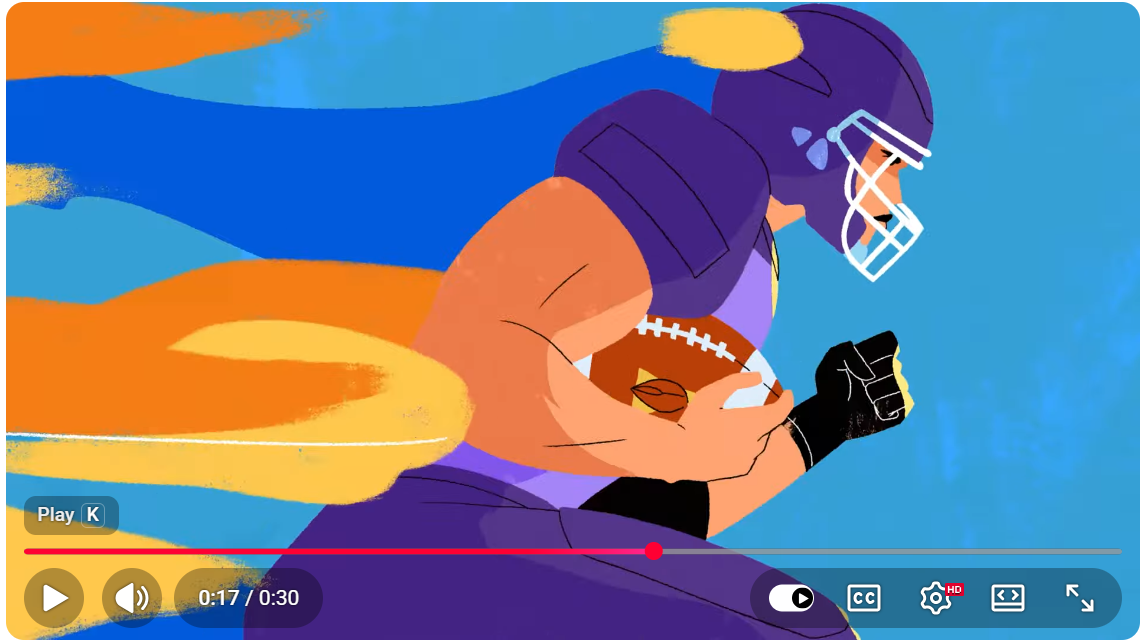
The NCAA rolled out a new public service announcement Today as part of its Draw the Line campaign, an initiative aimed at raising awareness about the harassment student-athletes face because of sports betting. The timing was deliberate. March is Problem Gambling Awareness Month, and the new spot will run throughout March Madness, the tournament that generates the most betting activity in American sports.
Harassment tied to sports betting is getting worse
The numbers behind the campaign are difficult to dismiss. A recent NCAA study found that nearly half of Division I men’s basketball players have experienced online, verbal or physical abuse from fans who lost bets connected to their games. A separate analysis of public comments targeting participants across seven NCAA championships and the College Football Playoff National Championship found that student-athletes in Division I Men’s and Women’s Basketball Championships received close to 4,000 verified abusive messages. About 80% of all confirmed malicious content was concentrated during the tournaments themselves, when betting volume peaks and fan emotions run highest.
Clint Hangebrauck said that Student-athletes face enough pressure in their competitive environment without the additional burdens brought by the expectations of sports bettors and NCAA managing director of enterprise risk management.
What the NCAA is doing about it
The campaign video released Thursday outlines several active measures the organization says it is building on. The NCAA monitors more than 22,000 competitions each year to defend competition integrity. It has educated more than 300,000 student-athletes about sports betting risks through EPIC Global Solutions and its own e-learning platform. The organization also operates what it describes as the largest sports surveillance program in the country, developed through partnerships with Signify Group and Venmo. On the policy side, the NCAA has been leading state-level advocacy efforts pushing for restrictions on prop bets that name individual players.
Prop bets, which allow gamblers to wager on specific in-game performances tied to individual athletes, have been directly linked to spikes in targeted harassment. When a player fails to hit a statistical threshold that cost a bettor money, the backlash often follows that player directly onto social media.
A new module focused on mental health and online safety
Alongside the campaign, the NCAA released a new e-learning module Today called ‘Above the Noise: Protecting Your Mental Health, Safety and Identity Online.’ The module is designed for both current and prospective student-athletes and focuses on helping them recognize the warning signs of online harassment, understand what tools exist to address it and know how to report abuse when it occurs.
The organization framed the release as part of a broader educational approach. College athletics departments have been encouraged to make the module part of their onboarding and compliance programming, giving incoming athletes a baseline understanding before they begin competing at the Division I level and before their names appear on a betting slip.
The campaign page at ncaa.org/drawtheline offers additional resources for athletes, schools and advocates looking to engage with the issue beyond March.
Hangebrauck’s message was pointed. College athletics is a space that should be defined by support and celebration. At the moment, for too many student-athletes, it is defined by threats.
