


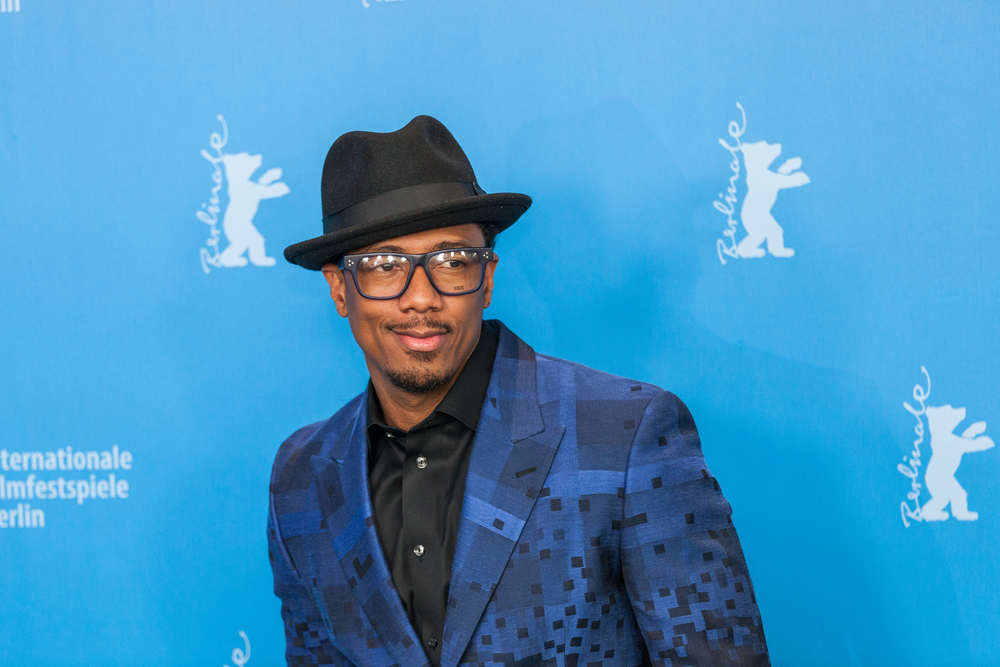
A federal judge has cleared the way for Viacom’s trademark lawsuit against the Zeus Network to move intodiscovery, ruling Monday that the case over Nick Cannon’s new show ‘Bad vs. Wild’ presents enough merit to proceed. Judge Arun Subramanian declined to dismiss the suit, which accuses Zeus of modeling its program so closely on Cannon’s long-running MTV series ‘Wild ‘N Out’ that viewers could reasonably mistake one for the other.
The ruling keeps the legal pressure on Zeus while stopping short of endorsing every claim Viacom brought to court. The judge dismissed the copyright portion of the case, but the trademark claims survived, setting up what could become a significant test of intellectual property boundaries in the streaming era.
What Viacom is arguing
Viacom, the former parent company of MTV and VH1, contends that Zeus did not simply draw inspiration from ‘Wild ‘N Out’ but reproduced its formula with enough precision to constitute infringement. The lawsuit argues that visual and textual similarities between the two shows are close enough to confuse a casual viewer, and that Zeus effectively implied ‘Bad vs. Wild’ was a sequel to the MTV original, in part because Cannon was selected to host.
Viacom’s legal team characterized Zeus’s approach as one of deliberate imitation rather than original creation, arguing that the network built its product on goodwill and creative labor that belonged to someone else.
What the judge decided
Judge Subramanian ruled that while Viacom’s trademark argument warranted further examination, its copyright claim did not hold up. In his reasoning, the judge noted that broad reality television formats are not easily protected under copyright law because so many shows share overlapping structures, recurring talent, and similar pacing. Allowing those kinds of similarities to constitute infringement, he wrote, would make developing new television programming considerably more difficult across the industry.
The case now moves into discovery, where Viacom will need to build an evidentiary record capable of supporting its trademark claims at trial.
Zeus Network’s position
Zeus has pushed back firmly against the accusations. The network’s attorneys have maintained that the show does not infringe on Viacom’s intellectual property and that the remaining claims will not survive once all the evidence is examined. Zeus has signaled it is prepared to take the case to trial if a summary judgment ruling does not resolve things in its favor.
Cannon’s role in both productions
One of the more unusual dimensions of this lawsuit is that Cannon sits at the center of both shows without being named as a defendant. He created ‘Wild ‘N Out’ in 2003, hosted it through its original run on MTV and its 2013 revival on MTV2, and produced both versions through his company NCredible Entertainment. ‘Bad vs. Wild,’ which premiered in 2024 and features an all-female cast drawn from the ‘Baddies’ franchise and other reality programming, is also produced by NCredible Entertainment. Cannon hosts that show as well.
That arrangement creates an unusual dynamic in which the same producer and host appears on both sides of a dispute over creative ownership.
What the case means for the industry
The lawsuit arrives at a moment when the line between inspiration and imitation in television is being scrutinized more closely than ever. Streaming platforms have expanded the market for unscripted and improv-based programming significantly, and the demand for formats that can hold an audience’s attention has made proven templates attractive to new entrants. When those templates are built on established brands, questions about where influence ends and infringement begins become harder to answer.
The outcome of this case could carry weight beyond just these two networks. If Viacom prevails on its trademark claims, it would signal that the visual and promotional identity of a long-running television brand carries enforceable legal protection even when the underlying format is difficult to copyright. That would give established media companies a more durable tool for protecting their programming franchises going forward.
Discovery is now underway.
