



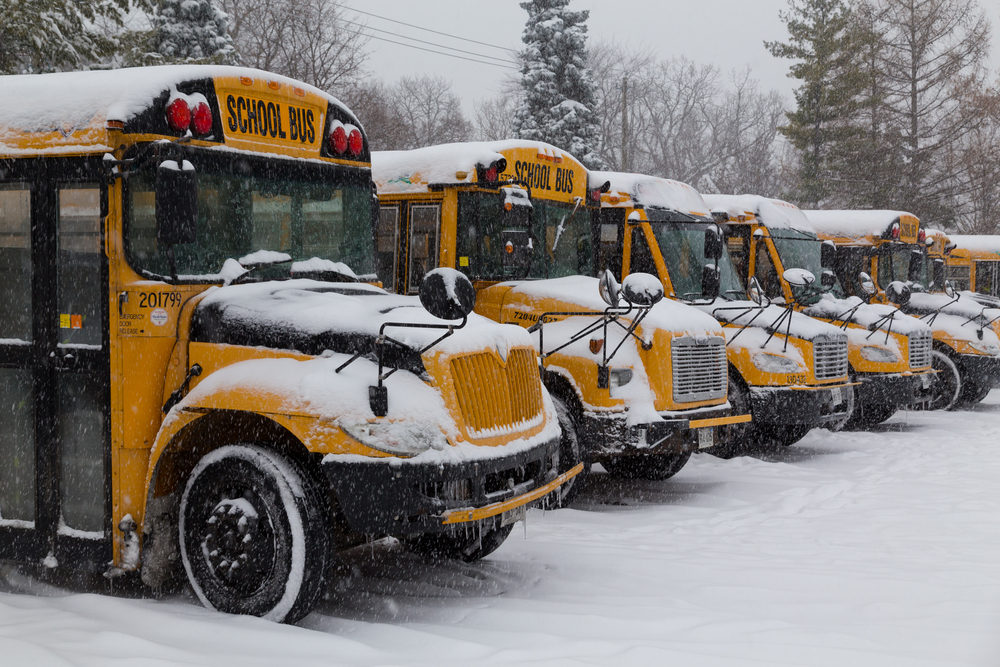
Families across North Texas found themselves in a familiar scramble Tuesday as school districts extended closures into Wednesday, with Dallas ISD and Fort Worth ISD leading a regional shutdown affecting hundreds of thousands of students. The widespread cancellations mark one of the most extensive winter weather disruptions the area has seen this season.
The closures stem from treacherous road conditions and dangerous ice accumulation that has blanketed the region since Monday. While temperatures were expected to climb above freezing Tuesday afternoon, district officials remained cautious about committing to Wednesday reopenings.
Major Districts Hit Pause
Dallas ISD and Fort Worth ISD, serving some of the largest school populations in North Texas, announced closures extending through Wednesday. The decision came after officials assessed campus safety, transportation routes and persistent below-freezing overnight temperatures that could refreeze any melted ice.
Other significant school closures included Plano ISD, Frisco ISD, Richardson ISD, Mansfield ISD, Lewisville ISD and Garland ISD. Many districts initially closed only for Tuesday but extended shutdowns as weather conditions proved more stubborn than anticipated.
Several districts took a wait-and-see approach Tuesday evening, monitoring road conditions and weather forecasts before making final calls on Wednesday school operations. This left many working parents in limbo, uncertain whether to arrange backup childcare or plan for remote work.
Widespread Impact Beyond Public Schools
The winter weather closure wave extended far beyond traditional public schools. Private institutions, charter schools and daycare centers followed suit, creating a domino effect across the childcare landscape.
Major universities also shuttered operations. Texas Christian University closed Tuesday with plans to reopen Wednesday, while Southern Methodist University cancelled classes for the day. The University of North Texas in Denton closed through Wednesday with a Thursday reopening planned.
Community colleges across the region, including Collin College, Tarrant County College and Navarro College campuses, suspended in-person operations. Some transitioned to remote instruction while others cancelled classes entirely.
Childcare Desert
The simultaneous closure of public schools, private academies and daycare facilities created significant challenges for working families. Dozens of childcare centers from Grand Prairie to McKinney closed their doors, leaving parents with few options beyond family members or taking personal days.
Notable closures included multiple Primrose School locations, Little Tyke Child Care centers and Montessori academies throughout the region. Many facilities that remained open Tuesday announced Wednesday closures as conditions persisted.
Government and Community Services Affected
The winter weather ripple effects reached beyond education. Dallas County government offices closed Wednesday, while other municipalities including Irving, Duncanville and Rockwall shut down operations Tuesday.
Meals on Wheels services across multiple counties suspended deliveries, urging seniors to rely on shelf-stable meals. The organization serves vulnerable populations who depend on daily meal delivery, making the disruption particularly concerning for elderly residents isolated by weather conditions.
Transportation and Safety Concerns
School transportation presented the primary safety concern driving closure decisions after the storm moved through the region. Many school bus routes covering rural areas remained hazardous despite afternoon warming, with ice persisting on bridges, overpasses and shaded roadways.
Several districts specifically mentioned monitoring conditions through Tuesday evening before finalizing Wednesday plans. The cautious approach reflects lessons learned from previous winter weather events when premature school reopenings led to accidents and safety incidents.
Districts in outlying areas including Weatherford, Granbury, Decatur and Cleburne faced particularly challenging conditions. These communities typically experience more severe winter weather impacts due to less urban infrastructure and longer travel distances.
Virtual Learning Questions
Most school districts opted for complete closures rather than transitioning to remote instruction, despite pandemic-era virtual learning infrastructure remaining in place. The decision reflects the reality that many families lose power during winter weather events, making online school impractical.
A handful of institutions, including Texas Woman’s University campuses, shifted to virtual-only operations. This hybrid approach allowed school continuity while acknowledging the risks of requiring commutes during hazardous conditions.
Source: CNN
