


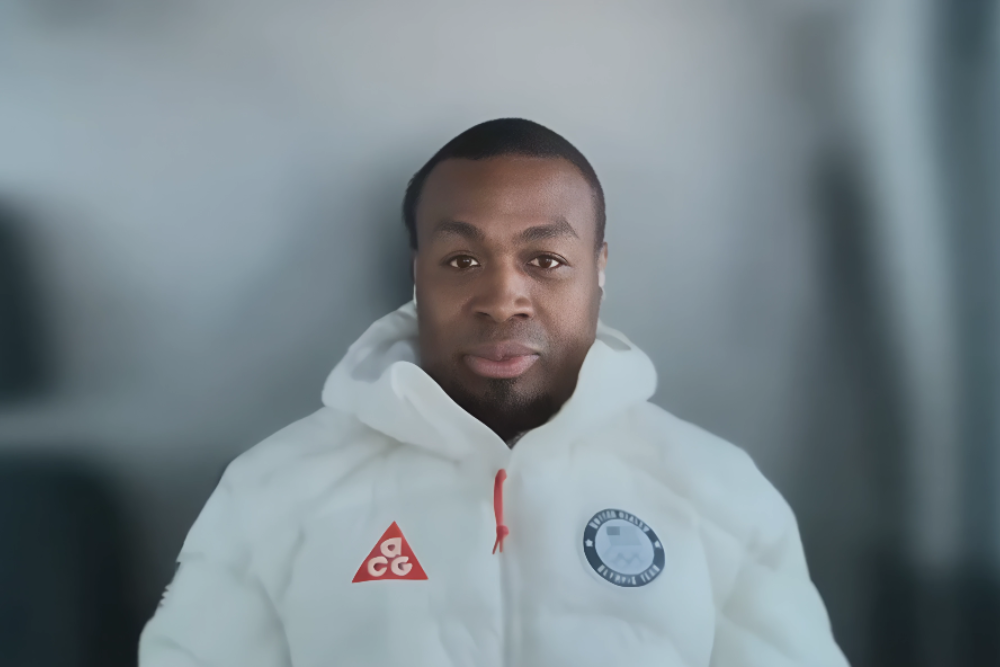
The Olympic frozen arenas and alpine slopes of Milan and Cortina d’Ampezzo are witnessing an unprecedented transformation this winter. Black athletes from across the globe are competing in record numbers, reshaping the visual and competitive landscape of winter sports. This surge represents far more than athletic achievement—it signals a cultural shift in disciplines historically dominated by limited representation.
From the thunderous collisions of ice hockey to the precision-driven descents of alpine skiing, these competitors are dismantling barriers while pursuing Olympic glory. Their presence spans continents, bringing together seasoned champions and first-time Olympians who carry the weight of national pride on their shoulders.
Team USA Leads Historic Charge
The American delegation arrives with its most diverse winter roster ever assembled. Laila Edwards has etched her name into the record books as the first Black woman to wear the stars and stripes in Olympic women’s ice hockey. The Cleveland Heights native commands the defensive zone with a physical style that complements her historic significance.
Speed skater Erin Jackson returns to the oval for her third Games, bringing credentials that include a 2022 gold medal in the 500 meters. Her achievement as the first Black woman to capture individual Winter Olympic gold remains a watershed moment in the sport’s evolution. Jackson’s explosive starts and technical mastery continue to set benchmarks for the next generation.
Bobsled Dynasty Continues
Elana Meyers Taylor enters her fifth Winter Games as the most decorated Black athlete in Winter Olympic history, with five medals earned across multiple competitions. Her longevity and consistency in bobsled exemplify the dedication required to remain elite across nearly two decades of international competition.
The American sliding contingent features remarkable depth. Kaysha Love transitions from track and field to become a serious medal threat in both monobob and two-woman bobsled. Azaria Hill brings Olympic pedigree as the daughter of medalists, serving as brakeman in the two-woman event. Bryan Sosoo, a Ghanaian-American who pivoted from track, strengthens the bobsled lineup with raw power and technical skill.
Darryl Payne Jr. makes history as the first African American man representing the United States in Olympic skeleton. The former Baylor track athlete navigates the treacherous ice chute headfirst, joining a prestigious lineage of track stars who found success in sliding sports.
Canadian Excellence Takes Center Stage
Sarah Nurse skates in her third Winter Games as one of hockey’s most electrifying forwards. She owns the record for most points scored in a single women’s Olympic hockey tournament—a dominant performance that showcased her playmaking vision and offensive instincts. Her chemistry with linemates and ability to elevate in crucial moments make her indispensable to Canadian aspirations.
Sophie Jaques makes her Olympic debut after becoming the first Black player to win the Patty Kazmaier Memorial Award as the top NCAA Division I player. Her defensive acumen and offensive creativity from the blue line add another dimension to an already formidable Canadian roster.
African Nations Emerge on Winter Stage
The most revolutionary development at these Games involves the expanding African presence in winter competition. Samuel Ikpefan returns for Nigeria in cross-country skiing, becoming the first Nigerian to compete in two separate Winter Olympics. His specialization in sprint events demonstrates the technical and physical demands required to excel in Nordic disciplines.
Nathan Tchibozo carries immense significance for Benin as the first athlete from his nation to ever compete at the Winter Olympics. At just 21, his participation opens pathways for future generations and expands the geographical footprint of winter sports.
Winston Tang brings Guinea-Bissau to the Winter Olympic stage for the first time. The 19-year-old’s journey to Milan represents years of training in unfamiliar environments, often far from home, to pursue an unlikely dream.
South African Youth Movement
South Africa fields a youthful contingent led by Nicole Burger, the first South African woman competing in Olympic skeleton at the senior level. Her aggressive approach to the icy track reflects both courage and technical preparation.
Alpine skiers Lara Markthaler, 18, and Thomas Weir, 17, navigate the technical demands of giant slalom and slalom events. Their participation at such young ages positions them as potential leaders for future Winter Games while gaining invaluable experience against the world’s best.
The 2026 Winter Olympics illuminate a powerful truth, winter sports are evolving beyond traditional boundaries. These athletes are not simply competing—they are expanding possibilities for communities worldwide and proving that excellence knows no borders.
