


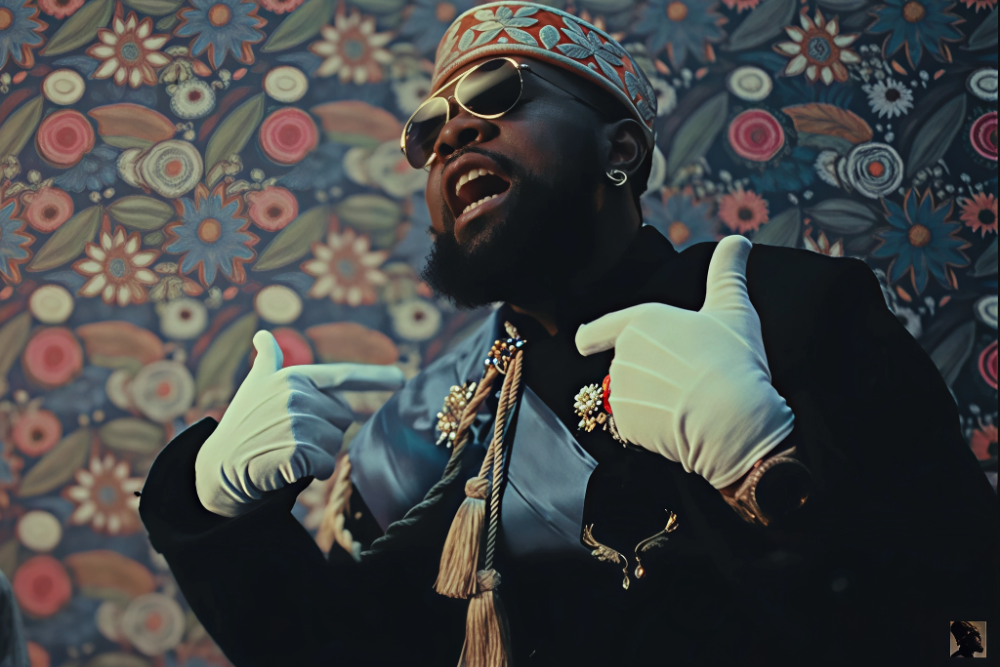
Patoranking is not done making history. The Nigerian reggae-dancehall star premiered the official music video for African Soldier on March 11, 2026, and the response has been immediate and overwhelming. Racking up over 26,000 views within the first five hours of release, the drop arrived with the kind of momentum that only happens when the music and the moment are perfectly aligned. What makes African Soldier particularly special is the feature — reggae icon Buju Banton, one of the most respected and influential voices the genre has ever produced. Together, the two artists have created something that feels less like a song and more like a statement.
Patoranking Brings Out a Living Legend
Buju Banton’s presence on African Soldier is not just a feature — it is a co-signing from one generation of greatness to another. The Jamaican reggae legend has spent decades building a catalog that has shaped the sound and soul of reggae worldwide. His appearance alongside Patoranking signals a mutual respect between two artists who understand exactly what their music means to their respective cultures and communities.
For Patoranking, landing Buju Banton on this record is a defining career moment. The Nigerian star has spent years earning his place at the top of Afrobeats and reggae-dancehall, blending both worlds with a fluency that few artists can claim. African Soldier represents the clearest expression of that identity yet — rooted in African pride, amplified by reggae’s global reach, and delivered with the kind of conviction that commands attention.
Why African Soldier Hits Differently
The title alone carries weight. In a global music landscape increasingly dominated by glossy production and disposable trends, African Soldier plants its flag firmly in the ground and dares the listener to look away. The themes of strength, identity, and cultural pride that run through the track resonate far beyond the reggae community — they speak to anyone who has ever had to stand tall in the face of pressure or adversity.
The official music video amplifies that message visually. The production is rich, the imagery is deliberate, and every frame feels intentional. This is not a video made quickly to accompany a single — it is a visual statement crafted to match the weight of the music it represents. The combination of Patoranking‘s energy and Buju Banton’s gravitas gives the video a rare sense of occasion that most releases simply cannot manufacture.
The Bigger Picture for Patoranking
African Soldier arrives as the second official single from Patoranking’s upcoming album, and it raises the stakes considerably for the full project. If the first two singles are any indication of where the album is headed, fans are in for one of the most ambitious and culturally resonant releases of his career. Each single has arrived with a clear sense of purpose — building anticipation methodically rather than flooding the internet and hoping something sticks.
That kind of patience and intentionality is rare in the current music landscape, and it speaks to the maturity Patoranking has developed as an artist. He is not chasing trends. He is setting them — and doing so on his own terms, with collaborators who carry the same level of conviction.
Reggae and Afrobeats United
What African Soldier ultimately represents is the continued blurring of lines between Afrobeats and reggae — two genres with deep cultural roots and massive global audiences that have been circling each other for years. Patoranking has always lived comfortably in that space, but this collaboration with Buju Banton feels like a formal declaration that the bridge between Jamaica and Africa has never been stronger.
In 2026, as African music continues its dominance on global charts and playlists, African Soldier arrives as a reminder of where that power comes from — and who helped build it. The video is out now, the numbers are climbing, and the album cannot come soon enough.
