


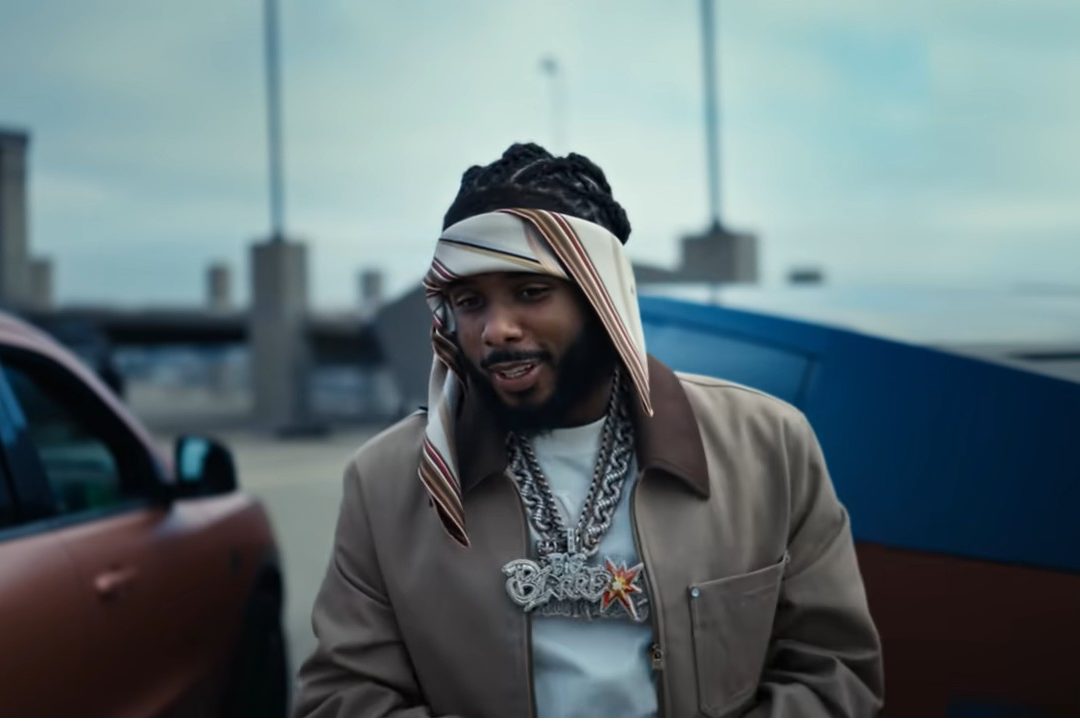
The courtroom did not go the way anyone in Pooh Shiesty’s corner had hoped. On April 8, 2026, a federal judge in Dallas denied bail for the Memphis rapper — real name Lontrell Denell Williams Jr. — leaving him in custody as he faces charges that could put him away for the rest of his life.
The charges are serious. Shiesty, along with eight co-defendants including his father and fellow Memphis rapper BIG30, stands accused of conspiracy to commit kidnapping and armed robbery. The alleged incident took place on January 10, 2026, at a Dallas recording studio — and the alleged target was none other than Gucci Mane.
This is not a rumor. This is a federal case.
What Prosecutors Say Happened
Federal prosecutors paint a calculated picture. Shiesty allegedly arranged a business meeting at a Dallas studio under false pretenses, luring Gucci Mane and two other victims into what authorities describe as a coordinated armed takeover.
Once inside, Shiesty allegedly produced an AK-style pistol and forced one of the victims to sign a release from his recording contract with 1017 Records at gunpoint. Nine defendants reportedly traveled together from Memphis to Dallas to carry out the plan — a detail prosecutors say is supported by
- License plate reader data tracking the group’s movement
- Rental records linking Shiesty’s father to a vehicle used by the group
- Surveillance footage from the studio, a nearby store, and a hotel
- Ankle monitor data placing Shiesty at the studio — in direct violation of his home detention terms
- Latent fingerprints recovered at the scene
Shiesty had been released early from federal prison in October 2025 after serving roughly three years on a prior gun charge. At the time of the alleged January incident, he was still under supervised release and was explicitly barred from being in Dallas.
Pooh Shiesty’s Defense Fires Back
Defense attorney Bradford Cohen did not hold back after the hearing. Speaking outside the courthouse, Cohen pointed to what he described as glaring holes in the prosecution’s case.
The FBI, Cohen said, does not have the recording contract at the center of the dispute. There is no video of any alleged signing. No guns were recovered. No jewelry was seized. The physical evidence, Cohen argued, simply does not exist.
The prosecution’s case rests heavily on witness testimony — including, reportedly, statements from individuals cooperating with the government. Cohen called the witness accounts questionable and pointed out that the FBI had not even interviewed Gucci Mane or the other alleged victims directly, relying instead on statements given to Dallas police at the scene.
Cohen also raised a pointed question — if the FBI believed everything they were told, why did it take three months to make an arrest?
The Gucci Mane Factor
No element of this case has stirred the hip-hop community more than Gucci Mane’s role in it. Reports indicate that Gucci Mane identified Shiesty and BIG30 as his assailants and has been cooperating with federal investigators.
For many fans, that cooperation cuts deep. Shiesty built his career under Gucci Mane’s 1017 Records label — and the idea that the man who signed him is now a central witness against him has sparked fierce debate about loyalty, power, and the fine print of record deals in the music industry.
The frustration is real. So is the legal reality.
What Comes Next for Shiesty
Judge Renee Harris Toliver ruled that no bail condition could adequately address the flight risk Shiesty presented — especially given that he was already under court supervision when the alleged incident occurred. The charges carry a potential sentence of life in prison.
Shiesty shook his head repeatedly in court as FBI agents testified against him. His legal team will continue building its defense as the case moves toward trial.
The hip-hop world is watching. And for Pooh Shiesty, the stakes have never been higher.
