


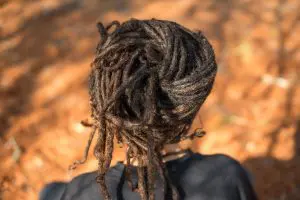
Protective hairstyles get promoted as the solution to keeping hair healthy while accommodating styling desires, but protective styling only works when executed correctly. The wrong technique, improper tension, or extended wear can actually damage hair more than traditional styling. Understanding how to style your hair protectively requires knowing which styles genuinely protect, how to install them safely, and how long to wear them.
1. Loose braids distributed across your scalp
Box braids and cornrows protect hair by minimizing manipulation and reducing daily contact with heat, products, and friction. The key word is loose—tight braids that pull damage hair by creating tension that stresses follicles and breaks strands. Loose braids that sit gently against your scalp provide protection without damage.
Installation matters enormously. Braids should be braided loosely enough that you can slide a finger comfortably between the braid and your scalp. If you feel tension, the braids are too tight. Having a professional install braids ensures proper tension that protects without damaging. Wear braids for 6-8 weeks maximum to prevent product buildup and dirt accumulation that damages hair.
2. Twist styles with minimal tension
Two-strand twists, senegalese twists, and Havana twists protect hair similarly to braids while offering different aesthetic options. Again, loose installation that protects without pulling is crucial. Twists should twist around your hair gently rather than wrapping so tightly that you feel constant scalp tension.
Protective benefits come from reduced manipulation—your hair stays in the same style for weeks without daily brushing, straightening, or curling. This reduced daily stress allows hair to strengthen and retain length. Professional installation typically produces better results than DIY attempts.
3. Cornrows with loose tension
Cornrows, when installed with loose tension, provide excellent protection by keeping hair in a consistent style without daily manipulation. The braiding technique keeps your own hair protected within the braid structure, reducing exposure to friction, heat, and environmental stressors.
Tight cornrows that cause discomfort, scalp tenderness, or visible hair loss at the edges damage your hair. If cornrows cause headaches, scalp pain, or visible tension-related hair loss, they’re too tight and should be immediately removed.
4. Bun styles with secure but gentle securing
High buns and low buns protect hair when secured gently without excessive tension. The bun should sit securely enough to stay in place throughout your day without constant readjustment, but not so tightly that it pulls uncomfortably.
Secure your bun with soft scrunchies, hair sticks, or bobby pins rather than tight elastics. Avoid creating buns so tight that you feel tension headaches. Switch your bun placement regularly—alternating between high and low—prevents repeated stress on the same hair follicles.
5. Faux locs or braids with realistic length and tension
Faux locs and protective braids installed with synthetic hair protect hair by eliminating the need for daily styling or manipulation. Your natural hair remains protected inside the braid structure for weeks while you style the extensions however you prefer.
Protection comes from reduced manipulation, but heavy extensions can cause damage if they’re too heavy or left installed too long. Faux locs should feel lightweight enough to forget about—if you constantly feel their weight, they’re too heavy. Reinstall every 4-6 weeks to prevent buildup at roots.
What makes protective hairstyles actually protective
The underlying principle is reducing daily manipulation, heat damage, and environmental stress while allowing hair to strengthen. Any style worn too tightly, causing discomfort, or maintained too long actually damages hair more than leaving it down.
Protective benefits also require proper hair preparation before installation—deep conditioning, moisturizing, and starting with healthy hair. Installing protective styles on damaged, dry hair doesn’t protect it. Alternating between different protective styles every 4-6 weeks maintains protective benefits while preventing repetitive stress.
