


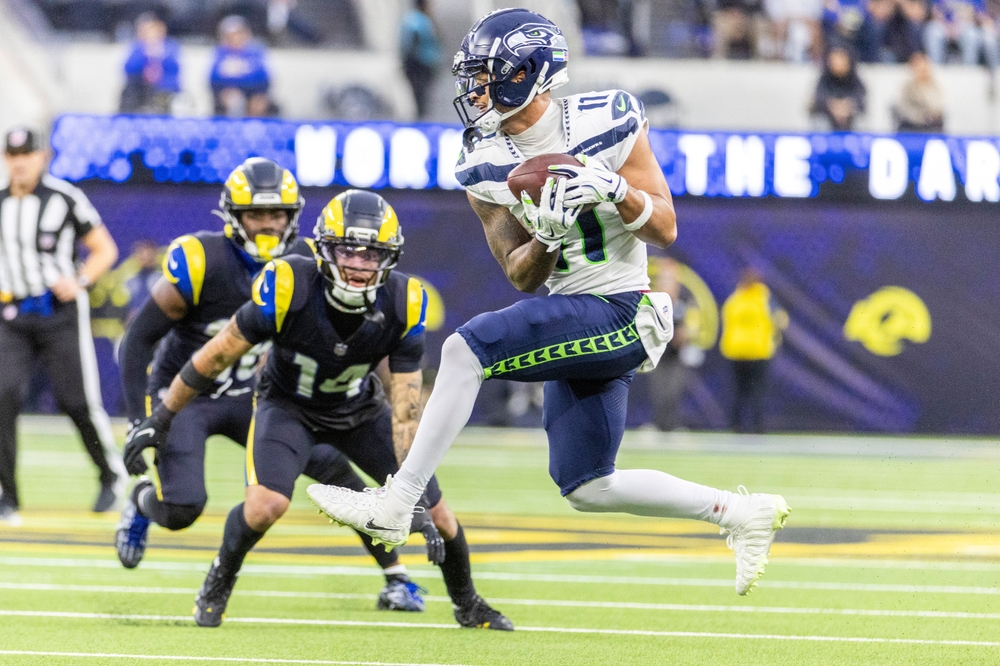
The Seattle Seahawks are officially on the market after winning the Super Bowl, making them the first team in NFL history to be put up for sale immediately after playing in the championship game. The Paul G. Allen Estate announced Wednesday that it has “commenced a formal sale process” for the franchise, which captured its second Lombardi Trophy by defeating New England 29-13 on February 8. The sale comes in accordance with late owner Paul Allen’s will, which specifically dictated that both the Seahawks and Portland Trail Blazers be sold, with all proceeds going to philanthropy rather than enriching the Allen family. This isn’t a normal offseason transaction. This is the execution of a billionaire’s final wishes turning a Super Bowl champion into a liquidated asset.
last month the Seahawks would be put on the market after Super Bowl LX, but the timing still feels surreal. The team just won the championship. The roster is intact. The momentum is real. And now they’re for sale. The Allen estate has selected investment bank Allen & Company and law firm Lathan & Watkins to lead the sale process, which is estimated to continue through the 2026 offseason. NFL owners will then need to ratify any final purchase agreement. So by the 2026-27 season, the Seahawks will have new ownership. That’s an extraordinary transition for a team that just proved it’s the best in football.
Jody Allen, Paul’s sister, has served as chair of the estate and controlled both the Seahawks and Trail Blazers since her brother’s death in 2018. She’s been the face of the organization during one of the franchise’s most successful periods. Now she’s essentially being forced to divest those teams not because they’re failures, but because of her brother’s philanthropic wishes. It’s a fascinating dynamic overseeing a championship while knowing the whole time that the championship will trigger a forced sale. That’s not how most owners operate. Most owners want to build legacies that stay within their families. Paul Allen wanted his legacy to be philanthropy.
The sale process won’t be simple, and there’s already been some noise about compliance issues. NFL commissioner Roger Goodell was asked about a potential Seahawks sale during Super Bowl week and specifically addressed a Wall Street Journal report claiming the organization was fined $5 million for ownership structure non-compliance with league rules. Goodell denied the fine, though he reported that any fine being levied was being held in abeyance essentially suspended pending the sale. The implication is that the estate’s temporary ownership structure may have violated some NFL regulations, but the league is waiting for the sale to fix it rather than punishing the team significantly.
The timing is genuinely unusual from a competitive perspective
Most NFL sales happen when teams are struggling or when owners pass away naturally. Selling a Super Bowl champion while that team is at peak competitive value is rare. The new owner will essentially be inheriting a ready-made contender rather than needing to rebuild. That makes the Seahawks an attractive asset despite the immediate disruption of changing ownership.
The Portland Trail Blazers are on a similar timeline
Bert Kolde, vice chair of the Allen estate, said during Super Bowl week that the Blazers sale is on track to be finalized in the spring. So the estate is simultaneously liquidating both major sports franchises in accordance with Paul Allen’s philanthropic directives. By mid-2026, the Allen family will no longer own either team. Everything goes to charity instead.
What’s remarkable is that Paul Allen’s will is basically being executed in real-time across two major sports franchises. He created a situation where his death triggered an eventual forced sale. Jody Allen is executing that vision while managing a Super Bowl championship. The Seahawks’ victory is bittersweet it proves the organization is excellent, but that excellence has sealed its fate. The team is for sale because it won. That’s the Paul Allen legacy: championship followed by divestment followed by philanthropy.
It’s an unusual way to end an ownership era.
