


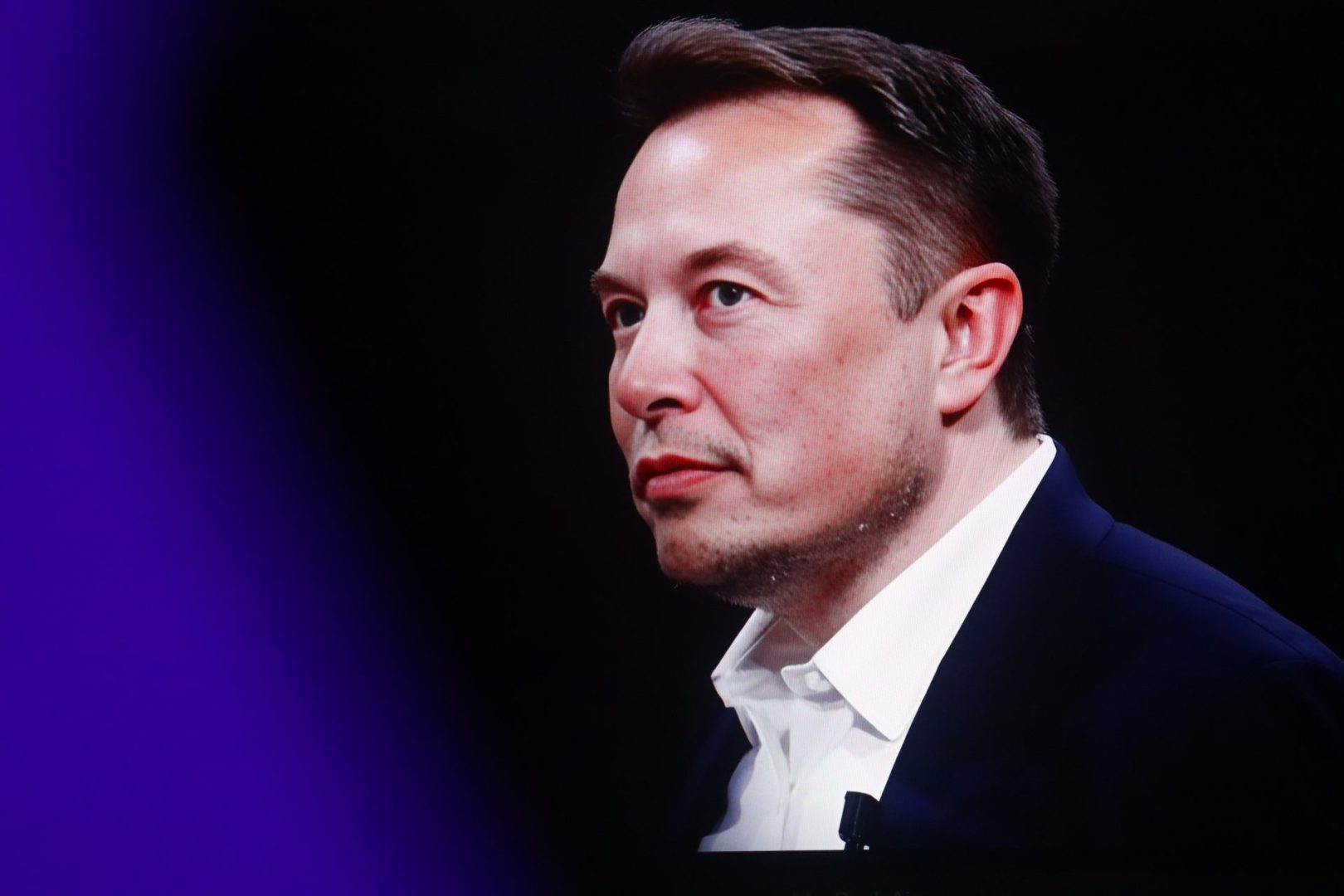
SpaceX is preparing to go public in what could become the largest initial public offering in history. The company outlined the contours of its plans during a meeting with its banking team this week, revealing an ambition to raise $75 billion at a valuation as high as $1.75 trillion. If achieved, that figure would far surpass the previous record set by Saudi Aramco, which raised $29 billion in its 2019 offering.
The roadshow is expected to launch the week of June 8, when company executives and their banking partners will begin pitching the offering to institutional investors. SpaceX plans to release its prospectus publicly in late May, with the final structure of the deal and exact retail allocations to be confirmed closer to launch. Approximately 125 analysts from the 21 banks involved in the deal are expected to meet with the company in the days prior. Morgan Stanley, Bank of America, Citigroup, JPMorgan, and Goldman Sachs are leading the offering as active bookrunners.
SpaceX opens the door wider for retail investors
One of the most unusual elements of the SpaceX offering is how it intends to treat smaller investors. Most major IPOs reserve between five and ten percent of available shares for retail participation. SpaceX is said to be targeting an allocation of up to 30 percent for everyday investors, a figure that would be roughly triple the industry standard and represents a deliberate departure from the way Wall Street has traditionally structured these events.
The company is also planning a large-scale retail investor event in June, with around 1,500 participants expected to attend. Retail investors in the United Kingdom, the European Union, Australia, Canada, Japan, and South Korea would also have the opportunity to participate in the offering, extending the reach of the deal well beyond American markets. Morgan Stanley’s E*TRADE platform is expected to manage domestic retail access, with Bank of America handling high-net-worth individuals and family offices, and Citigroup overseeing international retail channels.
The strategy reflects the enormous and loyal following that Elon Musk, who leads SpaceX alongside his roles at Tesla and other ventures, has cultivated among individual investors over the years. Tesla remains one of the most widely held stocks on retail brokerage platforms, and SpaceX appears to be leaning into that dynamic directly.
SpaceX and the valuation question
The $1.75 trillion target represents a substantial jump from the $1.25 trillion combined valuation assigned when SpaceX merged with Musk’s artificial intelligence company xAI earlier this year. That merger brought the Grok AI platform and the social media platform X, formerly known as Twitter, under the SpaceX umbrella. As recently as December 2025, SpaceX’s standalone valuation in a tender offer was listed at $800 billion.
The financial case for that kind of valuation rests heavily on future potential rather than current earnings. SpaceX reported approximately $8 billion in net income on up to $16 billion in revenue in 2025, a strong showing for a private aerospace company but a modest figure relative to what a nearly $2 trillion valuation implies. Investors buying in at that level are making a bet on the company’s ability to expand dramatically into new markets, much the way early Tesla investors wagered on the future of electric vehicles before the sector reached maturity.
SpaceX
The company’s core businesses remain formidable. Its reusable rocket program has reshaped the economics of space launch, and Starlink, its low-orbit satellite internet network, has grown into a globally significant communications infrastructure. Those assets give the offering a foundation that pure speculation could not provide, though the gap between current earnings and implied valuation will inevitably be part of the conversation as the roadshow unfolds.
For retail investors drawn in by the excitement of the moment, financial observers note that early entry into high-profile IPOs does not always translate into long-term gains. Lock-up periods that restrict insider selling tend to expire months after an offering, and those moments have historically created opportunities to buy at lower prices. Whether the enthusiasm surrounding the SpaceX offering sustains itself past that window remains one of the more interesting questions heading into the summer.
