


One bug from Shanghai adapted to chaos so well it conquered the northeast like it was nothing
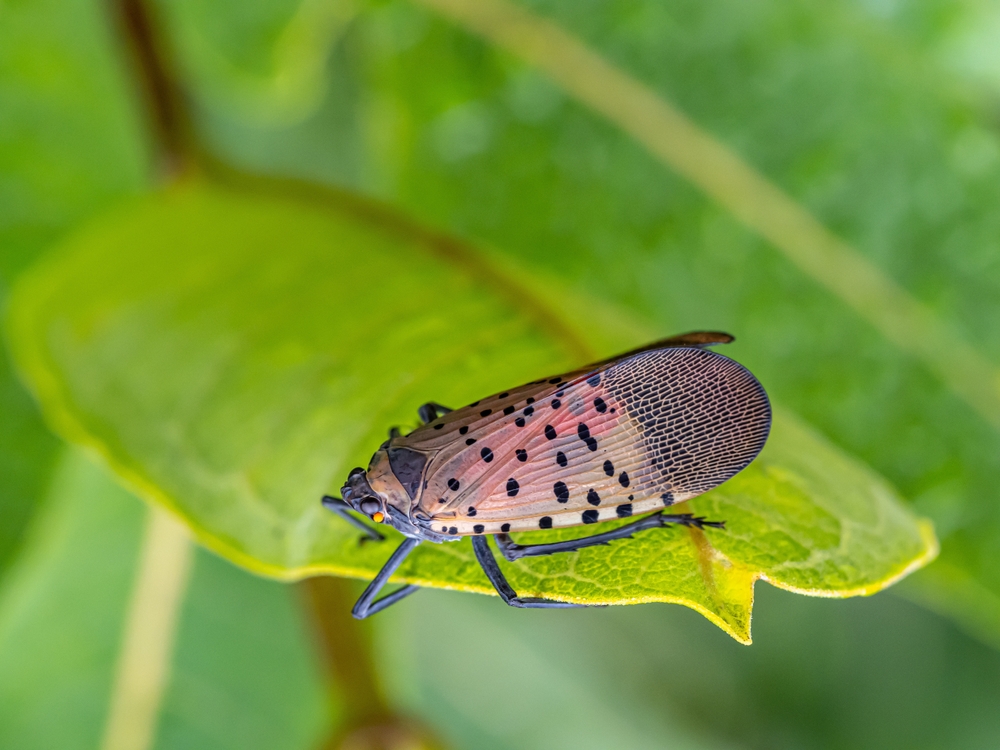
The Northeast has a spotted lanternfly problem that’s about to get a lot worse. These distinctive insects identified by their spotted wings and piercing mouthparts arrived in the U.S. around 2014, probably tucked inside a shipment of stone from South Korea heading to Pennsylvania. Since then, they’ve multiplied exponentially, swarming urban regions from Boston to Providence and everywhere in between. Now scientists have figured out exactly why these pests are so impossibly hard to stop: they basically practiced conquering cities before they ever got here.
New genomic research published in The Royal Society journal reveals that spotted lanternflies likely spent years adapting to urban life in Shanghai, China dealing with heat, pollution, and pesticides before hitching a ride to America. That pre-existing urban adaptation gave them a massive head start when they landed in Northeast cities, which presented basically the same environmental stressors they’d already learned to survive. “They were adapting to thrive in urban environments in the native range, and that primed them then to be successful in whatever the next urban environment they landed in,” said Kristen Winchell, an associate professor of biology at New York University and co-author of the research.
Think of it like a fighter training in one climate and then getting dropped into a slightly different one. They already know how to handle heat, pollution, and stress. The Northeast? Same challenges, different skyline.
What makes this especially terrifying is the genetic angle
Normally, invasive species with low genetic diversity should struggle to adapt and spread. The spotted lanternfly population arrived through a single introduction, meaning they’re all basically genetic copies of each other about 125 miles of sameness across their entire U.S. range. By every rule of evolutionary biology, that shouldn’t work. They should be constrained, struggling, limited. Instead, they’re thriving. “The loss of genetic diversity in this population, which should theoretically constrain any sort of adaptation or variation in traits in the invasive environment, should possibly limit their spread,” Winchell said. Except it didn’t.
The biomechanics of their spread is almost too efficient
Female lanternflies carry massive numbers of eggs, and they’re hitchhikers extraordinaries. They’ve been spotted on trains, ferries, and human backpacks. All it takes is one female laying a successful clutch, and you’ve got a new invasion point. Scientists expect them to spread west next toward Chicago, which means this problem is literally just getting started.
The damage they do is insidious
Lanternflies feed on tree sap using those piercing mouthparts, but the real destruction comes from their excrement. It’s packed with sugar, and it stains trees while blocking photosynthesis. Eventually, it suffocates the trees from the inside out. They prefer Tree of Heaven another invasive species from Asia but they absolutely devastate apple orchards, maple trees, and vineyards that are economically vital to the Northeast.
The ecological nightmare gets worse. Lanternflies can actually sequester toxins from Tree of Heaven, making them poisonous to animals that eat them. This contamination ripples up the food chain, disrupting natural predator-prey relationships and ecosystem balance. It’s not just about the bugs; it’s about everything connected to them.
The science is clear that urban management efforts are necessary to stop further spread, but there’s only one tactic that actually works right now: squishing them on sight. It sounds absurdly simple, but when you’re dealing with an insect that defies genetic constraints and has already conquered urban environments across an entire continent, simple is sometimes all you’ve got. Researchers say the advice remains unchanged: if you see a spotted lanternfly, kill it immediately. One female, one successful clutch, and you’re looking at a new infestation zone.
The lanternflies have already won the battle for the Northeast. The real question now is whether they can be stopped before they take over everything else.
