


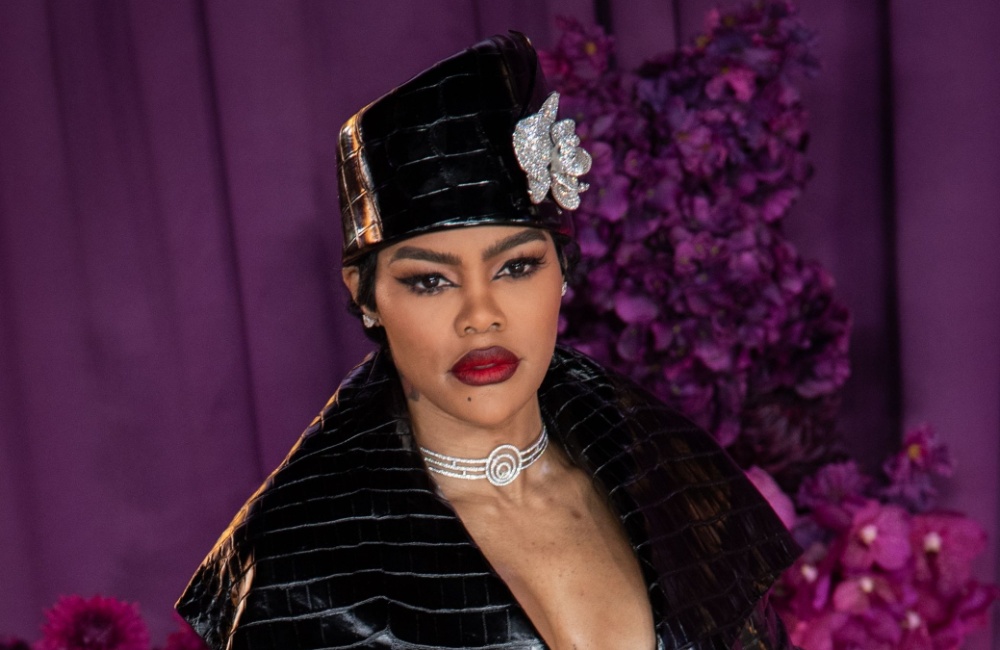
When Amy Madigan was announced as the winner of Best Supporting Actress at this year’s Academy Awards, Taylor was on her feet immediately, applauding with the kind of energy most people reserve for their own victories. The moment was caught on camera and circulated online, and rather than drawing admiration, it drew suspicion. Some viewers found her reaction excessive or difficult to read. The criticism that followed prompted Taylor to respond directly.
Taylor hits back online
Taylor took to social media to address the noise, framing the reaction from critics as a reflection of their own relationship with losing rather than anything unusual about her behavior. She suggested that genuine sportsmanship had become so rare that when people actually witnessed it, they did not know what they were looking at. She described it as unsettling to those who had grown comfortable with bitterness and described real joy as something that requires an inner steadiness many people have never developed.
Her message drew a clear line between two kinds of people: those who can celebrate someone else’s win without diminishing their own worth, and those who cannot. She made it plain which side she was on and why she had no interest in performing grief for an audience that expected it.
A night of consistent joy
What made the moment with Madigan even harder to misread was how it fit into Taylor’s entire evening. From the opening of the ceremony at the Dolby Theater in Los Angeles, she was visibly engaged and enthusiastic. When Michael B. Jordan took the stage to accept Best Actor for his work in Sinners, Taylor was again among the loudest voices in the room cheering him on.
The energy she brought was not manufactured for the cameras. It matched the tone she had been carrying all night and the tone she had shown at the SAG Awards earlier in the month, where she clapped and danced as the Sinners cast celebrated their win.
The night ended on top
The full arc of Taylor’s Oscars night is worth noting. She arrived nominated, lost in her category, spent the evening cheering on her peers with genuine warmth and then walked up to the stage at the end of the night as part of the One Battle After Another cast to accept Best Picture. The film took the top honor of the evening, and Taylor was there for all of it, from the first loss to the final win.
That kind of emotional consistency is not something that can be faked across an entire broadcast. What viewers saw was a person who had clearly decided before she ever sat down that the night was not going to be defined by one outcome in one category. It was a choice, and she made it look effortless.
The criticism she faced afterward said less about her reaction than about the expectations people bring to watching public figures navigate disappointment. Taylor’s response made that point plainly and without apology. Grace, she suggested, is not something you perform for approval. It is something you either have or you do not.
