


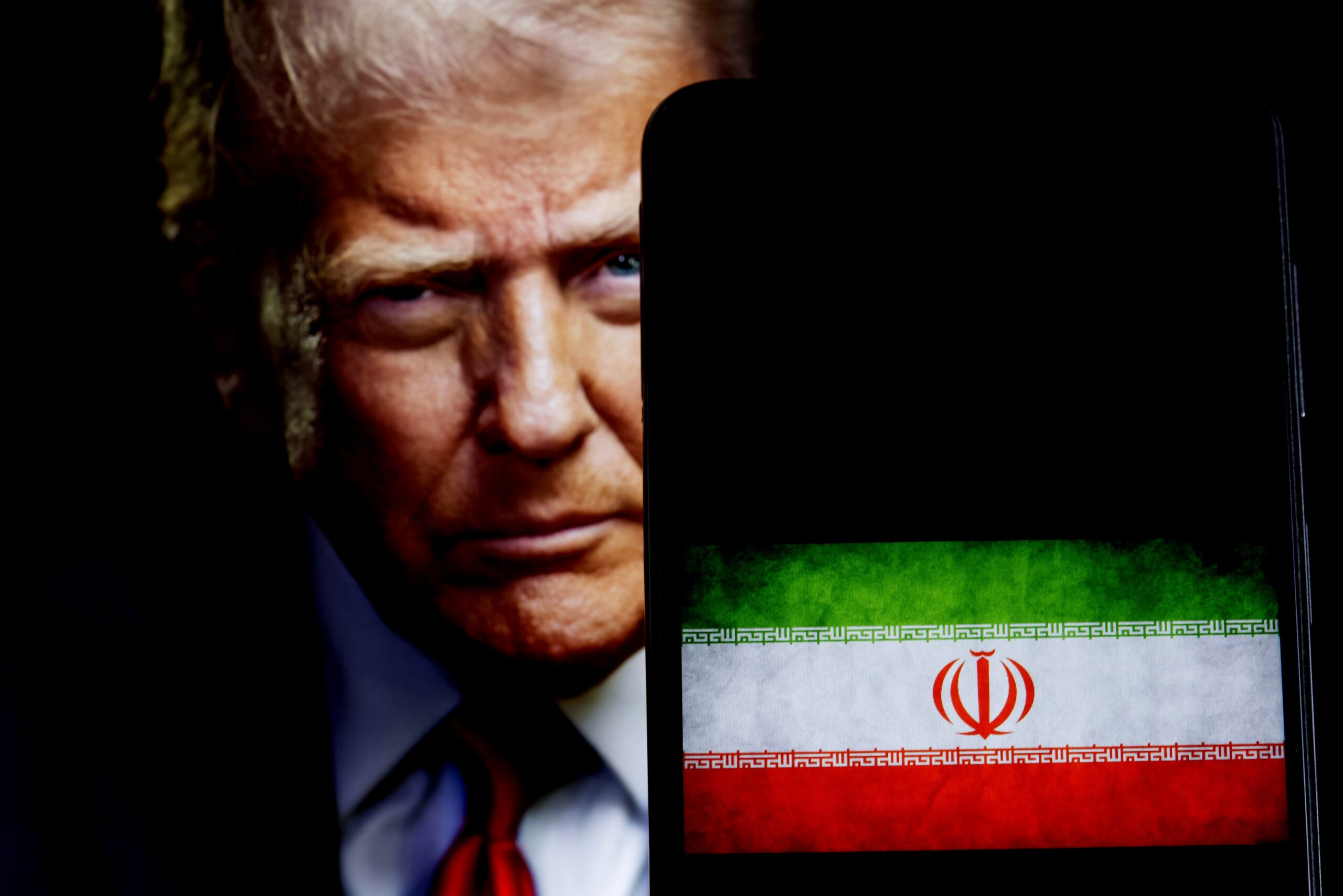
Thirteen days into an active Middle Eastern war, neither Washington nor Tehran is showing any sign of slowing down. On one side, the American president took to social media to declare that keeping Iran from obtaining nuclear weapons matters far more to him than the rising cost of oil. On the other, Iran’s newly appointed supreme leader, Mojtaba Khamenei, made his first public statement since assuming power, vowing to keep the Strait of Hormuz effectively sealed and threatening to open new fronts in the conflict if the United States and Israel continue their assault.
The exchange set a grim tone for energy markets, which had already been rattled by weeks of instability. Brent crude closed above $100 per barrel for the first time since August 2022, surging more than 9% in a single session. American crude futures also settled at their highest point in more than three years. Relief, for now, is nowhere in sight.
Hormuz and the world’s energy lifeline
The Strait of Hormuz, through which roughly one fifth of the world’s oil and natural gas typically flows, has been nearly impassable since the first strikes on February 28. Saudi Arabia, Iraq, Kuwait and the United Arab Emirates have all been forced to reduce output. The International Energy Agency has described the resulting disruption as the largest oil supply shock in market history, estimating that 7.5% of global production has been affected.
Ports in Oman and along the eastern coast of the UAE are now serving as emergency alternatives, funneling goods around the bottleneck. The United States Navy is reportedly preparing to escort tankers through the strait by the end of the month, a move that could offer some relief but arrives against a backdrop of rapidly escalating danger. Three commercial vessels were struck in the Arabian Gulf within a 24-hour window, and British defense officials stated that Iran has likely begun placing naval mines in the waterway, a claim Iran’s government denied.
The cost of war
The financial toll of the conflict is staggering and growing by the day. American officials informed lawmakers that the first six days of military operations cost more than $11.3 billion. Roughly 6,000 targets have been struck by the United States and Israel since operations began. The broader fallout has included thousands of flight cancellations, disrupted shipments of fertilizer and other critical goods, and a surge in gasoline prices that has pushed the national average to $3.60 per gallon, the highest level since May 2024.
In an attempt to cool markets, the Trump administration announced a second authorization allowing buyers to accept Russian oil tankers already at sea, framing it as a short-term measure with limited financial benefit to Moscow. An emergency release of 400 million barrels from international reserves, approved by the IEA, was also announced. Neither move meaningfully calmed traders.
Widening casualties and a war without an endgame
The human cost is mounting on multiple fronts. Approximately 2,500 people have been killed across the region since fighting began. At least 1,825 of those deaths have been recorded inside Iran. The United Nations refugee agency estimates that as many as 3.2 million Iranians have been temporarily displaced. In Lebanon, where Israel has been running a parallel campaign against Hezbollah since March 2, at least 634 people have been killed. Seven American service members have lost their lives. France confirmed that one of its soldiers was killed and several others were wounded during an attack in the Erbil region of Iraq.
Dubai, long considered a stable financial and tourist haven, reported at least two missile strikes Thursday morning. Kuwait said several drones were fired at its international airport, causing material damage. A United States Air Force KC-135 refueling aircraft also crashed in western Iraq, though officials stated the incident was not the result of hostile or friendly fire.
Back-channel negotiations aimed at reopening the strait remain far from productive. Russia, meanwhile, has been sharing intelligence with Iran, including satellite imagery and drone targeting data, deepening the alignment between Washington’s two most prominent adversaries as the war shows no signs of winding down.
