


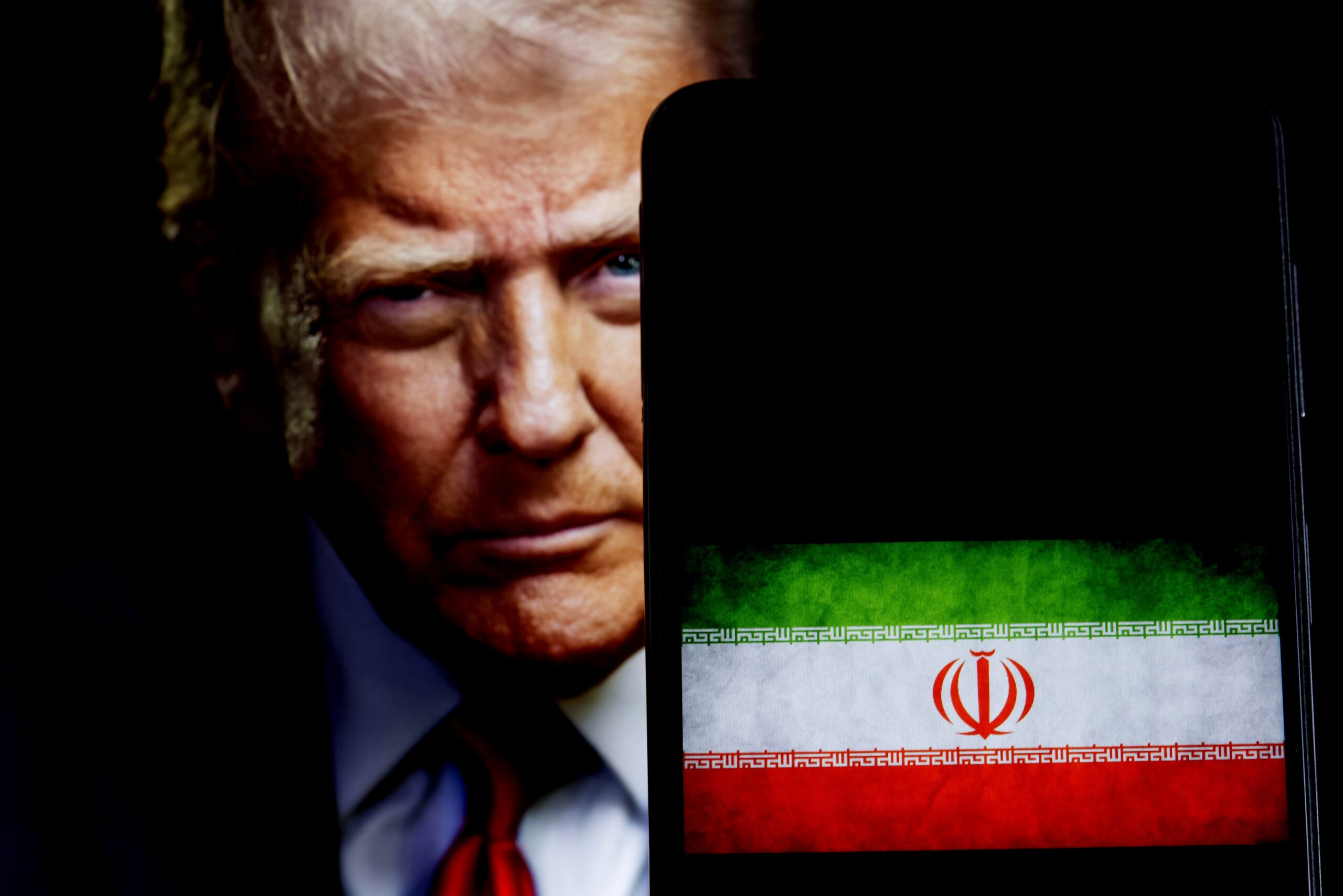
Four days into a military campaign against Iran, the United States is staring down an estimated $200 billion price tag and a question even the president cannot answer: what happens next?
Since strikes began targeting Iran’s leadership on a Saturday, the administration has offered shifting justifications for the campaign. Officials stopped short of explicitly framing it as a regime-change operation, yet the outcome has effectively functioned as one. Reports suggest the initial strikes alone killed dozens of senior Iranian officials, gutting the country’s top leadership structure in a matter of hours.
The defense secretary reinforced that framing publicly early in the week, telling audiences the regime had changed even if that was never the stated mission. But for all the military momentum, the White House has yet to offer a convincing picture of what a post-conflict Iran is supposed to look like, or who is supposed to lead it.
The president himself gave voice to that uncertainty in remarks on Tuesday, describing what he called the worst-case outcome: going through all of this only to see someone equally dangerous step into the vacuum. He acknowledged that discovering five years from now that nothing had changed would represent a profound failure. It was a rare and striking admission from a sitting commander in chief mid-campaign.
A price tag and a growing unease
The financial stakes make that uncertainty harder to dismiss. Economists have estimated the total economic toll on the United States could reach as high as $210 billion, factoring in direct military spending of up to $95 billion alongside sweeping disruptions to trade, energy markets, and global financial conditions. A prolonged conflict that draws in additional regional actors could push those figures considerably higher, and experts have warned that sustained oil and gas disruptions in the Middle East risk driving up inflation and dragging on economic growth worldwide.
The strain is already showing up at home. U.S. gas prices jumped more than a dime overnight on Tuesday alone. The president expressed confidence that oil prices would eventually fall below pre-war levels, but the immediate picture is one of rising costs and deepening uncertainty.
Americans and allies grow restless
Public support for the campaign is fragile. A Reuters/Ipsos poll found that 43% of Americans disapprove of the war. A separate CBS survey conducted earlier this week found that nearly two-thirds of Americans do not believe the administration has clearly explained what its military goals in Iran actually are.
That skepticism has found a home on Capitol Hill as well. Several lawmakers have raised pointed concerns about the absence of an endgame, with some comparing the situation to breaking something valuable and leaving others to figure out how to reassemble it. Others have called the approach incredibly costly with no clear return outlined.
Abroad, the backlash has been equally sharp. Key allies including Spain and the United Kingdom declined to take part in the initial strikes. Spain’s prime minister publicly declared the war a violation of international law, a rebuke that drew a sharp trade threat from Washington in response.
The vacuum nobody planned for
Perhaps the most pressing concern is what fills the leadership void that the strikes have created. Analysts and commentators have raised alarms that without active support for Iranian civil society or democratic institutions, the space left behind could be claimed by hardline factions within Iran’s security apparatus or other extremist groups.
That risk is compounded by decisions made well before the first strike. Funding cuts to international broadcasting services that had long delivered independent news to Iranian citizens in their own language eliminated one of the few tools that could have supported a more informed public in a moment of national transition.
Trump’s war may have changed the regime. Whether it changes Iran is a far harder and more expensive question, one that nobody in Washington appears ready to answer.
