


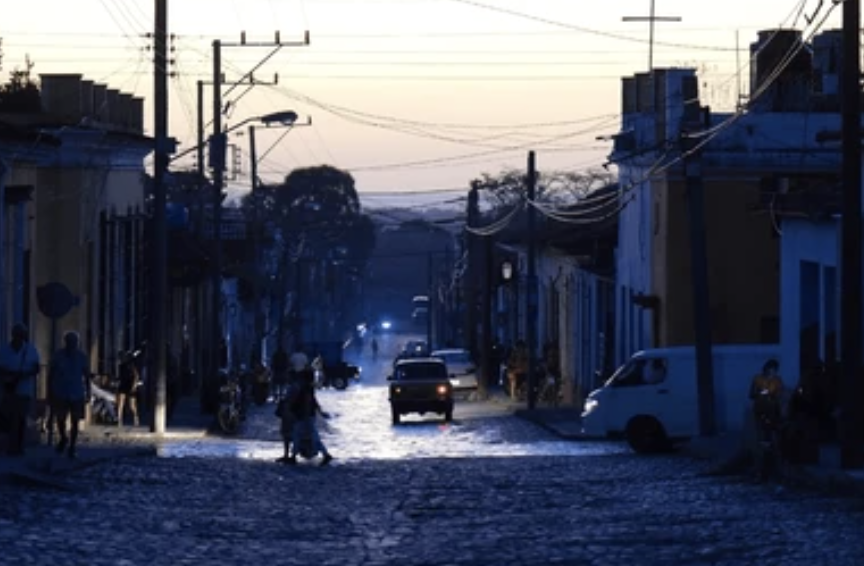
Cuba is in the dark, and not just figuratively. A total collapse of the national power grid plunged the Caribbean island into blackout this week, deepening an already devastating economic crisis fueled by a U.S. oil embargo that has choked the country’s energy supply since the start of the year. For a nation of 9.6 million people already navigating chronic shortages and crumbling infrastructure, the timing could not have been worse.
Against that backdrop, President Donald Trump made his most pointed declaration yet about the island, telling reporters at the White House that he believes he will have the honor of taking Cuba. He suggested he could free it or simply take it, describing the country as very weakened right now. It was a striking statement, even by the standards of a president known for bold proclamations, and it landed at a moment when Havana’s communist government is under more sustained pressure than it has faced in nearly seven decades.
Cuba’s power grid pushed to collapse
Cuba’s electricity infrastructure has been deteriorating for years, and daily outages lasting up to 20 hours are now a grim fact of life in parts of the country. But the situation took a sharp turn for the worse after Venezuela’s Nicolas Maduro, long Cuba’s most vital oil supplier and ideological ally, was removed from power in early January. The Trump administration moved swiftly, maintaining what amounts to a de facto oil blockade against the island.
No fuel has entered Cuba since January 9. The ripple effects have been severe and wide-ranging. Airlines have pulled back on flights, dealing a serious blow to tourism, one of the few sectors that had been generating any meaningful revenue. Gasoline is being rationed nationwide. Some hospital services have been scaled back due to fuel shortages, raising alarms among health workers and families alike. The national electricity agency confirmed the full grid shutdown this week and said restoration efforts were underway, though complete collapses of this kind have become disturbingly routine.
Cuba opens the door to exile investment
Facing pressure on every front, the Cuban government announced a significant policy shift Monday. Cuban exiles would now be permitted to invest and own businesses on the island, with officials signaling a new openness to commercial relationships with individuals of Cuban descent living in the United States. It was a notable concession from a government that has long kept tight control over private enterprise and foreign involvement in its economy.
The move appears carefully calibrated to ease tensions with Washington, which has made a leadership change in Havana an explicit priority. President Miguel Diaz-Canel confirmed last week that his government has held direct talks with the United States, a rare and telling admission from a administration that has historically resisted any appearance of yielding to American demands.
Cuba’s streets grow restless
The blackouts, combined with chronic shortages of food and medicine, are pushing ordinary Cubans to a breaking point. A new wave of protests has taken hold across the island, with residents banging pots and pans in the streets after dark and chanting calls for freedom. Last weekend, demonstrators vandalized a regional Communist Party office in the eastern town of Moron, a rare and visceral act of public defiance. Fourteen people were arrested in connection with the incident.
Diaz-Canel publicly acknowledged the frustration felt by citizens over the prolonged outages while drawing a firm line against political violence. His government finds itself caught between a population that is rapidly losing patience and a White House that is applying pressure from every available angle.
Trump suggested a deal with Cuba could arrive soon, hinting it may follow his administration’s current focus on Iran. He offered no specifics on what such a deal would look like or what taking the island would mean in practice. For a country that has resisted U.S. pressure for nearly seven decades, this moment feels different. The lights are out, the fuel is gone, and Washington is watching very closely.
