


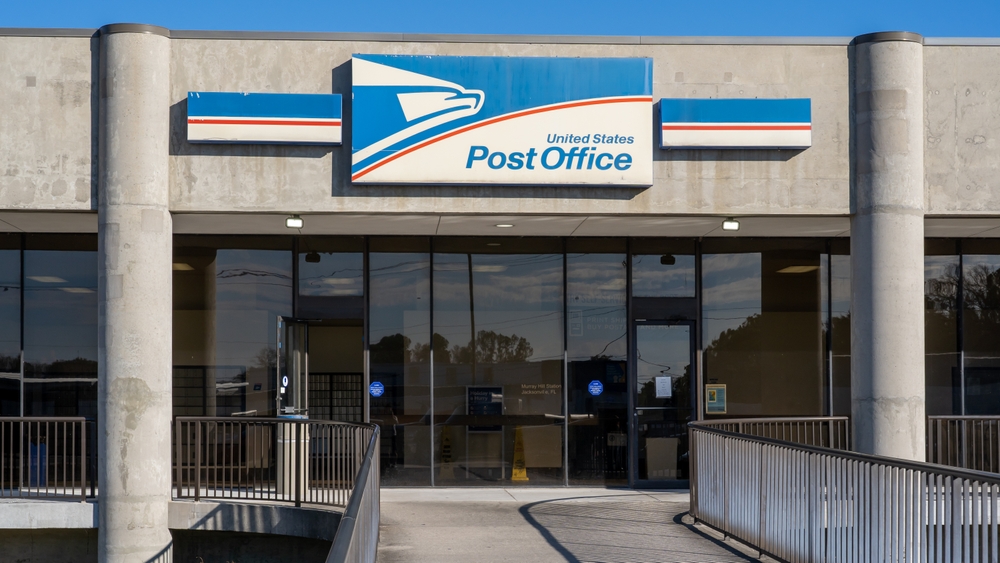
The U.S. Postal Service took an extraordinary step Today, announcing it would immediately suspend employer contributions to the defined benefit portion of the Federal Employees Retirement System. The move, effective April 10, is expected to conserve roughly $2.5 billion through the end of the fiscal year on September 30. It is the most visible sign yet of how severe the agency’s financial situation has become.
USPS notified the White House Office of Personnel Management of the decision, which stops biweekly payments of approximately $200 million that the agency had been making as its share of employee pension funding. The agency stressed that worker contributions to FERS will continue without interruption, as will employer automatic and matching contributions and employee contributions to the Thrift Savings Plan.
How USPS arrived at this point
The financial deterioration at USPS has been building for nearly two decades. Since 2007, the agency has accumulated net losses exceeding $118 billion. The primary driver is the collapse of first-class mail volume, which has fallen to its lowest point since the late 1960s. That decline has accelerated steadily as businesses and consumers shifted to digital communication, leaving USPS with a shrinking revenue base against a cost structure that has not kept pace.
The most recent quarterly report, released in February, showed a loss of $1.25 billion for that period alone. The agency closed out 2025 with a $9 billion annual loss. A 10-year financial recovery plan has been in place, but the math has not been improving quickly enough to prevent the current liquidity crunch.
USPS Chief Financial Officer Luke Grossmann framed the pension suspension in direct terms, arguing that the risk to postal operations from running short on cash is more immediate and serious than any longer-term risk the pause creates for pension fund stability. The agency described the halt as temporary and said current and future retirees should not expect an immediate impact.
What Congress has been told about the cash deadline
Postmaster General David Steiner testified before Congress last month that without meaningful intervention, USPS could run out of cash as soon as February. That testimony put two specific remedies on the table. The first is raising the price of a first-class stamp from its current 78 cents to as much as 95 cents or one dollar. The second is reducing mail delivery from six days per week to five or fewer.
Stamp prices have already risen 46% since early 2019, when a first-class stamp cost 50 cents. Steiner acknowledged the trajectory but argued that American postage remains well below comparable rates in other countries. The possibility of a full delivery stoppage, Steiner warned, is real if the financial picture does not improve.
Surcharges already approved and in motion
USPS is not waiting on Congress to address all of its cost pressures. The Postal Regulatory Commission approved a temporary 8% price increase on priority mail and package deliveries earlier this week. That surcharge takes effect April 26 and is set to remain in place through January 17, 2027. It is designed to offset rising fuel and transportation costs, which have been elevated in part by the impact of the Iran war on global oil prices. USPS spokesman David Walton described it as the agency’s first fuel surcharge in its history.
The pension freeze and the new surcharges together reflect an agency operating in active financial triage. Each measure buys time, but none of them resolves the underlying structural problem.
What happens next for USPS
The suspension of FERS contributions is characterized by the agency as temporary, and USPS remains better funded on its pension obligations than many other federal agencies, according to Grossmann. Whether the pause stays temporary depends on what Congress does in the coming months and whether pricing and delivery reforms move forward in any meaningful way.
For now, the postal service is preserving day-to-day operations by deferring long-term obligations, a calculation that reflects just how narrow its financial margins have become.
