


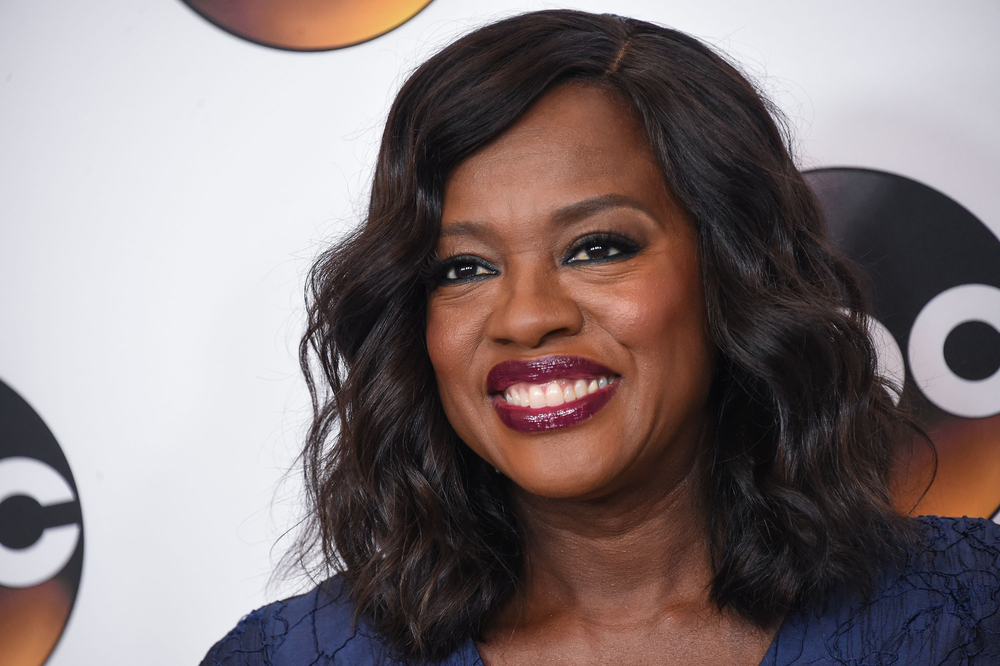
Viola Davis has spent decades earning the kind of credits that stop a conversation — an Oscar, an Emmy, a Grammy, a Tony. Now she is adding one more. The EGOT-winning actress has co-written her debut novel, Judge Stone, alongside bestselling author James Patterson, and says the collaboration came together the way most meaningful things do: unexpectedly.
Davis, who describes herself as a committed homebody and self-professed introvert, told CBS News she was not looking for a writing partner so much as she found one. The two could not be more different on paper. Patterson is the most commercially successful novelist in American history. Davis is an actress who trained for the stage and built a career on raw emotional precision. And yet, she said, they connected.
Patterson put it simply. Magic, he noted, tends to happen when people stay open to it.
Judge Stone takes on subjects most writers avoid
The novel centers on a Black female circuit judge in a small Alabama town who presides over a case involving a teenage girl who is raped and later obtains an illegal abortion. The subject matter is not accidental. Patterson said that is exactly the point — to bring sustained, thoughtful attention to conversations that tend to get reduced to noise.
Davis said she felt a specific responsibility while building the victim’s story. She has spoken before about her own experience with sexual assault, and she brought that directly into the writing. She told CBS News that survivors deserve more than sympathy. They deserve the truth of what that experience actually feels like.
The book releases this week, and Patterson said he believes the collaboration produced something neither of them would have made separately. He used the word great, and did not walk it back.
Davis has wanted to write since she was nine years old
Long before she wanted to act, Davis wanted to write. Growing up in Central Falls, Rhode Island, she said the Bobbsey Twins books made her believe a person could build a life around storytelling. That instinct never went away. It fed her acting process, which includes writing full biographies for every character she plays. It fed her approach to Judge Stone, which draws on her own childhood and the insecurity she carried with her from a very young age.
She told CBS News that every part of her personal story found its way into the characters. She described feeling a duty to honor who she was at six years old — a girl who, despite her dimples, consistently felt unseen.
That same emotional raw material powered her through eight minutes of screen time in Doubt opposite Meryl Streep, earning her an Oscar nomination. It drove her through years of How to Get Away With Murder and her Oscar-winning performance in Fences. It now lives inside a legal thriller sitting in bookstores this week.
What comes after EGOT
Davis said she is not entirely sure what this chapter of her life is about. She mentioned the possibility of more writing. She mentioned travel. She mentioned the appeal of simply being a regular person for a while.
When asked whether Judge Stone signals the start of a second career, she left the door open without walking through it. What she was clear about is that the hardware she has collected over the years will not define how she is remembered. EGOT, she said, will not be on her gravestone. The word she wants there is simpler than any award. She wants beloved. And she says there is just enough space for it.
