


Mike Vrabel shut down the left tackle debates by committing to the rookie despite his rough performance against Seattle
Will Campbell had a terrible Super Bowl, and he knows it.
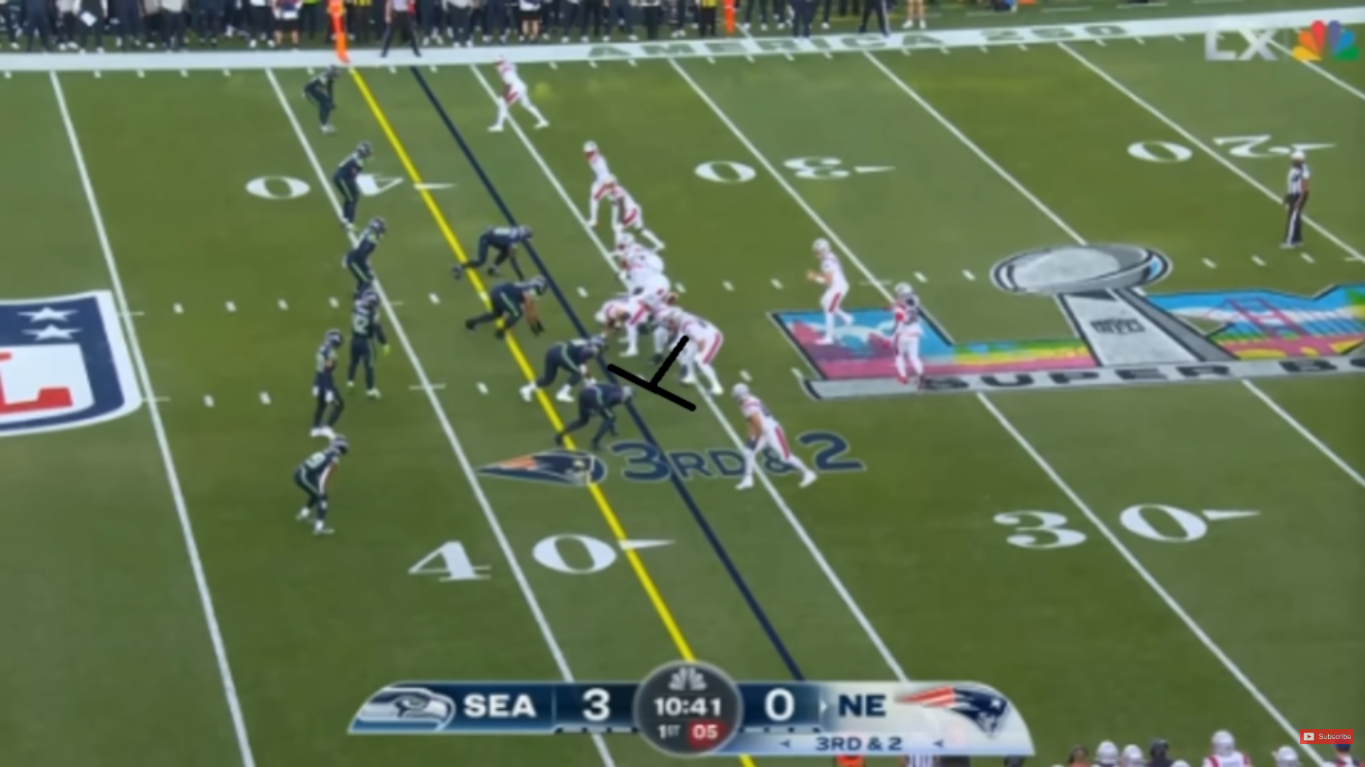
The Patriots’ left tackle, drafted fourth overall last year out of LSU, had multiple blocking miscues in New England’s 29-13 loss to the Seattle Seahawks in Super Bowl LX. That performance was bad enough to spark the kind of social media debate that always emerges when a young player struggles on football’s biggest stage. Some NFL teams had projected Campbell as a guard coming out of college. Suddenly, those projections were being resurrected by people wondering if maybe those teams were onto something and the Patriots got it wrong.
Then Mike Vrabel shut it down immediately. “We’re not moving Will to guard, or center or tight end or anywhere else,” the Patriots coach said Tuesday at his season-ending news conference. The message was crystal clear: we drafted this kid at left tackle, he’s staying at left tackle, and that conversation is over. No equivocation. No “we’ll see how it develops.” Just commitment.
Vrabel acknowledged that Campbell’s rookie season came with massive scrutiny, comparing the pressure to what quarterbacks, cornerbacks, and even head coaches face. “Will is 22 years old, he’s our left tackle, he’ll get better, he’ll get stronger,” Vrabel said. “There are moments he played well, moments he blocked the guy, there are plays he’d like to have back.” That’s the reality of being a fourth overall pick who struggles in a Super Bowl. Everyone’s watching. Everyone’s got an opinion. Everyone’s ready to question whether the team made the right choice.
Campbell’s immediate post-Super Bowl silence was telling
He didn’t speak to reporters right after the game, which generated its own questions and speculation. Was he upset? Was he embarrassed? Was he already thinking about those blocking miscues? On Tuesday, he addressed it directly and admitted his emotional state made him avoid the cameras. “When I get emotional, I tend to have no mind and that’s not the way that I need to approach this thing,” he explained. “So I slept on it. I watched it. I know what I got to get better at and move on.”
That’s maturity for a 22-year-old. He recognized that talking immediately after an emotional loss wouldn’t help anyone. He wanted time to process, watch the film, and understand what actually went wrong before facing the media. Most young players either do that or they don’t. Campbell made the right call, even if it generated a day of speculation about his mental state and commitment.
What makes Campbell’s situation more complicated is the injury he’s carrying
He tore a ligament in his knee back on November 23 against the Cincinnati Bengals. That’s a significant injury that typically impacts lateral movement and explosiveness exactly the things you need as a left tackle. Playing in the Super Bowl while managing that kind of injury is genuinely difficult. It’s not an excuse for the poor performance, but it’s context that matters.
Campbell understands the weight of expectations that come with being a top-five draft pick. “It comes with the job when you don’t perform. Obviously I was picked high, paid a lot, so people expect a certain thing. And I expect more myself,” he said. That’s the real story here. Campbell isn’t making excuses. He’s not blaming the injury. He’s not pointing fingers at his teammates or the Seahawks’ defense. He’s accepting that he played badly, that criticism is fair, and that he needs to be better.
“So whenever I don’t perform, I don’t expect everyone to be like, ‘It’s OK, buddy.’ Obviously it sucks, but it doesn’t suck for anyone more than it sucks for me,” he added. That’s a player who understands professional accountability. The Patriots organization clearly believes Campbell will learn from this experience and develop into the franchise left tackle they drafted him to be. Whether social media believes it is irrelevant.
