


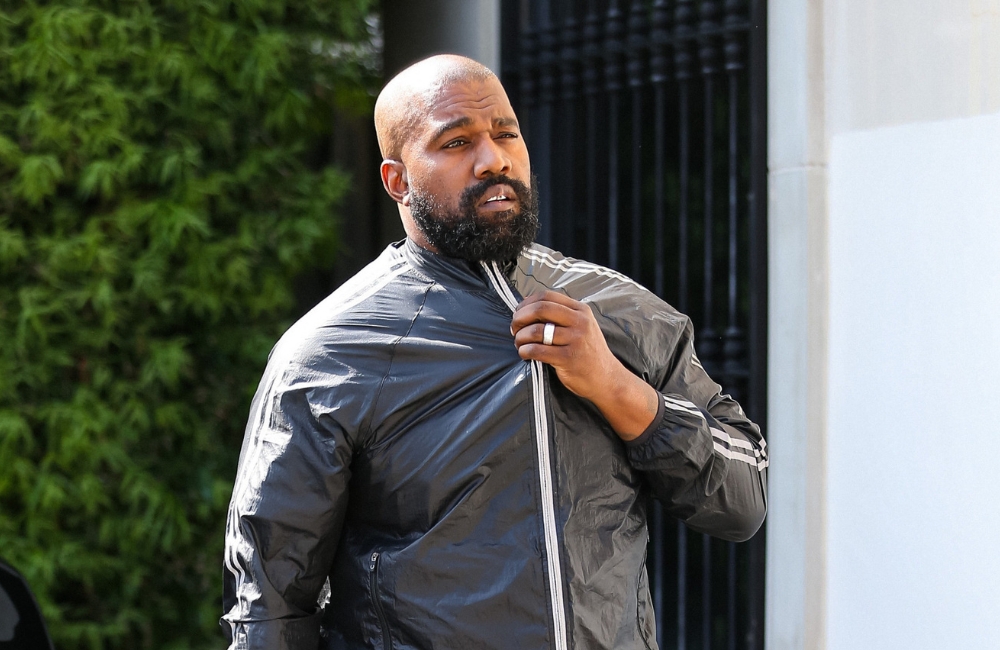
The United Kingdom’s Home Office made a decision that sent ripples through the music world this week, officially barring Ye from entering the country on the grounds that his presence would not be conducive to the public good. The ruling effectively collapsed three nights of the annual Wireless Festival, where the Chicago rapper had been booked as the headlining act. Major sponsors including Pepsi and Diageo had already pulled their support over Ye’s history of antisemitic remarks, and without a headliner, the event had nowhere to go.
Festival organizer Melvin Benn had initially defended the decision to book Ye, but the fallout proved too severe to survive. Ye, for his part, has made efforts to repair his relationship with the Jewish community alongside the release of his recent album Bully. The U.K. ban is not his first brush with international border restrictions. In July 2025, Australian officials canceled his visa following the release of a song that drew immediate and widespread condemnation.
Ye is not the first artist to find Britain’s doors firmly closed, and history suggests he will not be the last.
Snoop Dogg
In 2006 and again in 2007, Snoop Dogg was denied entry to the U.K. following an arrest at Heathrow Airport involving the rapper and members of his travel party. The incident forced the cancellation of international tour dates he had planned alongside Sean Combs. The ban was eventually lifted in 2008, and Snoop returned to performing in the country by 2010.
Busta Rhymes
Busta Rhymes was not officially banned but was denied entry in September 2008 ahead of a charity concert appearance due to unresolved convictions in the United States. He was held at the airport for 11 hours before a judge intervened and ruled he could stay for his performance. It was a narrow escape, and one that underscored how little margin artists with criminal records have when crossing international borders.
Chris Brown
Chris Brown’s path back to British stages was one of the longest on this list. He was blocked from entering the U.K. in 2010 following his 2009 felony conviction for assaulting Rihanna, a case the Home Office labeled a serious criminal offense. He remained locked out for over a decade before joining Wizkid onstage at the O2 Arena in November 2021. He performed at the Wireless Festival in 2022. Brown is currently set to stand trial in London in October over an alleged 2023 assault. He has pleaded not guilty.
Lil Wayne
Lil Wayne was blocked from a series of European concert dates in April 2011, shortly after his release from prison following an eight-month sentence for weapon possession. His application to enter the U.K. was rejected by the Border Agency. When he attempted a comeback appearance at the Strawberries and Creem festival in 2022, the Home Office again denied him entry. Ludacris stepped in as a replacement.
Tyler, the Creator
Tyler, the Creator revealed in September 2015 that he had been banned from the U.K. over early-career lyrics that authorities deemed unacceptable. Then-Home Secretary Theresa May was behind the decision. Tyler described the experience as dehumanizing. The ban was lifted in 2019 and the Grammy-winning artist returned to London stages to a very different reception than the one that had originally gotten him barred.
Tekashi 6ix9ine
In June 2018, Tekashi 6ix9ine was denied entry to the U.K. ahead of scheduled shows in London and Manchester. His team cited an immigration issue as the reason, and the venues confirmed that border officials had blocked him from entering the territory. The full details were never made public.
Benny the Butcher
In April 2022, Benny the Butcher announced on social media that he would be unable to perform a series of U.K. shows due to a combination of a recent felony charge and older federal records. He promised a documentary detailing the experience but offered few specifics at the time.
Ja Rule
Ja Rule went public with his frustration in February 2024 after being denied entry days before a scheduled U.K. tour. He said he had invested heavily in production costs and that promoters had assured him his prior convictions would not be a problem. They were. He urged fans to seek refunds and directed his anger at the system that, in his view, had failed him and his audience.
