


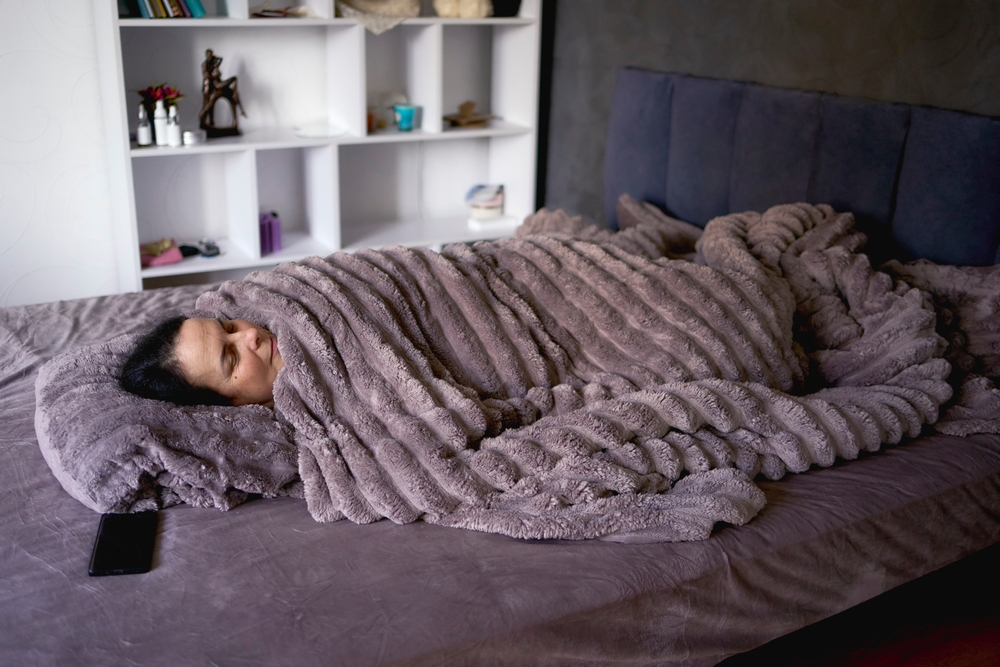
Weighted blankets have made their way onto Oprah’s Favorite Things list, earned endorsements from celebrities like Kourtney Kardashian, and become a wellness staple for thousands of people. But beneath the Instagram-worthy aesthetics and glowing testimonials lies a legitimate question: Do these heavy bedside additions actually deliver on their promises, or are they just an expensive comfort object?
The answer is more nuanced than a simple yes or no. Weighted blankets typically filled with glass beads, plastic pellets, or steel shot and ranging from 5 to 30 pounds do have scientific evidence supporting some of their claimed benefits. But the research also reveals important limitations and caveats about who they help and how much improvement you can realistically expect.
“I love weighted blankets and recommend them for many of my clients,” says Suzanne Wallach, LMFT, PsyD, a licensed psychotherapist and executive director of SoCal DBT. “The gentle and sometimes surprisingly firm pressure of a weighted blanket is akin to a hug. Using one helps move the nervous system out of fight-or-flight and signals to your body that it’s OK to relax.”
That description of a full-body hug isn’t just poetic. It’s actually grounded in physiology. Understanding how weighted blankets work requires understanding how your nervous system responds to pressure and sensory input.
The Science Behind the Pressure: How Weighted Blankets Actually Work
Interest in weighted blankets isn’t driven solely by social media or bedroom aesthetics. There is genuine scientific evidence for why these heavier blankets may feel calming. Research suggests that deep pressure stimulation firm, evenly distributed pressure on the body may influence the nervous system by promoting relaxation and reducing physiological stress responses.
When your nervous system perceives threat or danger real or imagined your body shifts into a stress response. That’s when your heart rate increases, your muscles tense, and cortisol floods your system. A weighted blanket can help “ground” your body by applying consistent pressure, potentially reducing stress and supporting relaxation.
Some studies suggest weighted blankets may be associated with changes in neurotransmitters such as serotonin and reductions in cortisol, your body’s primary stress hormone. While the mechanisms aren’t fully understood, these physiological responses help explain why many people find weighted blankets genuinely soothing rather than just psychologically comforting.
Do Weighted Blankets Actually Improve Sleep?
Getting enough high-quality sleep is crucial for overall health and notoriously difficult to achieve. While basics like a supportive mattress, comfortable bedding, and limiting caffeine and screen time are essential, some people turn to weighted blankets as an additional sleep aid.
For certain groups, the answer is yes. A 2024 review in Frontiers in Psychology found that among people with sleep disorders, ADHD, and autism, those who used weighted blankets saw improvements in sleep quality. One study in children with ADHD found that using a weighted blanket improved sleep quality and other aspects of daily functioning.
The benefits can create a positive cycle: feeling less anxious makes it easier to fall asleep, and better sleep supports mental health overall. For someone struggling with insomnia or anxiety-driven sleep problems, a weighted blanket may provide the extra boost needed to improve rest quality.
“Weighted blankets can help anxious sleepers or people with insomnia because they help calm the nervous system,” says Deborah Lee, MRCGP, a general practitioner and sleep expert. “If you struggle to switch off at night and find your thoughts racing, a weighted blanket may help you feel more at ease.”
The Anxiety and Stress Connection
Research on weighted blankets for stress and anxiety remains limited, but what exists is encouraging. Many people describe using a weighted blanket as feeling similar to receiving a hug and that kind of pressure may trigger the release of oxytocin, a hormone linked to bonding and lower anxiety levels.
Deep pressure stimulation may also influence mood-related neurotransmitters such as serotonin and dopamine, though researchers emphasize that more studies are needed to fully understand these effects. A 2024 review of nine studies found that weighted blankets helped reduce anxiety symptoms in people with depression, bipolar disorder, ADHD, and autism.
For generally healthy adults without diagnosed anxiety disorders, research is more limited. However, a 2025 review suggests weighted blankets are safe and may still help ease anxiety especially for people who tend to be more anxious at baseline.
Who Benefits Most and Who Should Avoid Them
Weighted blankets are safe for most adults and may be worth trying if you’re seeking help calming your mind or winding down before bed. They appear particularly helpful for people with anxiety, depression, bipolar disorder, insomnia, autism, or ADHD.
For neurodivergent individuals, the benefits extend beyond sleep. “Neurodivergent people often experience sensory overstimulation and difficulty regulating stress,” says Laura Sgro, founder and holistic anxiety and trauma therapist at Out of the Woods Therapy. “Deep pressure can provide a predictable, calming form of sensory input.”
Children over age three who weigh at least 50 pounds may also benefit, particularly for relaxation and emotional regulation. Weighted blankets can act as transitional objects comforting items that help children self-soothe.
However, weighted blankets aren’t appropriate for everyone. People with circulatory conditions, respiratory conditions (including sleep apnea), low blood pressure, type 2 diabetes, mobility limitations, or claustrophobia should discuss weighted blanket use with a healthcare provider. Children under age three or weighing less than 50 pounds should not use weighted blankets, as the extra weight can put excessive pressure on their developing chests and lungs.
Choosing the Right Weighted Blanket
Weight is the most important factor when selecting a weighted blanket. Most experts recommend choosing one that’s about 10% of your body weight. For someone weighing 150 pounds, that’s roughly a 15-pound blanket, though some people prefer slightly heavier or lighter options.
Materials matter too. For sleeping, breathable fabrics like cotton or bamboo tend to feel cooler. For daytime lounging or managing anxiety throughout the day, plush materials like polyester or faux fur feel cozier. Some blankets even offer cooling fabric on one side and softer, plush material on the other, giving you flexibility based on your needs.
The bottom line: weighted blankets appear to be a low-risk option that may help some people manage stress and improve sleep. While the science isn’t definitive, the evidence is encouraging enough to make them worth trying if you’re struggling with anxiety or sleep issues and you have no contraindicated health conditions.
