


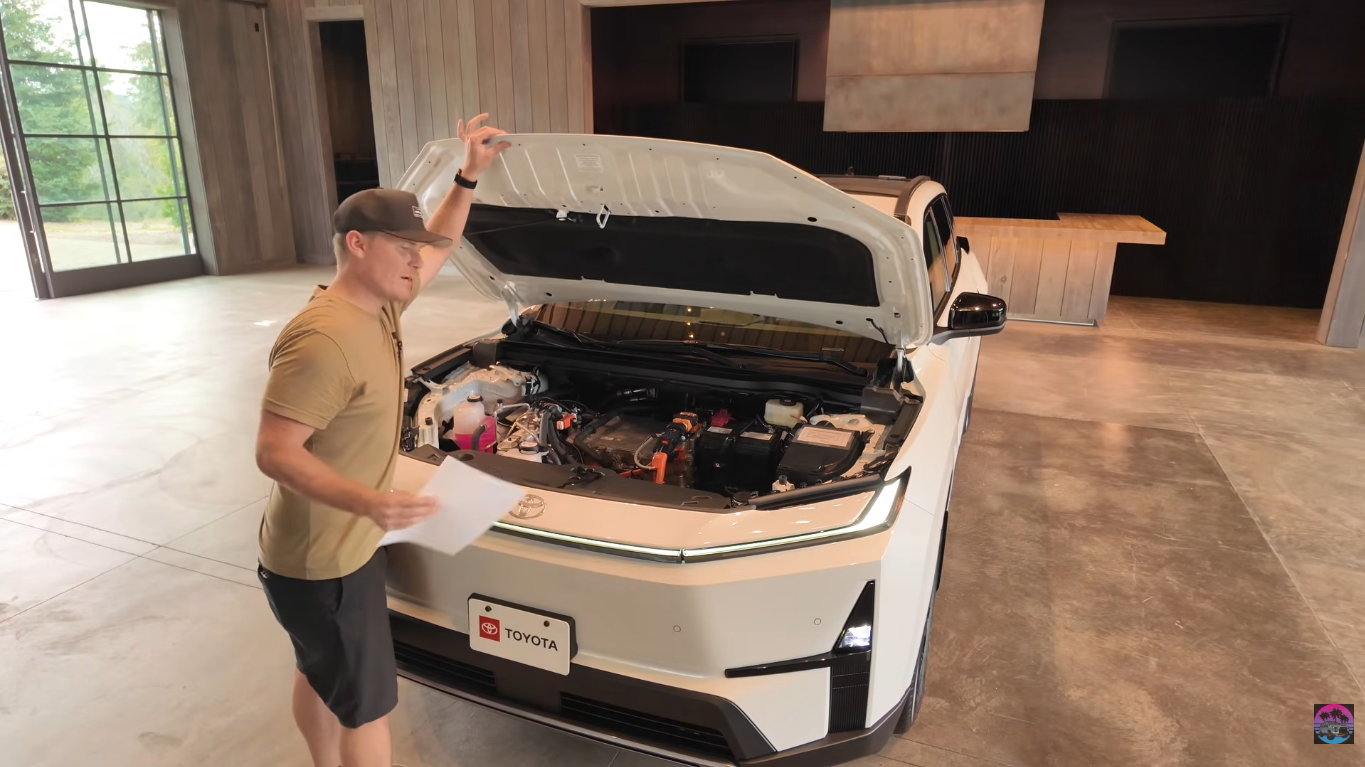
Toyota is doing something genuinely weird: launching a new electric SUV while literally every other major automaker is running away from electric vehicles. The 2027 Highlander arrives as a full EV with three rows of seating, 320 miles of range, and a sleeker design that maintains the layout that made the original Highlander popular. This is happening while Ford just canceled its three-row EV concept, Volkswagen killed its ID. Buzz after only one year in the US market, and EV demand has basically evaporated. Toyota’s message is clear: there’s an opening, and they’re stepping into it.
The context matters here because Toyota was legitimately late to the EV game
They were the hybrid king—slow to embrace full electrification while watching Tesla dominate. Now they’re suddenly accelerating EV production at the exact moment when the industry is moving in the opposite direction. But there’s logic here: the gas-powered Highlander is being phased out because the larger Grand Highlander already consumed its audience. That leaves an opening for a three-row electric option, and Toyota is filling it.
The 2027 Highlander EV actually looks impressive on specs
Seating for seven passengers, new interior design with a 14-inch touchscreen, 12.3-inch driver’s display, and Toyota’s latest safety systems. Two battery options 77 kWh and 95.8 kWh with the larger providing 320 miles of range. That’s legitimate capability. Deliveries start late 2026, pricing coming closer to launch. The vehicle gets assembled in Kentucky with battery modules from North Carolina, which means Toyota is avoiding tariff exposure by keeping production domestic.
What’s really strategic here is that Toyota is positioning this as consumer choice while competitors withdraw. Group Vice President David Christ said at launch: “We believe that battery electric vehicles are an important part of the industry, and we want to make multiple available to customers.” They went from one EV in 2025 to four in 2026. That’s intentional expansion while Ford and Volkswagen are consolidating. Toyota isn’t just making EVs they’re building a portfolio.
The bigger story is how badly other automakers misjudged the EV market
The Big Three collectively booked $52.1 billion in losses and impairments related to EV businesses. That’s not a correction. That’s a catastrophic miscalculation. They invested massive capital into EV infrastructure expecting demand to follow, but consumers pushed back because of higher costs, charging infrastructure concerns, and crucially the loss of the federal EV tax credit that made purchasing EVs economically sensible.
Ford canceled its three-row EV concept specifically because of demand and price concerns. Volkswagen abandoned its ID. Buzz strategy after only one year. Both companies looked at the market and decided three-row EVs were a losing bet. Toyota looked at the same market and decided it’s an opportunity because competitors are leaving. That’s either brilliant contrarian thinking or a massive mistake waiting to happen.
Toyota’s hybrid dominance actually makes this move more interesting
They’re the company that proved hybrids work in America. They have the trust, the brand loyalty, and the manufacturing expertise. Maybe Toyota sees something other automakers don’t about the three-row EV market. Or maybe they’re betting that if they can build it cost-effectively while competitors withdraw, they’ll own the category by default.
The real test is whether consumers will choose a Toyota EV three-row SUV when hybrids remain cheaper and more practical. Toyota is betting yes. They’re banking on the combination of improved EV capabilities, domestic production, and reduced competition creating enough demand. If it works, Toyota fills an opening left by competitors’ retreat. If it doesn’t, they’re throwing capital at a market that’s already rejected the concept.
Either way, it’s the most interesting automaker move in the EV space right now.
