


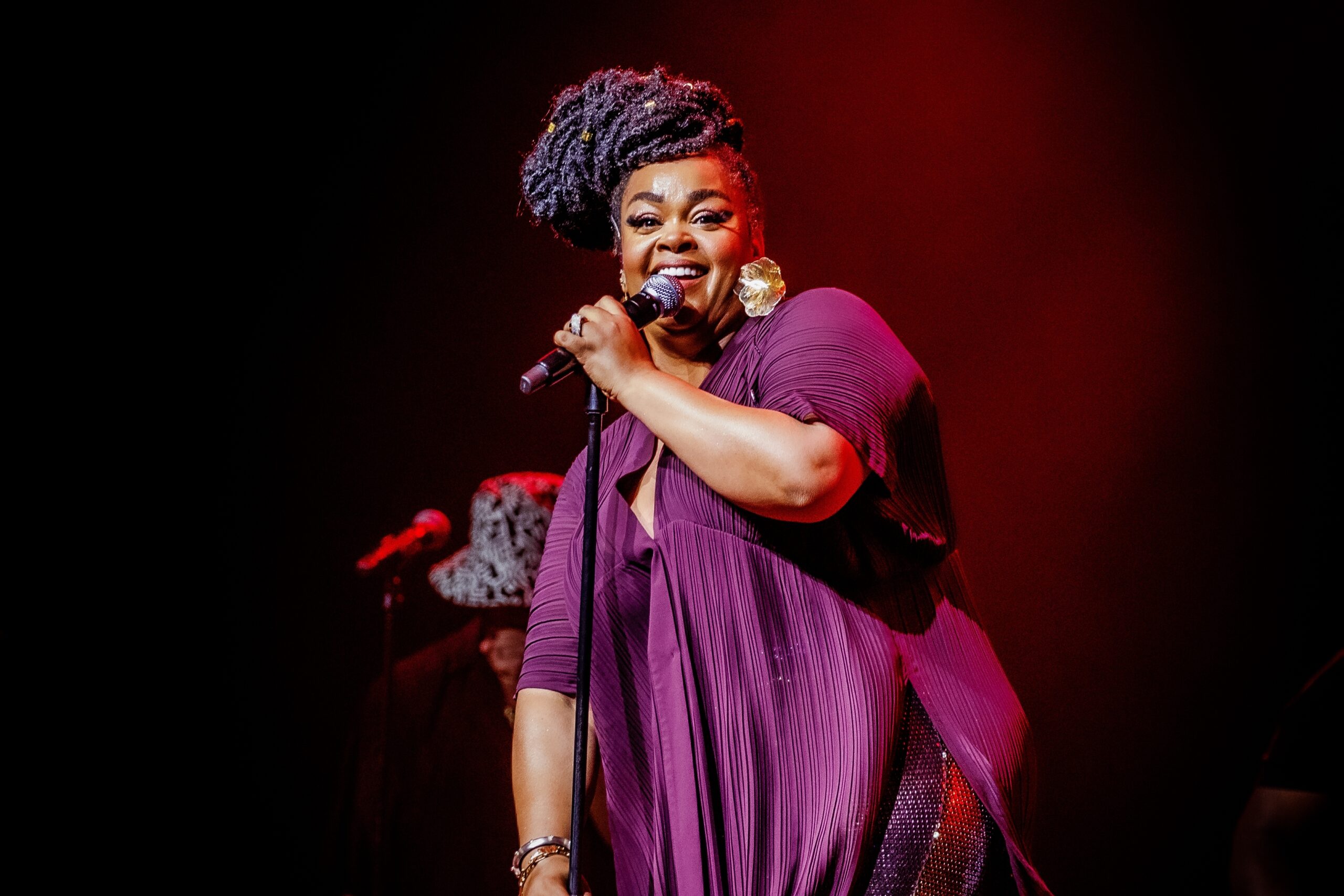
Few comebacks carry as much emotional weight as one built on a decade of quiet. Jill Scott, the Philadelphia soul singer who helped define neo-soul in the early 2000s, has released her first album in ten years, and by her own account, it is among the most personal work she has ever made. The record arrives not as a reinvention but as a deepening, a fuller expression of the woman she has been building herself into across a lifetime.
Releasing music after that long a silence comes with its own kind of vulnerability. She has described the experience of putting new work into the world as terrifying in the most loving way possible, like handing something precious to strangers and hoping they treat it with care. Early responses have given her reason to feel at peace with the decision.
The advice she never took
Long before any of that joy was possible, someone in the music industry told a young Jill Scott that she would never sell records. The conditions attached to that prediction were specific: she needed to lose weight, she needed to change her hair, she needed to make herself look more like what the industry had decided it wanted. She declined.
More than 25 million records sold later, that rejection of outside pressure has become something of a founding principle for her artistry. One of the songs on her new album addresses that experience directly, with a lyric that acknowledges the gap between who she was and what the industry considered aesthetically acceptable, without apology and without bitterness. She has spoken about the inspiration behind the track in terms of what it means to be a Black woman who chooses comfort in her own skin as an act of resistance rather than passivity. She calls it revolutionary.
Where the confidence came from
The self-possession Jill Scott carries did not arrive fully formed. It was built slowly and deliberately in a North Philadelphia neighborhood where beauty was not always easy to find. She grew up in circumstances that required a particular kind of mental toughness, sharing close quarters with instability at home and violence in the streets around her. A single summer took multiple young men she knew.
Through all of it, her mother encouraged her to keep looking for reasons to feel joy rather than reasons to give up. That instruction became a kind of compass. It pointed her toward music, toward writing, toward the stage, and eventually toward a debut album that announced her as one of the most distinctive voices of her generation. That record went double platinum and produced a song that remains one of the most beloved celebrations of Philadelphia ever recorded.
What the new music is saying
Her new album carries that same spirit forward, older and fuller for everything that has happened in between. She has spoken about the project as an extension of a personal philosophy she has held since childhood: that everyone carries their own particular form of magic and that the work of a lifetime is learning to trust it.
The decade away from the album cycle was not absence. It was accumulation. Every experience, every quiet year, every moment of doubt and every moment of clarity found its way into the record. The result is an artist who sounds less like someone trying to reclaim something and more like someone who never lost it at all.
For a woman who was once told the world was not ready for her exactly as she was, that is perhaps the most satisfying thing of all.
