


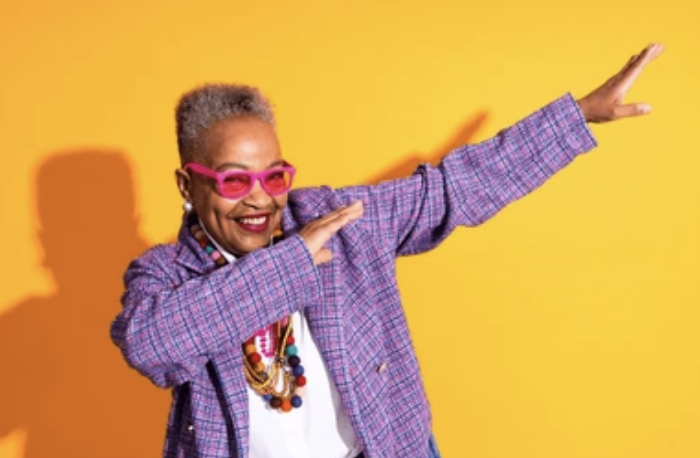
Black joy is not a new concept. It has existed as long as Black people have existed in America, which is to say it has always been practiced in deliberate opposition to circumstances designed to make it difficult. What is different now is that Black joy has graduated from a personal survival strategy into an organized, visible, and explicitly political cultural movement that is showing up in art, fashion, community organizing, social media, and the language that Black Americans are using to describe their aspirations for their own lives.
The cultural data emerging this year is capturing something that feels both ancient and urgently current. In a period marked by policy shifts affecting voting rights, education funding, affirmative action, and social safety nets, Black Americans across age groups are responding not with despair but with a collective, defiant, and extraordinarily visible insistence on thriving. Five reasons explain why Black joy is not simply a mood but a movement.
Black joy as political resistance
The decision to center joy in a hostile political environment is not passive or naive. It is strategic. Research on psychological resilience in communities under systemic stress consistently finds that the deliberate cultivation of positive collective identity is one of the most effective buffers against the health and social consequences of chronic marginalization. Black joy functions as what psychologists call a community protective factor, which is a shared resource that strengthens the entire group’s capacity to navigate adversity without surrendering self-concept or aspiration.
The visibility of Black joy as a political act is more explicit than previous iterations. Community organizers, cultural creators, and public intellectuals are framing the insistence on celebration, creativity, and communal thriving as a direct response to systems that benefit from Black exhaustion, despair, and disengagement. Refusing those emotional outcomes is, in this framing, one of the most consequential things a community can choose.
Black joy and the creative economy it is building
The Black joy movement is generating economic activity at a scale that makes it a cultural industry rather than simply a cultural mood. Black-owned businesses centered on community celebration, cultural expression, and joy-affirming experiences, including event production, food culture, fashion, music, and wellness spaces, are reporting growth rates that reflect both the community’s investment in these experiences and the broader cultural appetite for what Black creative expression produces.
The deliberate decision of Black consumers to direct spending toward Black joy-affirming spaces and creators is functioning as a form of economic self-determination that researchers studying the Black wealth gap are now tracking as a meaningful variable in community economic development conversations.
Black joy and mental health reclamation
The mental health dimension of the Black joy movement is directly connected to the broader conversation about Black wellness. Historically, the dominant narrative around Black mental health has centered pathology, trauma, and deficits. The Black joy framework explicitly centers thriving, capacity, and the full emotional range of Black human experience as the foundation for mental health conversation rather than trauma as the organizing principle.
Mental health practitioners working in Black communities are reporting that the cultural permission granted by the Black joy movement is reducing the stigma barrier to mental health engagement in ways that clinical messaging alone has not consistently achieved.
Black joy and the next generation claiming it loudest
The most energetic carriers of the Black joy movement are Black Gen Z adults and younger millennials who have grown up with both unprecedented exposure to systemic racism documentation and unprecedented access to Black excellence, Black creativity, and Black community on their own terms through digital platforms. This generation is refusing the false choice between awareness of injustice and the experience of joy, insisting instead that both are simultaneously possible and that thriving in the face of difficulty is its own form of power.
Black joy and community infrastructure it is demanding
The Black joy movement is producing concrete demands alongside its cultural expression. Access to parks, safe public spaces, cultural institutions, arts funding, and community gathering infrastructure in Black neighborhoods is being framed through the lens of joy infrastructure rather than simply social services, a reframing that is shifting both advocacy language and municipal budget conversations in cities with organized Black joy-centered community groups.
