


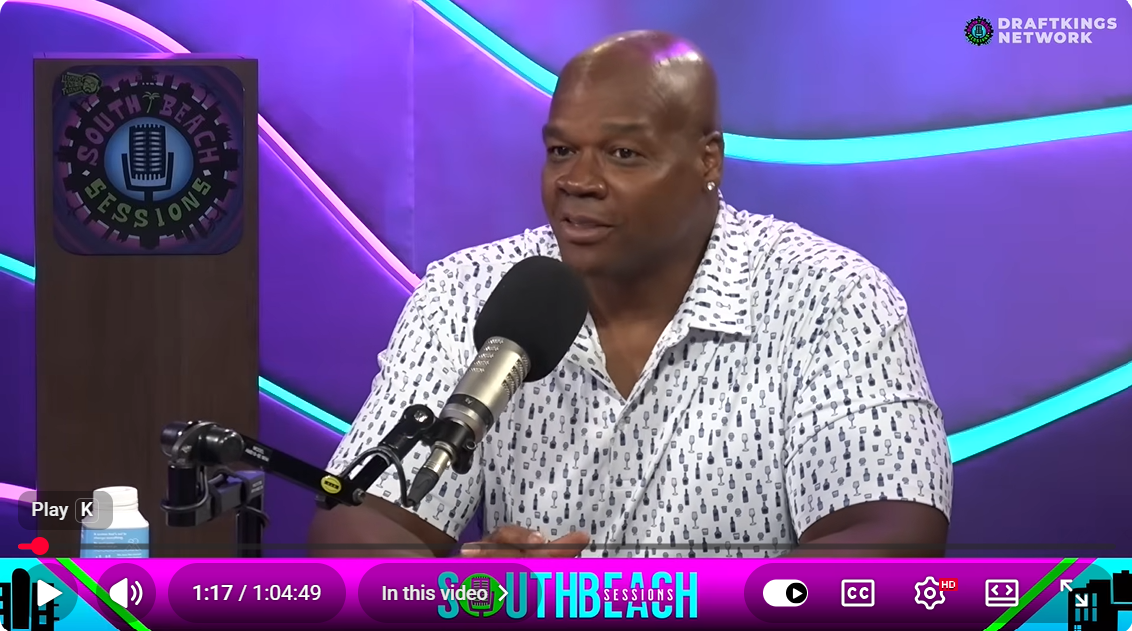
Frank Thomas, the two-time American League MVP and Hall of Famer who spent 16 of his 19 major league seasons with the Chicago White Sox, filed a lawsuit on March 19 in Cook County, Illinois, against the White Sox, Nike and Fanatics. The suit alleges that all three defendants profited from the sale of merchandise bearing his name and likeness without his knowledge or compensation.
At the center of the complaint are the team’s City Connect 2.0 jerseys, which went on sale around April 28, 2025, and feature Thomas’ No. 35 on the front along with his name and number on the back, alongside White Sox trademarks, team logos and Nike branding. Thomas says he received no payment or other consideration from any of the three defendants in connection with those sales.
The suit seeks damages in excess of $50,000 and demands a jury trial. A case management hearing is scheduled for May 21 in a Cook County Circuit Court courtroom.
The legal argument
Thomas is pursuing the case under the Illinois Right of Publicity Act, a state law that prohibits companies from using an individual’s name or likeness for commercial purposes without their consent. His legal team at Corboy & Demetrio argues that the defendants were unjustly enriched through jersey sales that relied directly on Thomas’ identity and legacy without any agreement in place to compensate him.
Thomas’ attorneys have also indicated they may seek to add additional defendants as the investigation into the scope of those sales continues. The White Sox declined to comment on active litigation. Nike and Fanatics also declined to provide statements, and the MLB Players Association could not be reached for comment.
A complicated history with the franchise
The lawsuit arrives against a backdrop of longstanding tension between Thomas and his former team. In 2002, after Thomas failed to make the All-Star roster, finish in the top 10 of MVP voting or earn a Silver Slugger, the White Sox and then-general manager Ken Williams invoked a diminished skills clause in his contract. The move reduced his base salary to $250,000 and deferred more than $10 million over a decade without interest.
In 2006, Thomas filed a separate lawsuit against two White Sox team doctors, alleging that a misdiagnosis of a broken foot in 2004 worsened his injury and contributed to his release from the team in 2005. That case was settled in 2011, with the White Sox not named as a party.
More recently, Thomas responded publicly after the White Sox posted a Black History Month tribute on social media that referenced him only once and only by name. He wrote that the player who held all of the franchise’s offensive records and generated significant revenue for the organization should not be treated as an afterthought.
Thomas’ place in franchise history
Thomas, known throughout his career as ‘The Big Hurt,’ was inducted into the Baseball Hall of Fame in 2014 after hitting 521 home runs across a career that ran from 1990 to 2008. He remains the White Sox franchise leader in offensive WAR, on-base percentage, slugging percentage, OPS, runs scored, doubles, home runs, runs batted in and walks, among other statistical categories.
The current lawsuit adds a legal dimension to what has been a complicated relationship between one of the most decorated players in franchise history and the organization he defined for more than a decade.
