


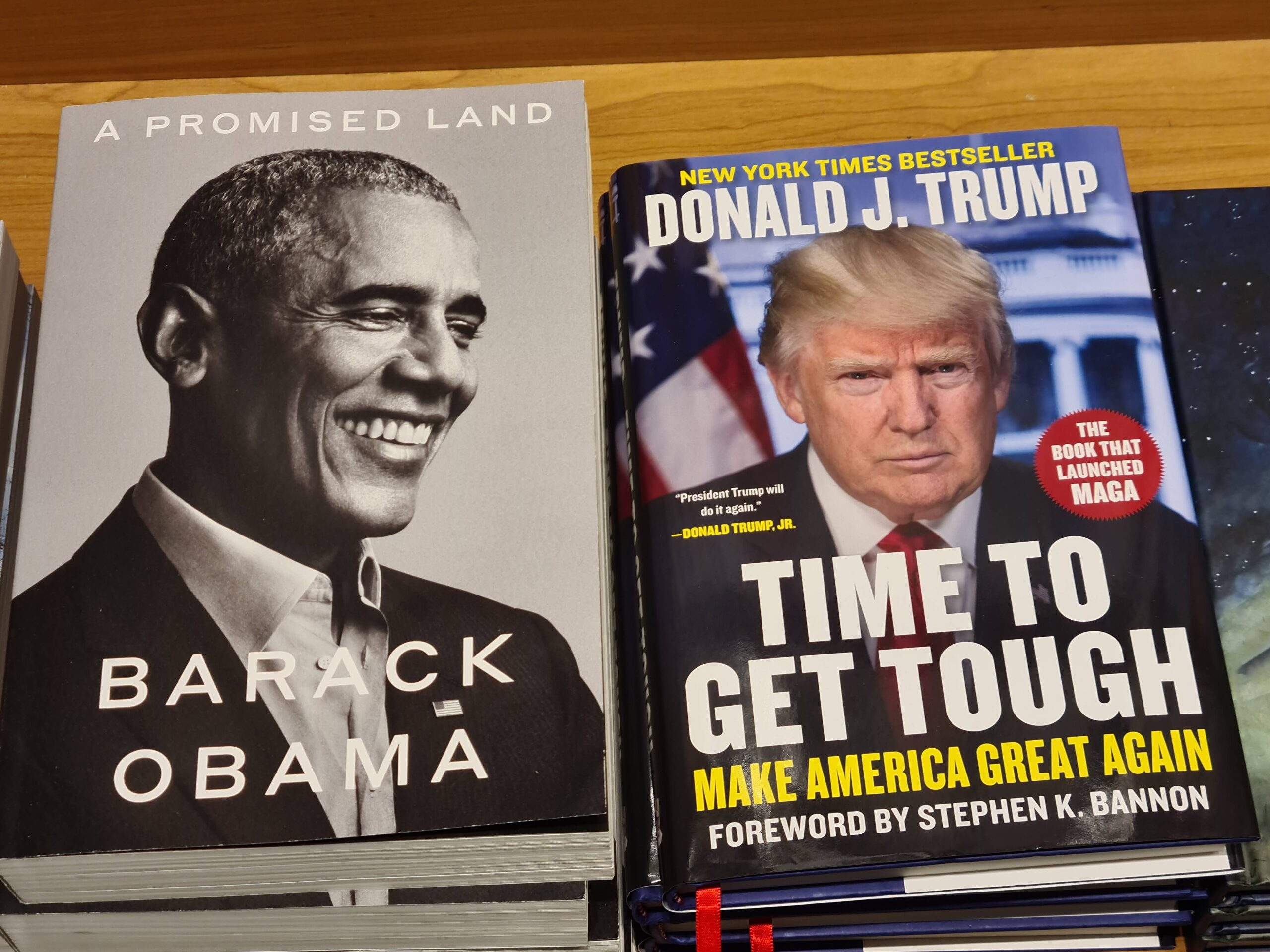
Joe Rogan used a recent episode of his podcast to make a claim that is likely to generate pushback from both sides of the immigration debate. Sitting down with Bill Thompson, a former Chief Warrant Officer in the United States Army, Rogan argued that Barack Obama and Hillary Clinton each took harder stances on immigration enforcement than Donald Trump has, despite Trump’s reputation as the defining political figure of the border crackdown era.
The conversation drew on a specific moment from Clinton’s 2007 presidential campaign, in which she laid out a position that included deportation for anyone convicted of a crime, mandatory tax and fine payments for undocumented immigrants already in the country, English language requirements and a structured path that demanded both productivity and accountability. Rogan’s point was that the substance of that position, stripped of its political context, would read as a firmly right-wing stance by the standards of 2026. The crowd that heard it in 2007 reportedly responded with enthusiasm.
Deportation numbers and inconvenient history
Thompson reinforced Rogan’s argument by pointing to the deportation data from the Obama administration, noting that Obama removed more people from the country during his presidency than Trump did during his first term. That figure has been a recurring reference point in immigration debates for years, often cited to complicate the narrative that aggressive enforcement is exclusively a Republican project.
The broader argument Rogan was making was not that Obama was a conservative on immigration but that the political framing around the issue has shifted so dramatically that positions once held comfortably by mainstream Democrats would now be treated as extreme. The 2007 Clinton remarks, in his reading, illustrated that gap more clearly than almost anything else.
The exchange reflects a wider pattern in how Rogan engages with political history on his platform, often reaching back into the recent past to challenge the assumptions his audience brings to current debates. His willingness to draw equivalences across party lines has made him a genuinely difficult figure to categorize politically, and moments like this one are part of why.
A separate critique aimed closer to home
The immigration discussion was not the only pointed commentary in the episode. Rogan also turned his attention to the MAGA movement itself, expressing frustration with what he described as the cultural texture of a segment of its base. His critique was less about policy than about personality, suggesting that the movement had attracted a certain type of follower whose attachment to it was more about identity and belonging than ideas.
It was a notable moment coming from someone who has been broadly supportive of Trump in the past and whose audience skews heavily toward the political right. Rogan’s willingness to criticize the movement even while engaging with its core concerns has become something of a trademark, and Thursday’s episode added another entry to that pattern.
The combination of the Obama immigration argument and the MAGA critique in a single episode captures something of the contradictory political space Rogan continues to occupy. He is not easily claimed by either side, which is precisely what makes episodes like this one resonate well beyond his existing audience and land in broader political conversations almost immediately after release.
