


What was supposed to be a celebratory moment for fans of TLC has become something considerably more complicated. The group’s upcoming reunion tour, set to feature Salt-N-Pepa and En Vogue, is now being overshadowed by a political controversy surrounding TLC member Rozonda Thomas, known professionally as Chilli, after public records revealed donations she made in 2024 to political action committees tied to Donald Trump and aligned Republican causes.
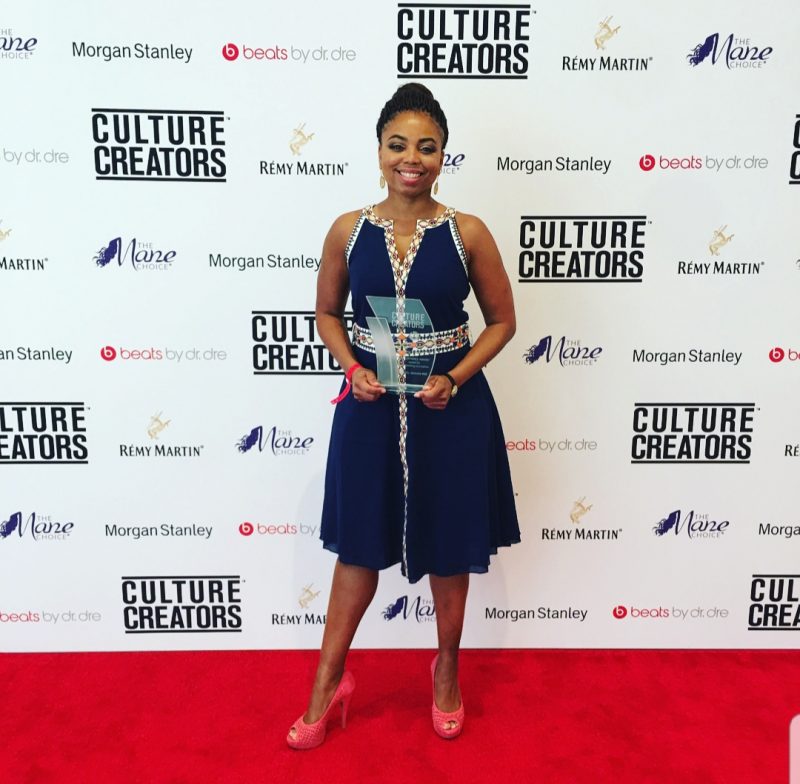
Jemele Hill, the sports and politics commentator, weighed in on the situation in a pointed video post, framing the controversy not just as a matter of personal politics but as a potentially serious business miscalculation. Her central argument was straightforward: the core of TLC’s fan base is Black women, and Black women voted against Trump at a rate of roughly 92 percent in the last election. That gap between the artist and her audience, Hill suggested, is not a small one to paper over.
Thomas responds but the backlash holds
Thomas moved quickly to address the fallout after the donation records surfaced, insisting she is not aligned with the MAGA movement and does not support policies she described as harmful to the American public. She said she believed the contributions were directed toward causes related to combating human trafficking and supporting veterans, and that she failed to examine where the money was actually going before giving it.
She also addressed the separate but related criticism that she had reshared a social media post promoting a conspiracy theory about former First Lady Michelle Obama, saying she holds Obama in the highest regard and would never intentionally disrespect her or any woman.
The clarifications have not fully quieted the criticism. Fans and public figures alike have continued to express disappointment, with several voices in the entertainment and political spaces drawing a direct line between her actions and a perceived disregard for the community most responsible for TLC’s decades-long relevance.
A fan base that cannot be taken for granted
Hill’s commentary went beyond the political dimension of the situation and focused on what she described as an alignment problem with significant financial consequences. With a major tour on the way and ticket sales dependent on goodwill from exactly the demographic Thomas has now alienated, Hill argued the timing could not have been worse.
She noted that Trump’s approval numbers remain deeply underwater across a wide range of issues, suggesting that associating with his political brand carries reputational costs that go well beyond any single voter bloc. The implication of her argument was that even fans who do not follow politics closely are unlikely to be indifferent to a story this publicly charged.
The reunion tour concept carries its own emotional weight for fans who grew up with TLC’s music in the 1990s. CrazySexyCool, the group’s landmark 1994 album, remains one of the best-selling records in that era, and the nostalgia surrounding a joint tour with Salt-N-Pepa and En Vogue speaks to a specific generational experience. For many of those fans, the revelation about Thomas’s donations has introduced a note of disappointment into something that was meant to feel like a celebration.
What comes next
Thomas has not announced any changes to her tour plans, and there has been no indication that the other artists involved have addressed the controversy publicly. Whether the backlash translates into meaningful impact on ticket sales or public perception as the tour approaches remains to be seen.
Hill’s broader point, that artists whose careers were built on the loyalty of Black women cannot afford to be careless with that relationship, reflects a wider conversation happening in entertainment and culture about accountability, authenticity, and who ultimately holds financial power in the music industry.
