


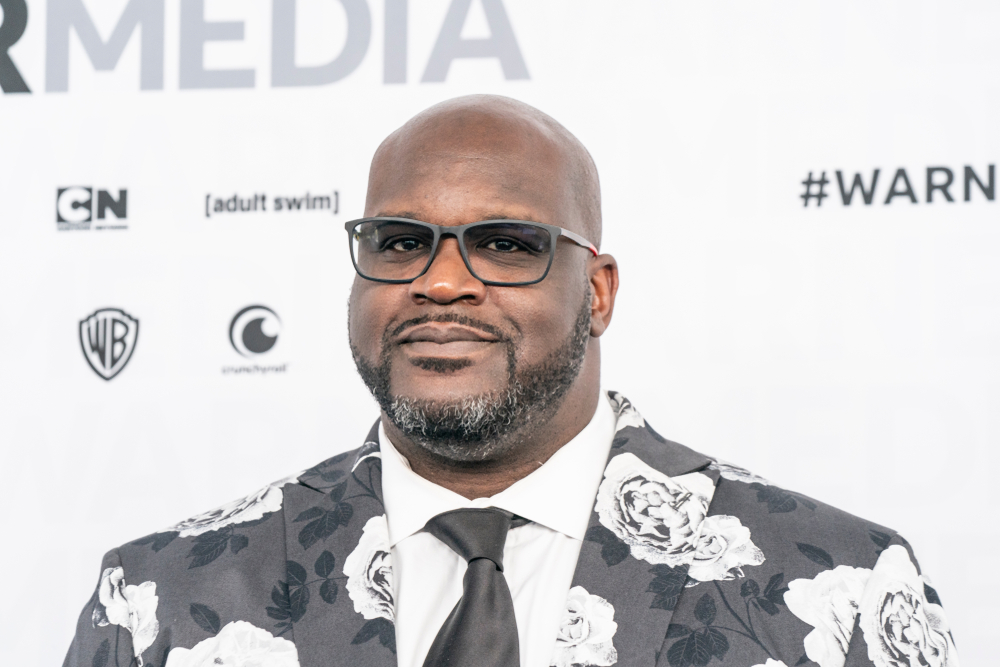
Shaquille O’Neal’s life after professional basketball has been anything but quiet. While most retired athletes gradually step away from the public eye, O’Neal moved in the opposite direction, building a business portfolio that at its peak included one of the largest individual franchise stakes in fast food history. Then, at the height of that success, he sold it all.
At one point O’Neal owned approximately 155 Five Guys locations, representing roughly 10 percent of the entire chain. The operation was built with experienced partners who handled day-to-day management, and by his own account the business performed well. But concentration in a single asset, even a profitable one, carried risk he was unwilling to ignore. By 2016 he had sold every location, freeing up capital and clearing the path for what came next.
Why he walked away from burgers
O’Neal has been candid about the thinking behind the exit. He entered the burger business by partnering with a seasoned operator who knew the industry well, a deliberate move by someone who acknowledged he had no background in food service at the time. When a buyer came forward with a strong offer, he did not hesitate. The decision was not about a struggling asset. It was about protecting the larger picture and not allowing any single investment to carry too much weight in his overall strategy.
The message he has consistently directed at younger athletes reflects the same philosophy. Money earned during a playing career has a fixed window, and the decisions made during that window determine what comes after. Saving, investing and diversifying are not optional habits. They are the foundation of whatever comes next.
Big Chicken and the shift to brand building
The capital unlocked by the Five Guys sale went into something more personal. O’Neal launched Big Chicken in Las Vegas, shifting his role from franchise owner to brand founder. The concept was built from the start with franchising as part of the model, meaning he was no longer operating within someone else’s system but creating one of his own.
The move marked a meaningful evolution in how he approached business. Owning franchises generates income. Building a brand generates equity, influence and a long-term asset that can grow independently of any single location or operator.
A slice of Papa John’s
Around the same time, O’Neal turned his attention to pizza. He had a genuine connection to the brand from his college years and used that familiarity as the foundation for a real business relationship. He reached out to Papa John’s leadership with a proposal to join as a board member, brand ambassador and franchise owner. By 2019 he held stakes in nine Atlanta-area locations and had put his imprint on the brand in visible ways, including a signature pizza bearing his name and in-store touches tied to his personality.
The Papa John’s involvement followed the same pattern as everything before it. A personal connection, experienced operators, a diversified stake and a clear sense of what the investment was for.
Always moving to what comes next
O’Neal’s portfolio has never stayed still. Car washes, fitness centers and earlier food concepts have all been part of a strategy that keeps no single industry at the center. His most recent move involves a partnership with a retail concept built around robotics, drones and interactive technology, an area that aligns with what he describes as a genuine passion for innovation rather than a calculated brand play.
The throughline across every deal is the same. Build with the right people, stay diversified, know when the timing is right to move on and never let one outcome carry the entire weight of the plan.
