


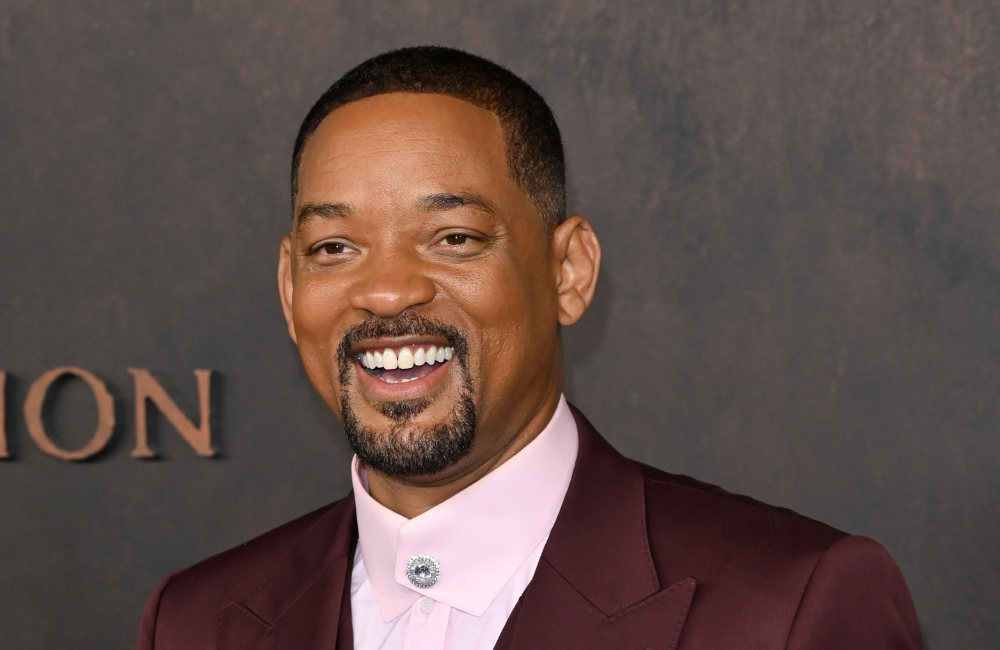
Will Smith’s journey to Hollywood stardom was more deliberate than it appeared. After building a massive following on The Fresh Prince of Bel-Air, where he leaned into a version of himself that audiences already loved, he made a conscious pivot toward serious film work. Small roles led to a calculated choice to headline the quiet drama Six Degrees of Separation, a move designed to signal that he was more than a rapper dabbling in acting.
But it was Michael Bay’s 1995 buddy cop film Bad Boys that truly launched him into the upper tier of Hollywood. The film, shot on a modest $19 million budget, earned $141 million worldwide and introduced the world to a new kind of Will Smith, one who could carry a blockbuster on charisma alone.
Will Smith almost cut the scene that defined him
What most people do not know is that the sequence most responsible for cementing his star power almost never made it to the screen the way Bay intended. During production, a dispute arose between the actor and the first-time feature director over a chase scene set on the streets of Miami. In the moment, his character runs through the action with his shirt unbuttoned and flying open, chest exposed, gun in hand.
The image felt like it leaned too far into familiar territory, the kind of moment that could come across as theatrical rather than authentic. Bay disagreed. His argument was straightforward and hard to dispute once the actor actually watched the footage. The scene, Bay insisted, would make him look like a movie star.
He conceded. And Bay was right.
Learning what a single image can do
That exchange with Bay planted a seed that carried through the rest of his career. Watching the footage back and then seeing audiences respond to the finished film, the actor began to understand how much weight a single well-crafted image could carry. When Bad Boys opened and women in theaters reacted visibly to that scene, something had clearly shifted in how the world saw him. The boy-next-door persona had given way to something more commanding.
Bay’s gift in those early years was an instinct for manufacturing cool. Fast cuts, slow motion at precisely the right moment, and a signature rotating camera shot that wrapped around the action like a spotlight all came together in that chase sequence to turn a moment almost argued away into something audiences still remember decades later.
Will Smith and what Bad Boys built
The success of Bad Boys did more than validate one scene. It launched a franchise that has since grown into a billion-dollar property spanning four films, with Will Smith and Martin Lawrence at its center throughout. It also established Bay as a director capable of turning a relatively contained action film into a cultural event, setting the stage for the larger-scale spectacles that would follow throughout his career.
The lesson absorbed on that Miami set shaped how the work evolved in the years that followed. A string of blockbusters built on exactly the kind of magnetic screen presence Bay had identified and refused to let go. Independence Day, Men in Black, and Ali all drew from the same well, the confident, physical, effortlessly watchable quality that a shirtless run through the streets of Miami first announced to the world.
It remains one of the more quietly significant arguments in modern Hollywood history, one that the actor lost and the audience won.
