


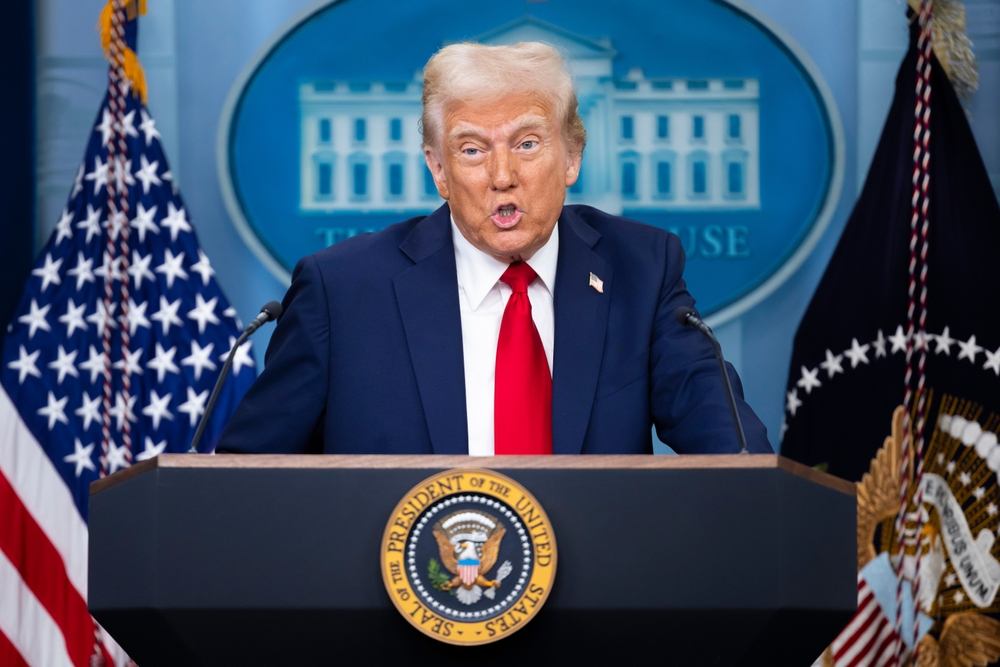
Trump took direct aim at late-night television on Monday, calling for ABC and its parent company Disney to fire Jimmy Kimmel following a parody segment that aired in the days leading up to the White House Correspondents’ Dinner. The president described the segment as a call to violence and made clear he wanted immediate consequences for the comedian.
The segment in question included a joke directed at First Lady Melania Trump, in which Kimmel referred to her as an expectant widow. The line landed poorly in the White House and triggered a swift and forceful response from the president, who took to Truth Social to air his grievances and rally supporters who shared his outrage.
Trump calls for Kimmel’s removal
In his online post, Trump urged Disney and ABC to take action against Kimmel, framing the segment not as comedy but as something far more sinister given the political climate. He thanked those who had expressed similar disapproval of the material and called the comments unacceptable.
Melania Trump also responded publicly, describing Kimmel as a coward in her own condemnation of the remarks. The First Lady’s reaction added another layer to what had already become a rapidly escalating situation between the White House and one of television’s most prominent late-night voices.
Trump’s call lands in a complicated moment
The timing of Kimmel’s segment made the fallout considerably more fraught. Just days after the parody aired, an armed man opened fire near the White House Correspondents’ Dinner on Saturday, April 25. The suspect, Cole Thomas Allen, had managed to bring multiple weapons into the vicinity of the event before being apprehended. No attendees were reported injured, but the incident rattled Washington and put the question of political rhetoric and its consequences front and center in public conversation.
Trump and others who criticized Kimmel pointed to the proximity of the joke and the shooting as reason enough to treat the segment with particular seriousness, though Kimmel and his supporters have pushed back on any suggestion that a comedy bit could be linked to real-world violence.
Trump versus Kimmel and a pattern of conflict
This is not the first time Kimmel has found himself at the center of a politically charged storm. Last year, he faced significant backlash over comments made on his program in the aftermath of the Charlie Kirk shooting. ABC suspended him temporarily at the time, and during that hiatus reports circulated that Kimmel was weighing whether to part ways with the network permanently. His show returned to air shortly after the suspension ended, and Kimmel continued hosting without making any formal announcement about his future with ABC.
In the wake of that earlier suspension, a number of fellow comedians publicly came to Kimmel’s defense, framing the situation as an attack on the right to satirize public figures. The dynamic playing out now echoes that moment closely, with the added pressure of a sitting president explicitly calling for a television host to lose his job.
Whether ABC takes any action remains to be seen. The network has not yet responded publicly to Trump’s demand. For Kimmel, who has navigated controversy before and returned to his desk each time, the question is whether this moment carries more weight than the ones that came before it.
