


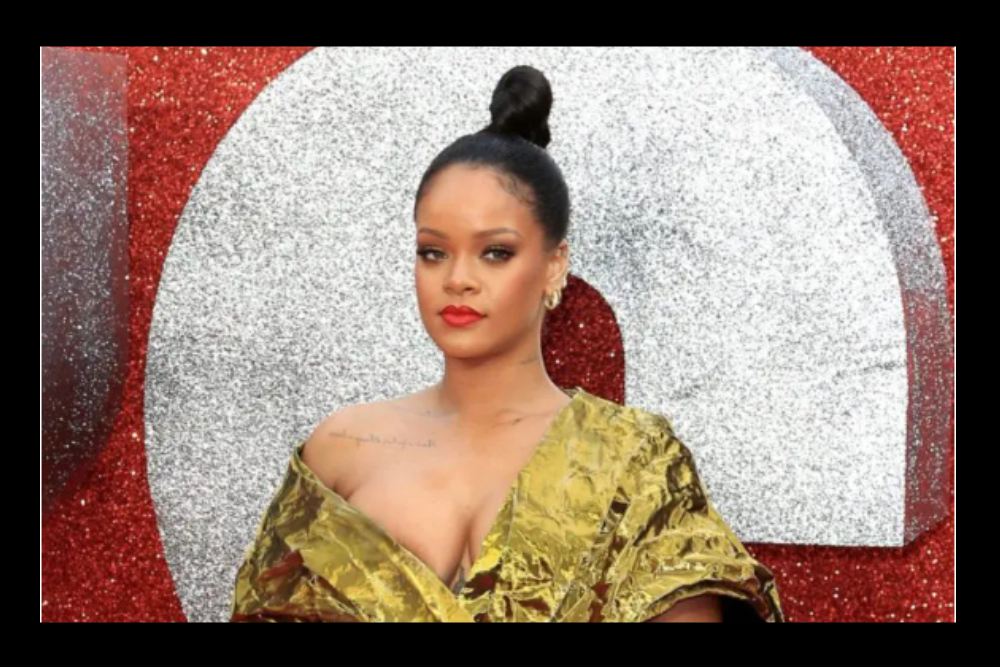
It started with a post-Met Gala video. On Thursday, Rihanna shared a clip on social media set to Who’s Dat Girl by Nigerian artist Ayra Starr. Under ordinary circumstances, a background music choice would barely register. This was not ordinary circumstances.
Days earlier, a clip from the 2026 Met Gala had circulated widely showing South African singer Tyla standing nearby while Rihanna appeared engaged in a separate conversation. Online, the moment was quickly reframed as a snub. By the time Rihanna’s video landed with Ayra Starr’s song playing behind it, fans had already decided what it meant.
What the internet made of it
Reactions split along predictable lines. Ayra Starr supporters took the song choice as a statement, a deliberate nod to one artist over another. One user on X wrote that Rihanna using Who’s Dat Girl was proof of which woman she recognized. Others leaned harder into the narrative, framing the post as confirmation that Tyla had been dismissed twice in one week.
Critics of that reading pushed back. Some called the reaction overblown, pointing out that background audio on a casual video rarely carries the editorial weight fans were assigning it. Others were more direct, calling the backlash toward Tyla unwarranted and the whole episode manufactured.
The debate did not stay contained to one platform. It spread across X, TikTok, and Instagram, pulling in fans from Nigeria and South Africa in ways that reflected a longer-running friction between supporters of both artists. That rivalry has surfaced repeatedly over the past few years, shaped by comparisons around streaming numbers, award recognition, and each singer’s standing within the broader Afrobeats and Amapiano conversations globally.
View this post on Instagram
What both artists have actually said
Neither Tyla nor Ayra Starr has endorsed the narrative that fans built around them.
Tyla addressed the Met Gala moment directly on TikTok, saying she chose not to approach Rihanna because the singer appeared occupied. She described stepping back deliberately rather than interrupting. She also recalled their first meeting, noting that Rihanna had greeted her warmly before excusing herself to take a call. Tyla said the exchange was brief, left her feeling a little awkward, and was not an indication of anything more.
Ayra Starr, for her part, has been consistent on this topic over time. In a previous interview, she described Tyla as a friend and said she found it tiresome to watch women in music constantly positioned as competitors. That statement predates the current wave of attention but has circulated again as fans revisit the record.
A rivalry with no participants
What makes this particular episode worth noting is the gap between what fans are debating and what the people at the center of it have said. Tyla has been clear about her affection for Rihanna. Ayra Starr has been clear about her respect for Tyla. Rihanna, for her part, has not said anything on the subject beyond posting a video.
That absence of actual conflict has not slowed anything down. If anything, it seems to have given the debate more room to run. When the artists themselves keep declining to play the roles assigned to them, fans tend to fill in the gaps with whatever fits the story they already want to tell.
The song choice may have been intentional. It may have been entirely incidental. Rihanna has not said. And in that silence, a cross-continental argument has found plenty of space to breathe.
